Saturday Species Spotlight: The Zebra Finch, a Flock Bird Built for Flight
Zebra finches are flock birds that live for flight, not for hands. If you set one up like a budgie, with a tall cage, toys, and daily handling, you miss most of what makes it thrive. Here’s what the wild bird tells us about the captive one.
Who the zebra finch is
The Australian Museum calls it Australia’s most common and widespread grassfinch. It’s 10–12 cm long and grey, with a black “tear drop” under each red eye and zebra barring on the tail. Only the males have the orange cheek patches and the song. A note for the keen: BirdLife International and the International Ornithologists’ Union now list the Australian bird (Taeniopygia castanotis) as a separate species from the Sunda zebra finch of Timor.
What the wild bird tells us
In Australia’s drier country, zebra finches live year-round in flocks that can top 100 birds. They feed on the ground on fallen grass seed, and they take insects when raising chicks. Pairs bond for life. Farm dams have actually expanded their range because the birds need to drink regularly.
They’re also built to breed fast. They’re sexually active 70–80 days after hatching, one of the fastest-maturing birds on record. Field ecologist Richard Zann found that wild breeding follows rain, typically by a month or more, while the grass sets seed.
What that means at home
- Never one alone. Keep a pair or a small group. The Animal Humane Society suggests same-sex groups if you’re not breeding.
- Length beats height. Finches exercise by flying back and forth, so keep an open flight path. Sources disagree on the minimum for a pair. LafeberVet says at least 14 inches long, the AHS says 24 inches wide, and Sisters Veterinary Clinic calls 30 × 18 × 18 inches a good size. Treat the smallest as a floor and buy the longest cage you can fit. Groups need a flight cage.
- Narrow bars. LafeberVet’s limit is ½ inch, and the AHS asks for ⅜ inch.
- Admire, don’t handle. Sisters Veterinary Clinic notes that finches don’t crave human interaction and are calmer in a quiet corner.
- No nest box unless you mean it. LafeberVet lists zebra finches as a species whose clutches should be limited. Talk to an avian vet before you breed.
- Fresh water daily, plus a bath. See our heating-season bath tip.
The weekly care guide
Get it right for your animal, every week
One email a week: new care guides, species deep-dives, and the safety answers keepers search for, written by our specialists. No spam. Unsubscribe anytime.
Wear the obsession
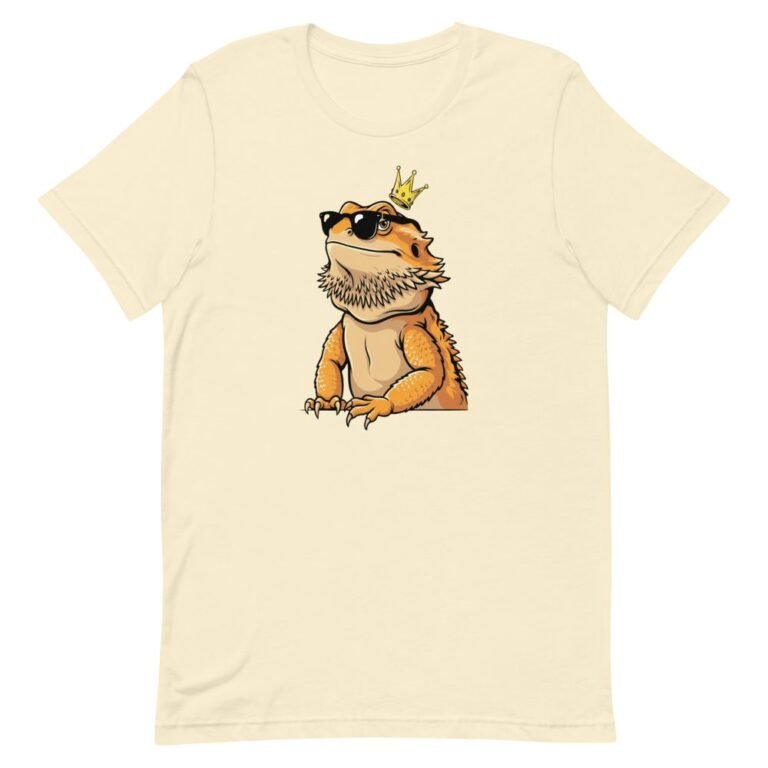
Bearded Dragon Crown Sunglasses King T-Shirt
Price range: $24.99 through $26.99
Shop this designIs a zebra finch right for you?
LafeberVet gives a mean lifespan of 4–7 years, and the AHS says up to 10. They suit you if you’d rather watch a lively little flock than hold a bird. The grit question is covered in our grit myth post. If a finch fluffs up, bobs its tail as it breathes, or sits on the cage floor, see an avian vet promptly. Small birds hide illness well.
Before you go
Keep learning your animal
We publish a new guide every day. The best of them land in one short weekly email, so you never miss the one about your species.
Emily Chen is a passionate avian specialist with over a decade of experience in nurturing and training birds of all feathers. From the melodious canaries to the intelligent parrots, Emily’s expertise spans a wide range of avian care, including diet, habitat setup, and behavioral training.