Grey Parrot Care: The Complete African Grey Guide
If you’re reading up on grey parrot care before bringing one home — or because the grey already on your shoulder has you second-guessing everything the pet store told you — you’re doing the most important thing a grey keeper can do. African greys are among the most cognitively sophisticated animals anyone keeps in a living room, and almost everything that goes wrong with them goes wrong slowly, quietly, and because of a husbandry detail nobody mentioned.
This guide covers the whole picture: the honest commitment, housing, the calcium problem that defines grey nutrition, light and sleep, enrichment and talking, the health issues worth knowing, and the legal and ethical side of acquiring one — a part most care guides skip entirely. Where the expert sources genuinely disagree, we say so rather than picking the number that sounds most confident.
What grey parrot care actually asks of you
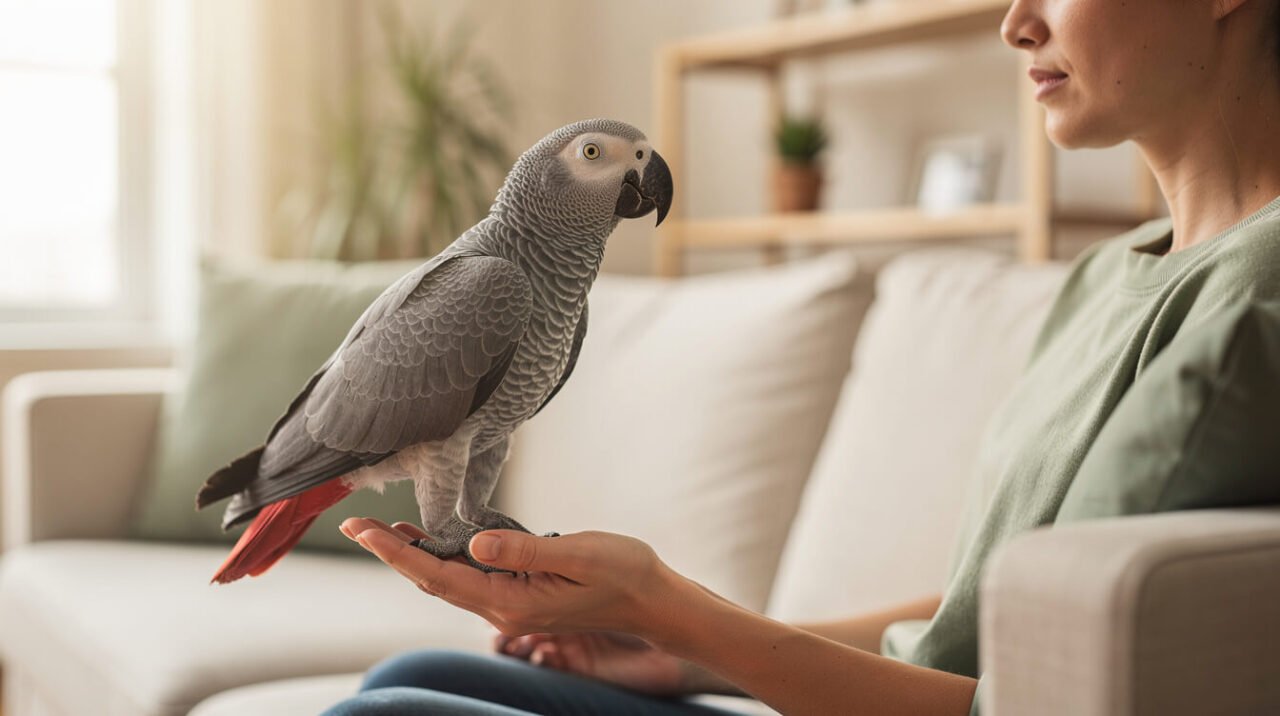
Grey parrot care is a decades-long relationship. Most avian veterinary sources put a well-cared-for grey’s life expectancy in the 40 to 60 year range, and you’ll see higher figures quoted — one vet practice we reviewed says “up to 80.” Treat the upper numbers as outliers rather than planning figures, but plan for a bird that will outlive the car, the mortgage, and possibly the house. If you’re in your thirties, you’re choosing a companion who may still be here in your eighties.
Day to day, a grey needs at least three to four hours of supervised time outside the cage, and exotic practices often push that to four to six. That isn’t four hours of you staring at the bird — it’s the bird being part of the room while you cook, work, and talk. Greys are flock animals who evolved in constant social contact, and a grey alone in a cage for ten hours a day is a grey heading toward feather-destructive behavior.
Congo or Timneh?
There are two species under the “African grey” umbrella, and they are genuinely different birds:
- Congo African grey (Psittacus erithacus) — the one most people picture. Larger, pale silver-grey with fine scalloped feathering, a bare white facial patch, a black beak, and a bright scarlet tail. Adults commonly run around 400–550 grams.
- Timneh African grey (Psittacus timneh) — smaller, darker charcoal-grey, with a maroon rather than red tail and a horn-colored upper beak. Now recognized by most authorities as a separate species.
Keepers often describe Timnehs as slightly steadier and quicker to start talking, and Congos as more prone to nervousness around change. That’s keeper consensus rather than hard science, so hold it loosely — individual temperament varies far more than species does.
The honest cost picture
Nobody likes this part, but skipping it is how birds end up rehomed. Expect a correctly sized cage in the several-hundred-dollar range and up (our complete parrot cage guide breaks down what the money buys). Add a continuous toy budget — destructible toys are supposed to be destroyed — plus pellets, weekly fresh produce, an annual avian wellness exam with bloodwork, and the real possibility of a four-figure vet bill somewhere in a fifty-year life. Avian medicine is specialized, and specialists are not cheap.
If that picture makes you pause, pausing is the right response. A grey in the wrong home isn’t a bird with a few bad habits; it’s a highly intelligent animal with nothing to do.
Housing, light, and sleep: the environment grey parrot care is built on
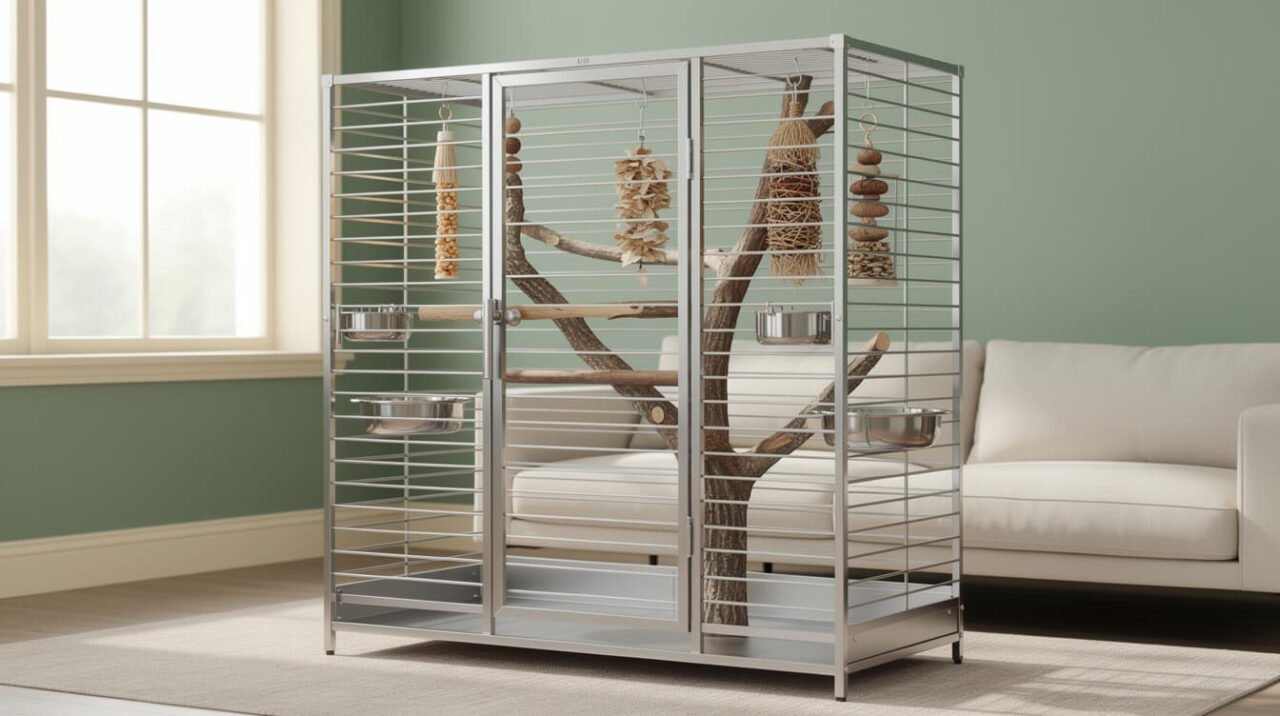
The cage is not where your grey lives. It’s where your grey sleeps, eats, and retreats — but it’s still the biggest piece of equipment you’ll buy, and the one most often bought too small.
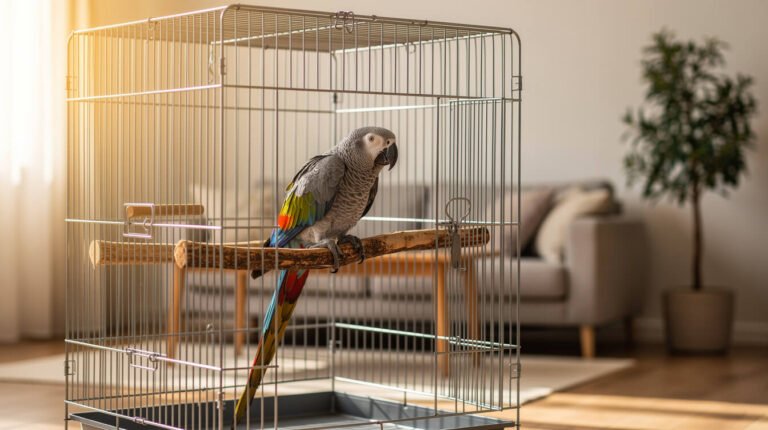
For a Congo grey, a realistic floor is roughly 30–36 inches wide × 24 inches deep × 48 inches tall, and bigger is genuinely better. The practical test breeders and avian vets use beats any dimension chart: your bird should be able to fully extend both wings and flap without touching the bars, with room left to move between perches. Greys climb more than they fly vertically, so width and depth matter as much as height, and horizontal bars on at least two sides give them something to climb.
Bar spacing for a grey generally falls in the 5/8 to 3/4 inch range; you’ll see up to 1 inch quoted for large parrots, and the safe default between numbers is to size down. Slightly tight spacing is an inconvenience; spacing wide enough for a head to pass through is an entrapment risk. Bar gauge matters too — a grey’s beak is a serious tool, and thin wire cages built for small birds aren’t up to it. Stainless steel or a quality powder-coated finish are worth paying for.
Inside the cage
- Perches of varying diameter and texture — natural, untreated hardwood branches are ideal. A cage furnished entirely with identical dowels puts the same pressure on the same points of the foot all day, which is how pressure sores start.
- Stainless steel food and water dishes, washed daily — not rinsed, washed.
- Toys at multiple heights, rotated weekly. More on this below.
- Cage liners changed every day or two, with a deep clean weekly.
Where to put it
Greys want to be near the family without being in the middle of chaos. A well-lit, draft-free corner of a living room — where the bird can watch everything but retreat to a side that feels protected — works far better than an isolated spare room or a high-traffic hallway. One placement rule is non-negotiable: not the kitchen, and not anywhere kitchen air flows freely. We’ll get to why in the health section, and it’s the single most preventable way pet birds die.
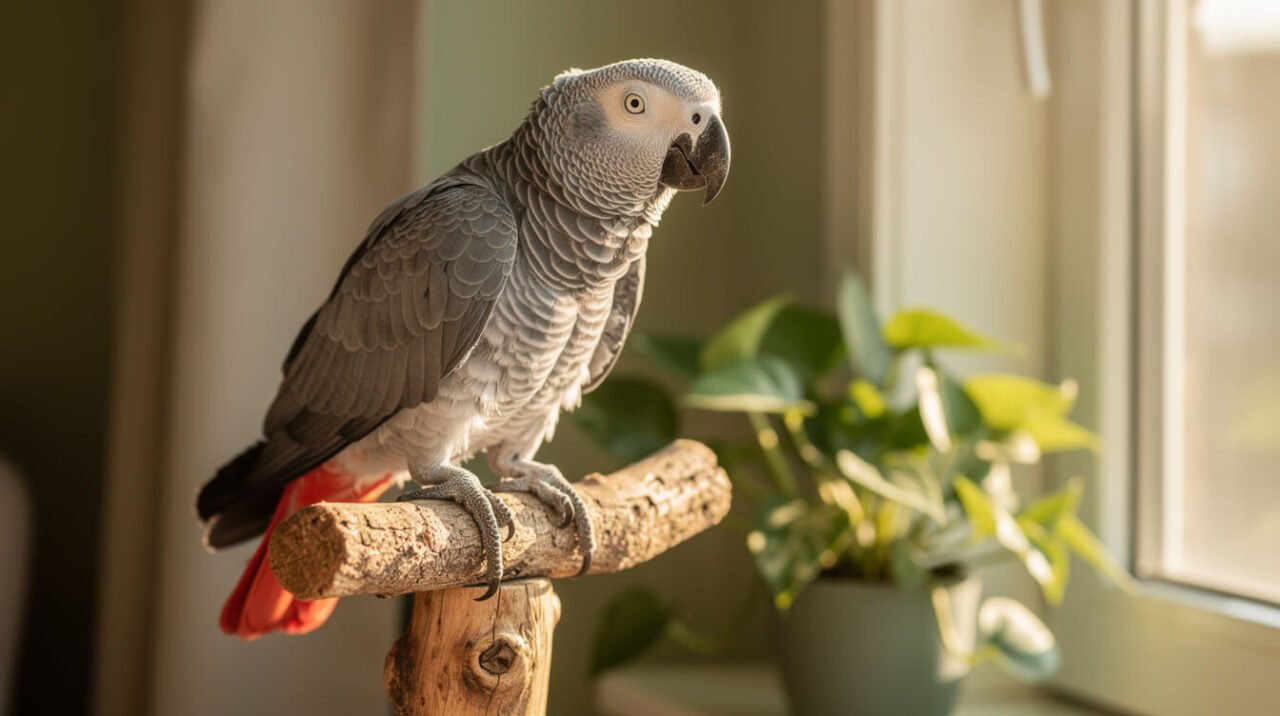
Wild greys live high in the forest canopy of Central and West Africa, in strong equatorial light and on a rigid twelve-hour day. Captive greys inherit both needs, and both are easy to get wrong in a human house.
Light and vitamin D3
Calcium absorption depends on vitamin D3, and D3 synthesis depends on UVB. Window glass and insect screens filter most of the useful UVB out, so a bird in a sunny window gets warmth and mood benefit but not much vitamin D.
Two approaches work: genuine unfiltered outdoor sunlight in a secure cage or aviary with shade available, or an avian-specific UVB bulb — mounted roughly 12–18 inches from the perch, run 6–8 hours a day, replaced every 6–12 months, since UVB output fades long before the bulb stops producing visible light. Outdoors, never leave a bird unattended, always provide shade, and never leave one in a parked car.
Sleep is a husbandry parameter
This one is badly under-covered. Greys need roughly 10 to 12 hours of uninterrupted, dark, quiet sleep, and “uninterrupted” is the operative word. A bird whose cage sits where the household watches television until midnight is chronically sleep-deprived — which shows up as irritability, screaming, biting, and feather damage long before anyone connects it to bedtime.
A sleep cage in a quiet room, or a cover and a strict lights-out, both work; consistency is what matters. Greys are routine animals to an almost comic degree — they notice when you move the furniture, let alone when their day shifts by two hours.
Diet: the calcium problem at the center of grey parrot care

One species-specific fact separates competent grey parrot care from generic parrot care: African greys are unusually prone to calcium deficiency compared with other large parrots, and a seed-heavy diet is the fastest route there. Hypocalcemia in greys can present as tremors, weakness, poor coordination, and in serious cases seizures — and it is largely preventable.
Greys are also prone to vitamin A deficiency and obesity. All three problems trace to the same cause: the bird eating what it likes out of a seed mix rather than what it needs.
What the diet should look like
Here the expert sources disagree in a useful way, so here’s the honest range:
- Formulated pellets: roughly 60–80% of the diet. VCA’s avian authors say 75–80%; an exotic practice we reviewed says 60–70%. Either way, pellets are the base, not a supplement.
- Fresh vegetables, leafy greens, and legumes: roughly 20–30%. Lean orange, red, yellow, and dark green — squash, sweet potato, carrot, bell pepper, kale, broccoli. Pale, watery vegetables like iceberg lettuce and celery contribute very little.
- Fruit: 10% or less. Fruit is a treat, not a food group.
- Seeds and nuts: treats and training rewards only. A couple of tree nuts daily — almond, walnut, Brazil nut — is the sort of quantity avian sources describe. Sunflower seeds and peanuts are the ones birds pick out first and the ones highest in fat.
Switching a seed addict to pellets (slowly)
This is where keepers get hurt, because a bird that refuses the new food can lose dangerous amounts of weight fast. Never switch cold turkey. The standard protocol runs two to six weeks: start at roughly 90% familiar food and 10% pellets, then shift about 10% more each day, with pellets always present in the main bowl. If your bird still isn’t reliably eating pellets by the end, stop, wait about a month, and retry with a different brand or shape rather than forcing it.
Buy a kitchen scale that reads in grams and weigh your bird at the same time each day through a transition. Weight is the earliest honest signal you’ll get; if it’s dropping, call your avian vet rather than pushing through.
Never feed a grey
Avocado, chocolate, caffeine, alcohol, fruit pits and apple seeds, dairy, and anything high in salt or fat. Avocado is reported as potentially fatal to birds — it’s on the do-not-feed list for most companion species, and we covered the same compound in our guide to whether dogs can safely eat avocado. For a bird, the margin for error is far smaller.
Enrichment, training, grooming, and that famous vocabulary
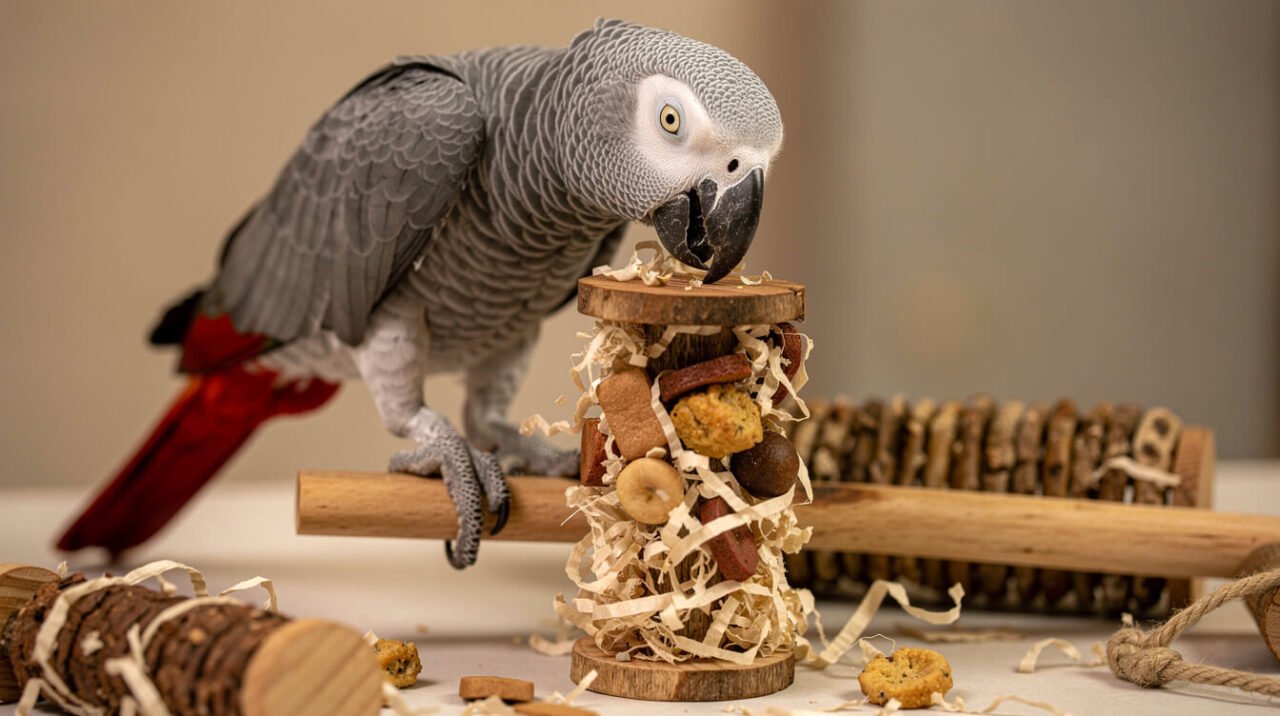
A wild grey spends most of its waking hours finding food, negotiating flock politics, and solving problems. A captive grey gets breakfast handed to it in a bowl. That gap — not cage size, not diet — drives most grey behavior problems.
Foraging is the highest-value thing you can add
If you only change one thing about your grey parrot care routine, make it this: make your bird work for food. Wrap pellets in paper, hide treats in cardboard tubes, use puzzle feeders, scatter the daily ration across several containers. A grey that spends forty minutes extracting almonds from a shredded-paper parcel isn’t spending forty minutes pulling out its own chest feathers.
Rotate toys weekly. The same five toys permanently in place become furniture. Keep a box, cycle through it, and prioritize destructible materials — soft wood, paper, vegetable-tanned leather, palm leaf. For which materials are safe and which hardware to avoid, we went deep on it in our complete parrot toy guide.
Training, and why positive reinforcement isn’t optional
Greys are sensitive and have long memories, forming durable associations with people, places, and objects — good and bad. Punishment-based handling doesn’t produce a compliant grey; it produces a frightened one that bites. Short, frequent positive-reinforcement sessions — step-up, targeting, recall, harness training if you go there — build a bird that participates in its own care.
About the talking
African greys have the greatest vocabulary potential of any commonly kept pet bird, with mimicry clear enough that voice assistants have been known to answer them. They copy the microwave, the smoke alarm, your cough, and anything you say often enough — including things you’d rather they didn’t. Talk to your bird conversationally, name what you’re doing, and reward attempts.
The honest caveat: not every grey talks. Some stay quiet, or prefer whistles and household sounds. A silent grey is not a failed grey, and a bird acquired primarily as a talking machine is set up to disappoint someone. If you want vocal companionship with a smaller commitment, our profile of the white-faced cockatiel covers a far more beginner-friendly bird.
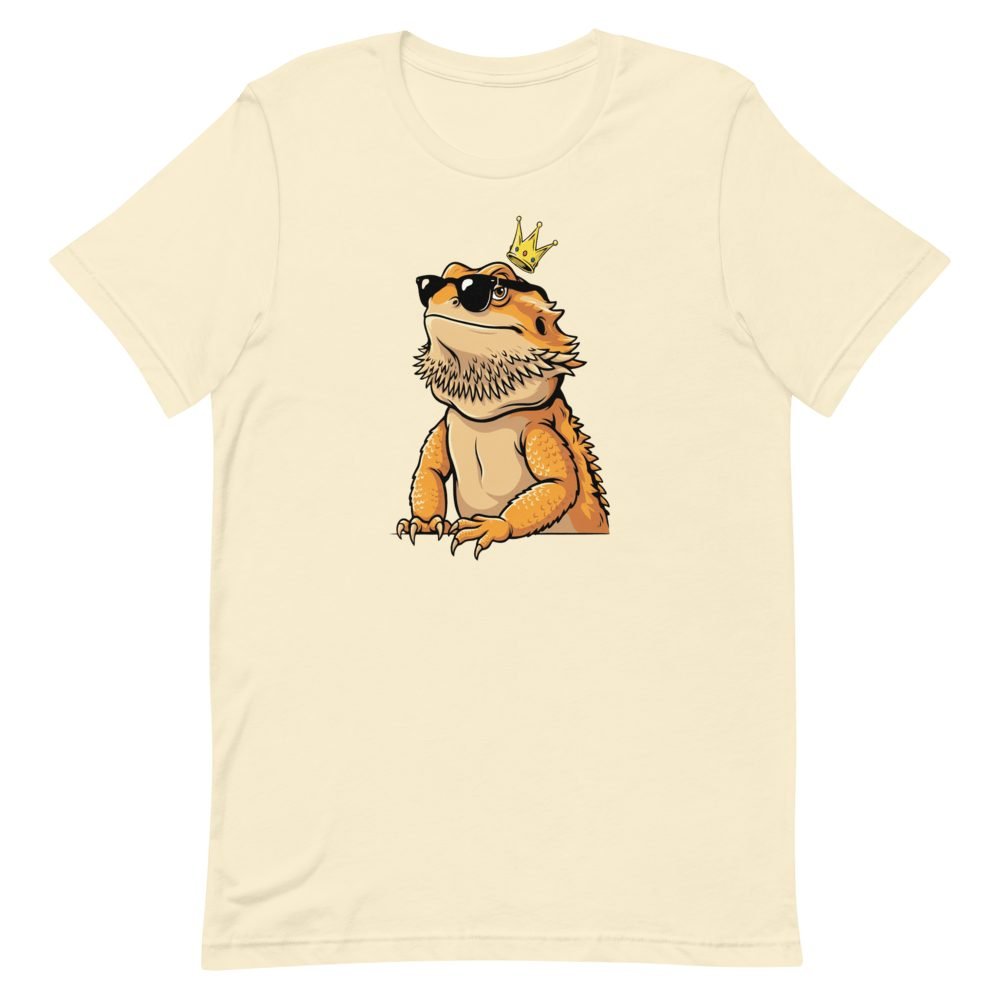
One small aside for the keepers who like wearing their obsession: our shop is currently one design deep, and it’s the Bearded Dragon Crown Sunglasses King T-Shirt — not a grey, we know. Plenty of our readers keep a herp alongside the bird, so if that’s you, it’s there. A proper parrot design is on the list.
Wear the obsession
The Bearded Dragon Crown Sunglasses King T-Shirt — for the keeper whose household runs on heat lamps as well as foraging toys. Soft, honest, and unmistakably for people who are a little obsessed with their animals.
Bathing and grooming
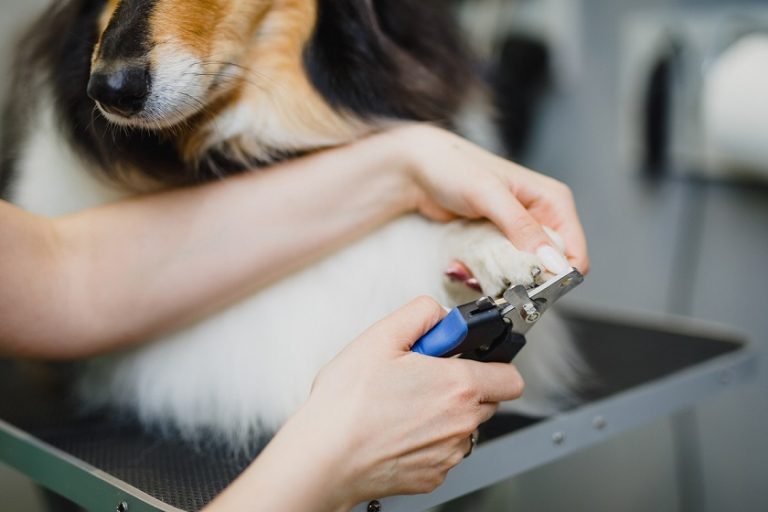
Grooming is a smaller part of grey parrot care than keepers expect. Mist or offer a shallow bath two to three times a week; rainforest birds are used to being wet, and regular bathing supports feather and skin condition. Nails generally need attention every four to eight weeks — and here’s a detail keepers rarely hear from anyone but an avian vet: don’t let anyone dull a grey’s nails too far. Greys have needle-sharp nails because they climb, and a bird whose grip has been blunted becomes clumsy, then nervous, then grabby and bite-prone. Trim to the point where the bird perches securely and you aren’t being punctured — no further.
Wing trimming is genuinely contested, and we won’t pretend otherwise. Greys are heavy-bodied, and a hard fall can injure the keel, the legs, or the skin under the tail — avian vets link those falls to pain, fear-biting, and subsequent feather destruction. If you trim at all, let a young bird fledge properly first and learn to take off, turn, and land, then trim lightly so it can still glide down under control. That’s a conversation for an avian veterinarian who knows your bird, not a decision to take from a video.
The weekly care guide
Get it right for your animal, every week
One email a week: new care guides, species deep-dives, and the safety answers keepers search for, written by our specialists. No spam. Unsubscribe anytime.
Health: what to watch for, and the household hazards nobody lists
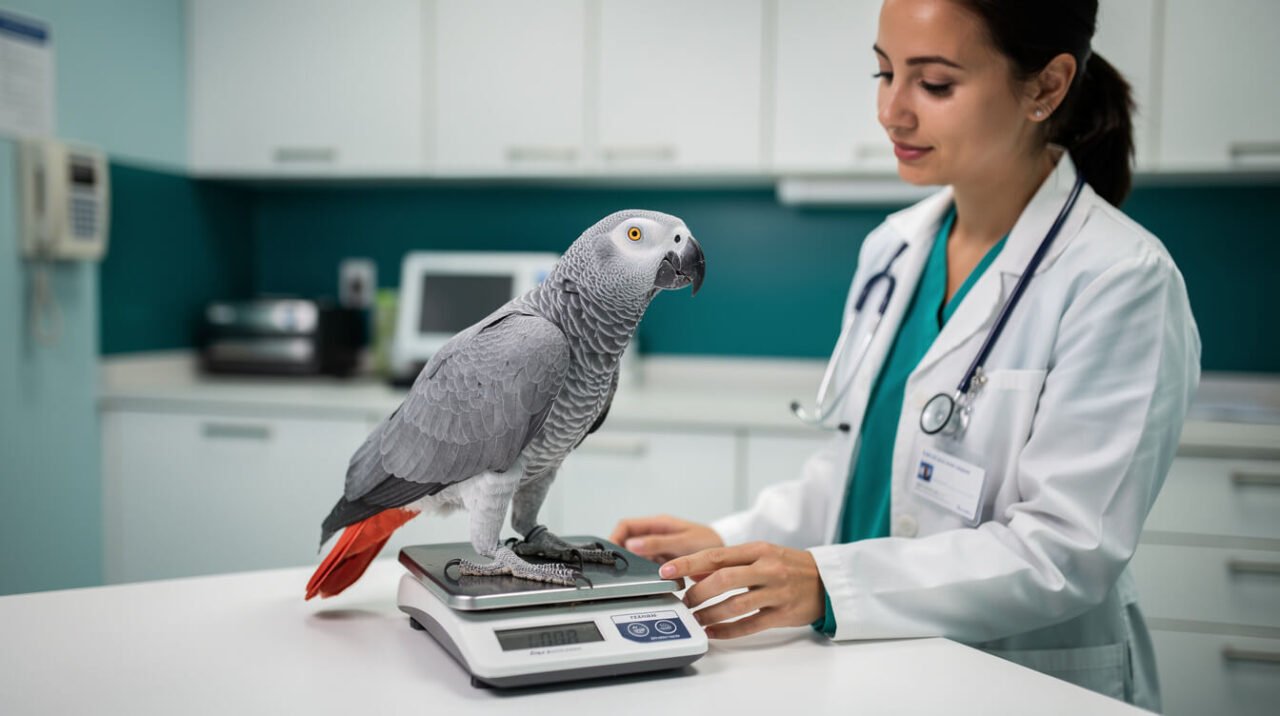
We’re a care guide, not a veterinary practice. Nothing below is a diagnosis, and anything here that sounds like your bird is a reason to call an avian veterinarian today — not to read another article.
That matters more with parrots than most pets, because birds are prey animals and prey animals hide illness. By the time a grey looks obviously sick, it has usually been unwell a while. This is why keepers who do well with greys weigh their birds regularly and book an annual wellness exam — typically a physical and weight check, bloodwork including calcium, and a fecal test. A baseline taken while your bird is healthy is what makes a later abnormal result readable.
Conditions seen in greys
- Hypocalcemia — low blood calcium, disproportionately common in this species. Tremors, weakness, poor coordination, seizures in severe cases. An emergency.
- Feather-destructive behavior — plucking, chewing, broken quills, inflamed skin. Causes range from boredom and stress to diet, pain, and disease, which is why it needs a vet workup rather than a guess.
- Psittacosis (“parrot fever”) — a bacterial infection causing nasal discharge, lethargy, and diarrhea. It is zoonotic: it can pass to humans. Tell your doctor you keep a parrot if you’re unwell at the same time your bird is.
- Aspergillosis — a fungal respiratory infection linked to mold exposure and poor ventilation. Labored breathing, weight loss, voice changes.
- Obesity and fatty liver disease — the long tail of a high-fat seed diet.
- Vitamin A deficiency, psittacine beak and feather disease (PBFD), proventricular dilatation disease, and in older birds atherosclerosis and heart disease, all of which avian sources flag in greys specifically.
Signs that justify a same-day call: fluffed and sitting on the cage floor, tail-bobbing or open-mouthed breathing, a change in droppings lasting more than a day, sudden silence from a normally vocal bird, or weight loss on the scale.
The household hazards most care guides skip
This is the section we most wanted to write, because almost none of the top-ranking grey care articles cover it properly — and these are the things that actually kill pet birds in otherwise loving homes.
- PTFE and other nonstick coatings. Overheated nonstick cookware releases fumes that are rapidly fatal to birds, often before anyone smells anything. It isn’t just frying pans: nonstick coatings turn up in some air fryers, waffle irons, drip pans, self-cleaning oven cycles, space heaters, and some hair tools. If a bird shares your home, treat the kitchen as a separate airspace and move to stainless steel or cast iron where you can.
- Heavy metals. Zinc and lead poisoning trace to galvanized hardware and wire, cheap toy clips and bell clappers, costume jewelry, curtain weights, stained glass, and old paint — all things a grey will happily investigate with its beak. Buy toys and hardware rated for parrots, and be suspicious of hardware-store substitutes.
- Aerosols and fumes. Scented candles, air fresheners, incense, hairspray, oven cleaner, strong paints, and cigarette smoke all sit on an avian vet’s list. Birds have extraordinarily efficient respiratory systems — which is exactly the problem.
- Household classics. Ceiling fans, open toilets, windows and mirrors, hot cooktops, other pets, toxic houseplants — worth a walk-through before the first out-of-cage session.
Before you bring one home: legality, sourcing, and the fifty-year plan
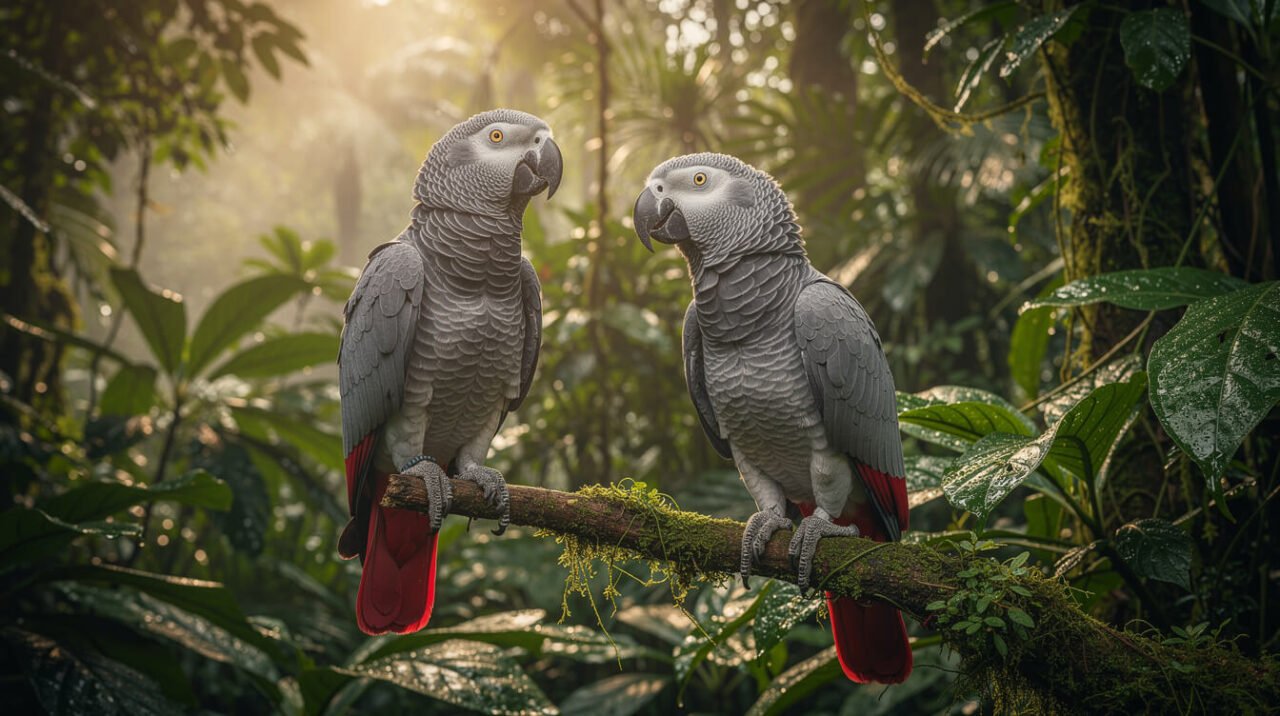
Here’s the part missing from nearly every top-ranking grey care article — and the part that matters most to the species as a whole.
The African grey is not a common bird in the wild anymore. Psittacus erithacus is listed as Endangered on the IUCN Red List, with wild capture for the pet trade a major driver of the decline alongside habitat loss. In response, CITES — the international convention governing trade in threatened species — moved the African grey from Appendix II to Appendix I, its highest level of protection, effective 2 January 2017. Commercial international trade in wild-caught birds is prohibited.
What that means for you, practically:
- Buy captive-bred, and get paperwork. A reputable breeder or parrot rescue will have documentation of the bird’s origin and hatch date, and will be happy to show it. A seller who’s vague about where a grey came from is a seller to walk away from.
- Keep your documents. Appendix I status means paperwork matters if you ever move internationally, travel with the bird, or need to prove legal ownership. Requirements vary by country and state, so check your own jurisdiction rather than assuming.
- Consider a rescue. Greys are surrendered often, precisely because of the commitment described at the top of this guide. An adult rescue grey comes with history and sometimes baggage — but also with a known personality, and the rescue will tell you honestly what you’re taking on.
The plan nobody makes
If your bird may live fifty years, there’s a real chance it outlives you — or outlives your ability to care for it. Keepers who take this seriously name a person in advance, write the bird into their will along with funds for its care, and keep a written care document — diet, vet, routines, quirks, fears — that someone else could actually follow.
It feels morbid. It’s the opposite. It’s the last piece of grey parrot care, and it decides whether the most disruptive event in your bird’s life is handled or chaotic.
Frequently asked questions about grey parrot care
Is grey parrot care suitable for beginners?
Honestly, no — and the exotic vets who write their care sheets say so plainly. Their intelligence, sensitivity to routine, noise, long lifespan, and need for hours of daily interaction make them a demanding first parrot. That isn’t a judgment on you; the gap between a grey’s needs and a beginner’s expectations is where feather plucking starts. A cockatiel or budgie is a far gentler entry point.
Why is my African grey plucking its feathers?
Causes range widely — boredom, loneliness, stress or routine change, poor diet, low humidity, a badly done wing trim, skin disease, pain, or systemic illness. Because medical causes are common and worsen while you experiment, the right first step is an avian veterinary exam, not a new toy. Enrichment and diet fixes come after a vet has ruled out disease.
Do African greys need UVB lighting?
They benefit from it, particularly given their susceptibility to calcium problems. Genuine unfiltered sunlight is best; otherwise an avian-specific UVB bulb at roughly 12–18 inches from the perch for 6–8 hours a day, replaced every 6–12 months, is the standard guidance from exotic practices. Ask your avian vet to tailor it to your bird and setup.
Can African greys be left alone during a workday?
A grey can cope with a normal workday if the rest of the day genuinely belongs to it — a well-furnished cage, foraging set up before you leave, and several hours of real interaction when you’re home. What greys cannot cope with is a household where nobody is meaningfully present. If your home sits empty twelve hours a day most days, this isn’t the right species.
How do I know whether my grey is male or female?
You usually can’t tell by looking — African greys aren’t reliably sexed by appearance. If you need to know, your veterinarian can determine it with laboratory (DNA) sexing or, less commonly now, endoscopy.
Final thoughts: understand the bird, and the care follows
Almost every hard problem in grey parrot care traces to one root: a profoundly intelligent, social, long-lived forest animal living in a human house. Get the big things right — real space, a pellet-based diet with genuine vegetables, proper light, uninterrupted sleep, hours of foraging and company, a clean airspace, and an avian vet who knows your bird — and most of the rest sorts itself out.
And if you’re still in the reading-about-it stage, take your time. The best thing you can do for a grey is be certain before you bring one home, and honest with yourself about the next fifty years. That isn’t hesitation — it’s the first act of good care.
Before you go
Keep learning your animal
We publish a new guide every day. The best of them land in one short weekly email, so you never miss the one about your species.
Emily Chen is a passionate avian specialist with over a decade of experience in nurturing and training birds of all feathers. From the melodious canaries to the intelligent parrots, Emily’s expertise spans a wide range of avian care, including diet, habitat setup, and behavioral training.