Can Dogs Eat Peppermint? The Mint Plant, Peppermint Oil, and the One Mint That’s Truly Dangerous
Can dogs eat peppermint? A nibbled leaf from the plant is low-risk for most dogs, so if that’s what just happened, you can breathe. The concentrated forms are another story. Peppermint essential oil, sugar-free peppermint candy, and a mint cousin called pennyroyal can all make a dog sick. Pennyroyal is the one that has killed dogs, and it usually reaches them through a bottle of “natural” flea treatment, not through the garden.
This time of year peppermint is everywhere: candy canes on the tree, a bark tin on the counter, a diffuser by the couch. So this guide sorts it by form. You’ll learn what the ASPCA’s “toxic” label on mint really means, what the veterinary literature says about mint oils, and which situations are “watch your dog” versus “call now.”
Can dogs eat peppermint? The short answer, form by form
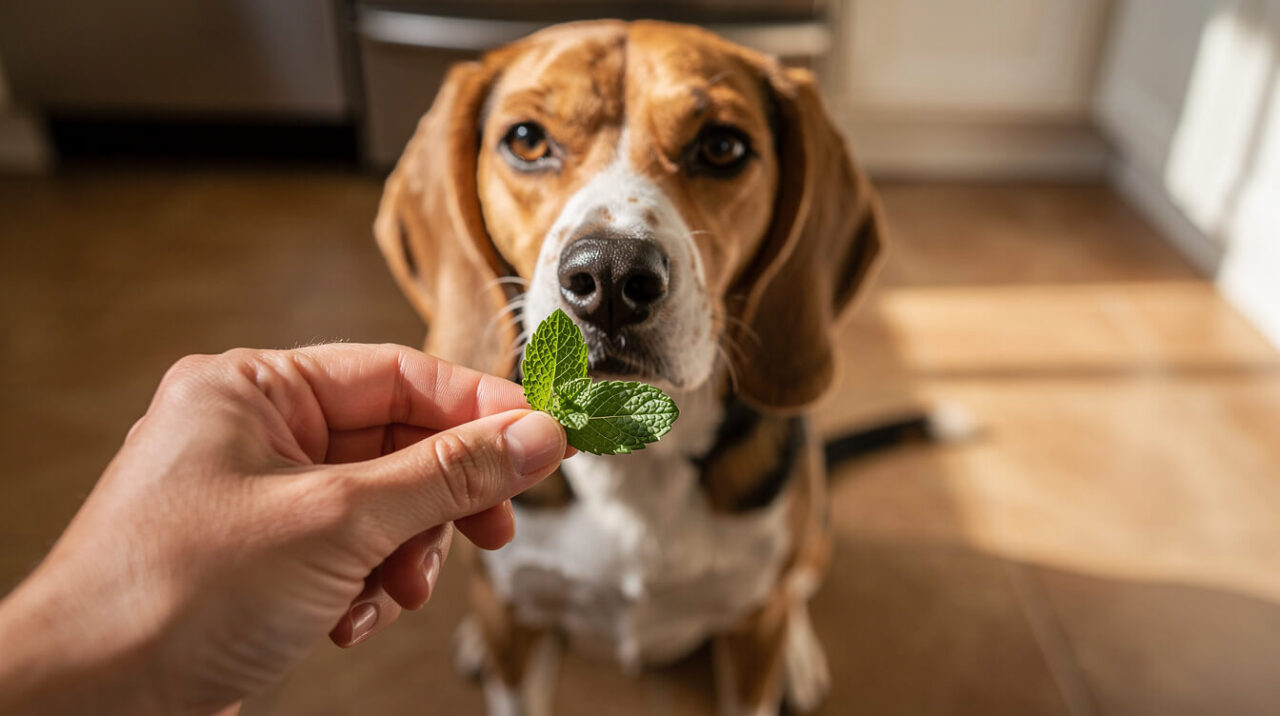
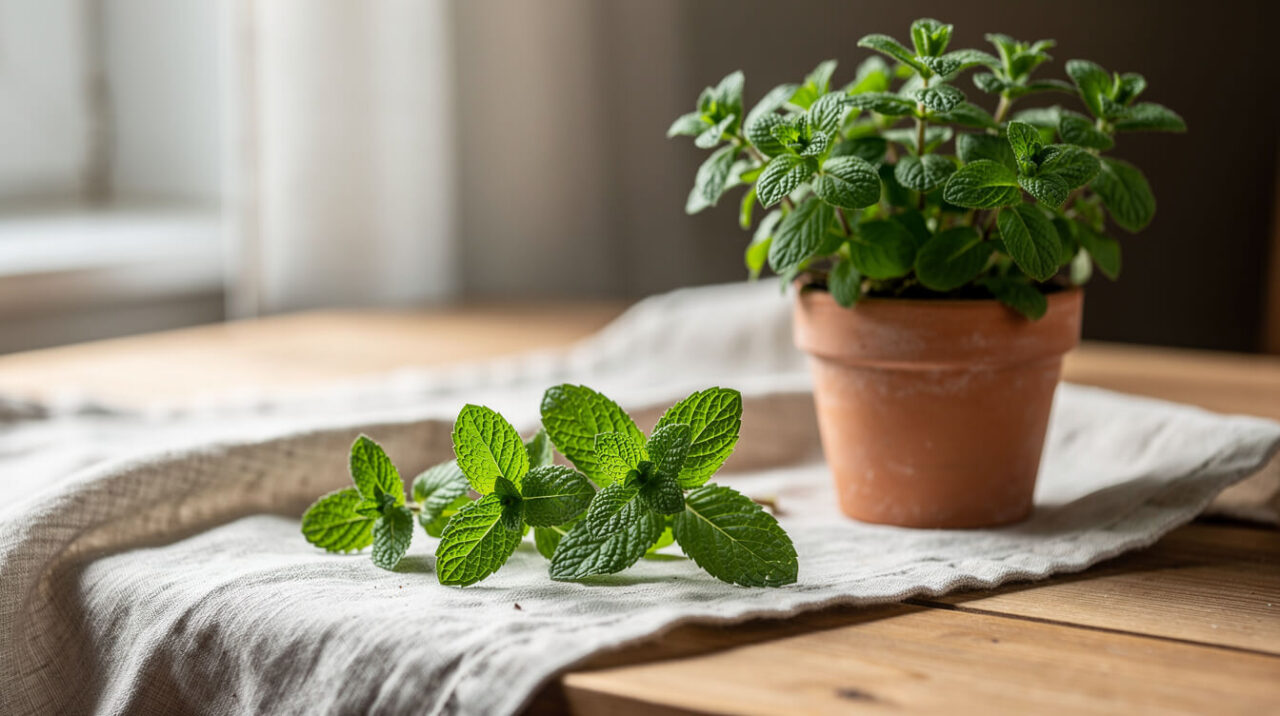
Peppermint (Mentha × piperita) is a natural hybrid of spearmint and water mint. The plant itself isn’t the worry. The worry is how concentrated its oils are in whatever your dog got into. Here’s the quick sort:
- A fresh or dried peppermint leaf or two: low-risk. Large amounts can cause vomiting or diarrhea. A sprig off the garnish isn’t an emergency.
- Peppermint-flavored dog treats made for dogs: generally fine as treats, because the flavoring is formulated at levels intended for dogs.
- Peppermint candy, candy canes, and peppermint bark: not for dogs. Sugar, wrappers, and chocolate are all problems, and anything labeled sugar-free could contain xylitol, which is a call-now situation.
- Peppermint essential oil (eaten, licked off the fur, or put on the skin): not safe to give. Veterinary poison specialists list peppermint among the essential oils that are poisonous to dogs.
- Pennyroyal (the plant, and especially the oil): never. This is the mint with a documented record of fatal liver damage in dogs.
Spearmint follows the same pattern as peppermint. The garden plant is low-risk in small amounts, and the oil is concentrated. Wintergreen isn’t a true mint at all, but it tastes “minty” and has its own serious problem, covered below.
So “can my dog have peppermint” really comes down to “which peppermint?” The rest of this guide takes each form in turn.
What “toxic” on the ASPCA list actually means for mint leaves
Look up mint in the ASPCA’s plant database and you’ll see a red line: Toxic to Dogs, Toxic to Cats, Toxic to Horses. That’s where a lot of alarming headlines come from. One major pet-food brand’s holiday guide calls peppermint “extremely dangerous” and cites that exact entry.
Read the entry to the end, though. The toxic principle is listed as essential oils, and the clinical signs as “vomiting and diarrhea with large ingestions.” That’s the whole list. It doesn’t mention seizures, liver failure, or a small toxic dose.
That’s how the ASPCA list works for many plants. “Toxic” means the plant can cause signs if enough is eaten, not that a single leaf is dangerous. We saw the same thing with poinsettias, where the toxic label mostly means a sore mouth and an upset stomach. For mint, the oils that cause the trouble are spread thinly through the leaf. A dog would need to eat a real quantity of the plant to get a meaningful dose, and the usual result is a stomach that empties itself.
Why the sources seem to disagree
If you’ve read around, you’ve seen contradictions, sometimes on the same page. One top-ranking guide says an occasional fresh leaf is “generally safe,” then later tells you to avoid giving peppermint leaves. Another says a small amount “isn’t likely to harm most healthy dogs.” Both are true, because they answer different questions:
- Will a leaf or two hurt my dog? Very unlikely.
- Should I feed mint as a regular snack? There’s no reason to. It adds no nutrition your dog needs, a dog that likes it can eat too much from the plant, and it can irritate the mouth and gut in volume.
So the honest version is this: don’t panic over a nibble, and don’t make mint a habit. If your dog has grazed heavily on a mint patch and is now vomiting repeatedly, has diarrhea that won’t settle, or seems lethargic, call your vet.
Pennyroyal: the mint that kills, and where dogs actually meet it
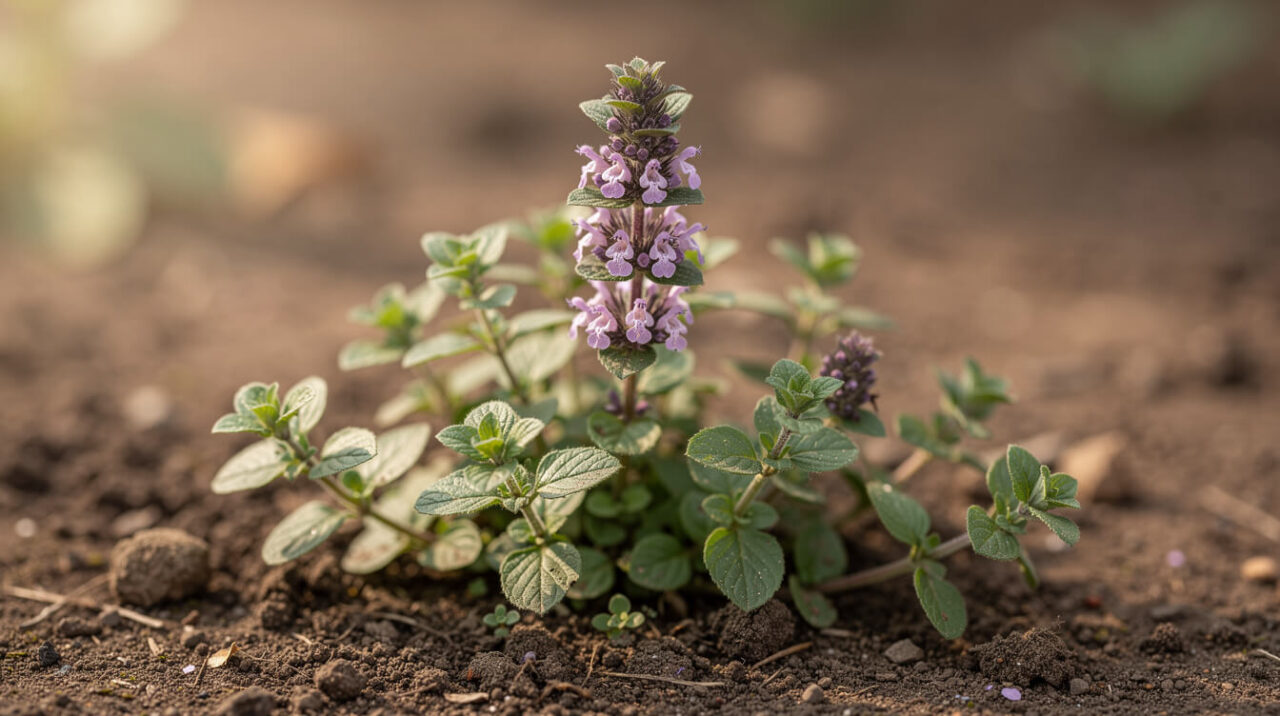
Several competitor articles mention pennyroyal in passing, usually as “a mint to avoid in the garden.” That’s accurate, but it misses how dogs actually get poisoned by it.
Pennyroyal (Mentha pulegium) has been used against fleas for centuries. Its species name comes from pulex, the Latin word for flea. According to the Merck Veterinary Manual, this member of the mint family is “a known hepatotoxin that can cause death,” and it “remains widely available in ‘natural’ flea control products and preventives.” Its main toxic compound, pulegone, damages the liver.
The case that put this in the veterinary literature reads like a warning label. In a 1992 report in the Journal of the American Veterinary Medical Association, an owner applied pennyroyal oil bought at a health food store to treat their dog’s fleas. The dog was vomiting within two hours and, despite emergency treatment, died within 48 hours. Necropsy confirmed pennyroyal oil as the cause. A later veterinary dermatology review of botanical flea and grooming products found that most of them cause trouble mainly when used stronger than directed, and that the exception is pennyroyal oil, which is hepatotoxic.
The Pet Poison Helpline names pennyroyal among the essential oils it sees most often in dog poisonings. It says pennyroyal is used “by unsuspecting pet owners to treat flea infestations or to try to prevent flea infestations,” that both skin contact and swallowing can poison, and that it can cause liver failure. Its bottom line: “all forms of it should be avoided in dogs.”
How to protect your dog from pennyroyal
- Read the ingredient list on anything “natural” for fleas or ticks: sprays, shampoos, collars, powders, and homemade recipes. Look for pennyroyal, Mentha pulegium, or pulegone. “Natural” and “plant-based” are marketing words, not safety claims.
- Skip DIY flea remedies built on essential oils. If fleas are the problem, your vet can recommend a flea product with real safety and efficacy testing behind it for your dog’s weight and health. If your dog is itchy and you’re not sure fleas are the cause, our guide to why dogs keep licking their paws walks through the other common culprits.
- Know the plant. Pennyroyal is a low, creeping mint with small rounded leaves and whorls of lilac flowers stacked up the stem. It’s sometimes sold as a creeping groundcover or lawn herb. If you grow it, grow it where your dog can’t graze. Better still, pick a different groundcover.
If your dog has had pennyroyal oil or a pennyroyal flea product on its skin or in its mouth, call your vet or a pet poison hotline now, even if your dog seems fine. Liver injury can take time to show.
Is peppermint oil safe for dogs?
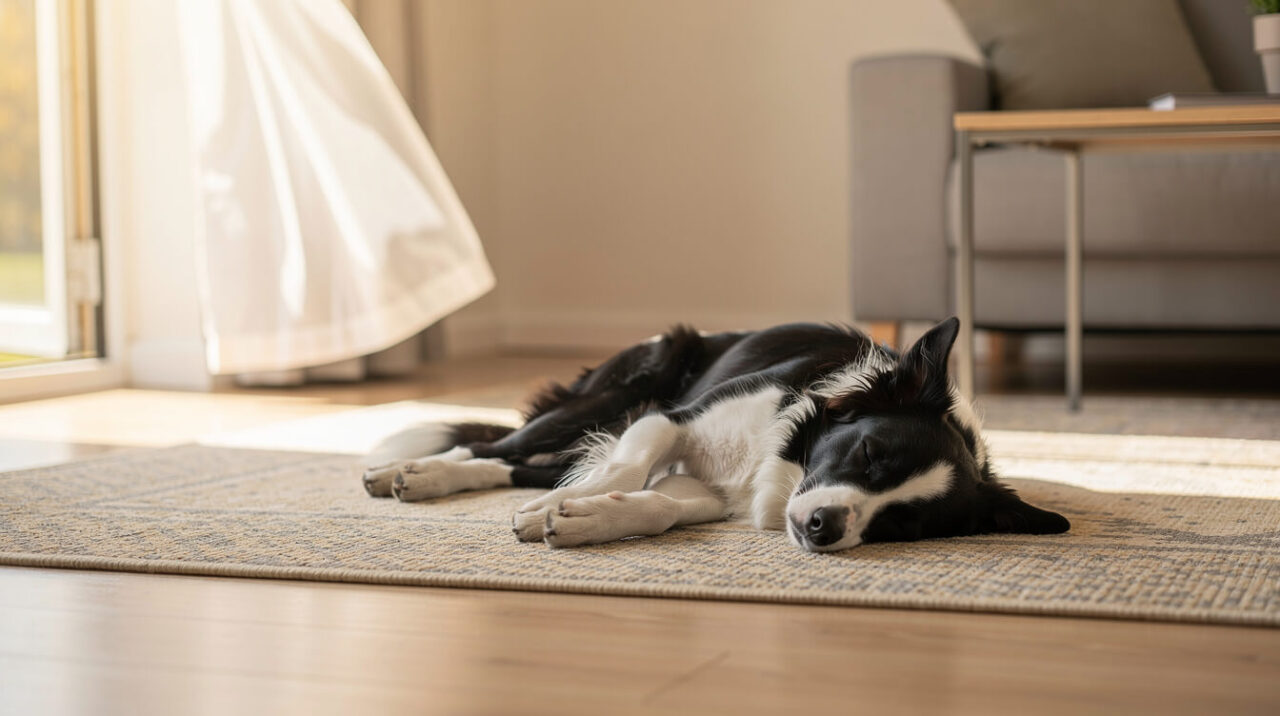
Peppermint essential oil is what you get when the leaf’s oils are distilled into a small bottle, so a few drops carry a dose no leaf could. VCA’s guide to essential oil poisoning in dogs, written with the Pet Poison Helpline’s toxicologists, lists peppermint alongside pennyroyal, tea tree, wintergreen, pine, and several others as oils that are poisonous to dogs, and notes that “both ingestion and skin exposure can be toxic.”
To be accurate about the risk: we couldn’t find a published veterinary case series specific to peppermint oil poisoning in dogs, and nobody has established a toxic dose. Claims that peppermint oil causes liver failure are not backed by any peppermint-specific study we could find. What the veterinary sources do say:
- Low exposures usually mean stomach upset. VCA says small amounts of essential oils “often only” cause gastrointestinal upset. Concentrated oils can go further, and some, like pennyroyal and tea tree, are known to affect the liver or nervous system.
- Skin is a real route in. Merck notes that oils applied to the fur or skin can harm an animal through grooming and through absorption across the skin.
- Puppies and dogs with liver disease are more sensitive, because many oil compounds are processed by the liver.
What the tea tree data teaches about any concentrated oil
The best data on undiluted oils comes from tea tree, not peppermint, so treat it as an analogy and not a peppermint finding. Still, it’s telling. An ASPCA Animal Poison Control Center study of 443 dogs and cats exposed to 100% tea tree oil found that 89% of the exposures were intentional: an owner applied the oil on purpose, usually to help. Half of those animals were exposed through the skin alone. Signs showed up within 2 to 12 hours and lasted up to three days. The lesson carries over to peppermint: most oil poisonings start with a caring owner and a bottle of something “natural.”
Peppermint oil around your dog: practical rules
- Never apply undiluted peppermint oil to your dog, and don’t add it to food or water. Talk to your vet before using any essential-oil product on your dog, including ones marketed for pets.
- Diffusers: Merck notes that diffused oils people enjoy can still affect dogs. If you diffuse, keep the unit and the oil bottle where your dog can’t knock them over or lick them, run it in a ventilated room, and make sure your dog can leave the room. Stop if your dog drools, paws at its face, coughs, or seems unsteady.
- Spills and licks: an overturned bottle or an oily hand your dog licked counts as an exposure. See the “My dog ate mint” section below for what to do.
The weekly care guide
Get it right for your animal, every week
One email a week: new care guides, species deep-dives, and the safety answers keepers search for, written by our specialists. No spam. Unsubscribe anytime.
Peppermint candy, candy canes, and “sugar-free” mints

Most peppermint candy problems have nothing to do with the mint. They come from what it’s packaged with.
- Xylitol. This is the one that matters most. The FDA warns that xylitol is used in sugar-free gum, sugar-free candy, and breath mints, and that in dogs it can trigger a dangerous drop in blood sugar within 10 to 60 minutes. Some signs can be delayed by 12 to 24 hours. If your dog ate anything sugar-free and you can’t confirm it’s xylitol-free, call your vet or a poison hotline right away. Don’t wait for symptoms. We covered the same label check in our gingerbread guide.
- Wrappers. A dog who swallows a handful of individually wrapped mints swallows the plastic too. Wrappers can cause a blockage. Call your vet if your dog ate several, especially a small dog.
- Chocolate. Peppermint bark and chocolate mints add the chocolate question, which depends on the type and amount. Call with the package in hand.
- Plain sugar. A regular, sugar-sweetened candy cane is mostly sugar. One lick or a small piece will likely cause nothing more than a possible upset stomach. It’s still not a treat. The sharp shards of a crunched candy cane are another reason to keep them up high.
Candy canes on the tree deserve their own section, and they’ll get a full guide of their own. In the meantime, the rule is the same one we gave for pumpkin pie: keep holiday treats up high, behind a closed door or a pet gate, and check the label of anything sugar-free.
Does peppermint help a dog’s breath or stomach?
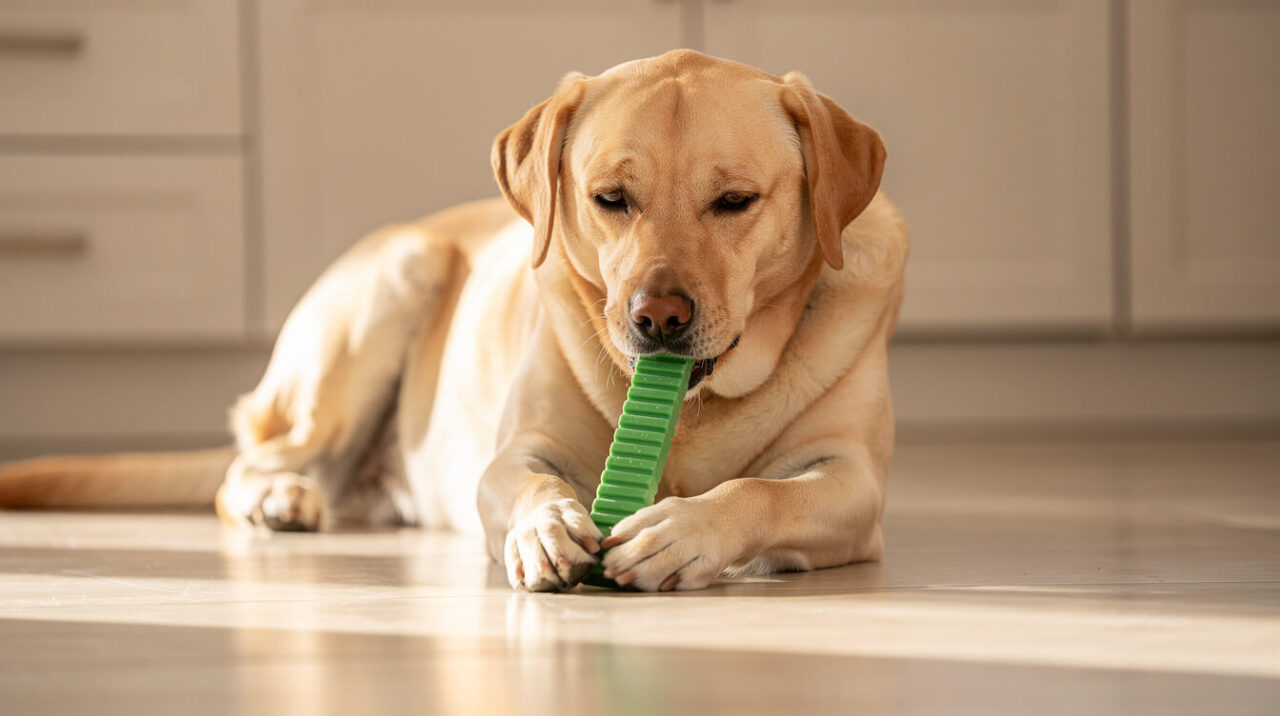
This is the hopeful part of the peppermint story. It’s also the part where the marketing runs ahead of the evidence, so here’s what’s actually known.
Breath: peppermint masks it, it doesn’t fix it
Mint can make a dog’s breath smell fresher for a while, which is why it shows up in so many dental chews. But bad breath in dogs is most often a sign of dental disease, meaning plaque, tartar, and inflamed gums. A mint-flavored chew covers the smell without touching the cause. If your dog’s breath has changed, a dental check is the real answer.
For day-to-day care, what works is daily tooth brushing with a dog toothpaste (never human toothpaste, which can contain xylitol) and chews or diets that have been tested. The Veterinary Oral Health Council’s accepted products list shows which chews, diets, and rinses have passed testing for reducing plaque or tartar. If you love the minty smell, choose a peppermint-flavored product made for dogs that also carries the VOHC seal.
A small aside from the GeoZoo desk: we’re dog people first, but the shop is reptile-first for now. If your house has a bearded dragon alongside the dog, our Bearded Dragon Crown Sunglasses King T-Shirt is the one keepers keep asking about.
Wear the obsession
Our Bearded Dragon Crown Sunglasses King tee is for the multi-species household: a soft everyday shirt for keepers who take their animals seriously and themselves a little less so.
Stomach: the evidence is for people, not dogs
You’ll read that peppermint “soothes digestion” in dogs. One top-ranking article says menthol “has been shown to help ease digestive discomfort in dogs” and links to the Merck Veterinary Manual for support. The Merck page it cites is a general table of the attributes suggested for common herbs. It isn’t a dog study. The same table row lists “mild GI upset, nausea, vomiting with oral administration” as peppermint’s adverse effects. So the herb suggested for tummy trouble is also listed as a cause of it.
If your dog has an upset stomach, peppermint isn’t the tool. Mild, short-lived upset in an otherwise bright dog is a conversation with your vet about a bland-diet plan. Repeated vomiting, blood, a bloated belly, or a dog who seems unwell needs a vet visit, not an herb. And if you’re tempted by the other famous home remedy, our pumpkin guide explains what it can and can’t fix.
My dog ate mint: what to do now

Start by working out what your dog actually got into. Then match it here:
Watch at home (call your vet if signs appear or you’re unsure)
- A few leaves of garden peppermint or spearmint, a sprig of garnish, or a dog treat flavored with peppermint.
- A lick or small piece of a plain, sugar-sweetened candy cane, with no wrapper swallowed.
Expect at most some drooling, a little vomiting, or soft stool. Offer water. Call your vet if vomiting repeats, diarrhea lasts beyond a day, or your dog seems lethargic or off.
Call your vet or a poison hotline now
- Anything with pennyroyal: the plant, the oil, or a “natural” flea product containing it.
- Any amount of peppermint (or other) essential oil swallowed, licked off a spill, or applied to the skin.
- Anything sugar-free (gum, mints, candy) unless you’ve confirmed it has no xylitol.
- Wintergreen oil or wintergreen candy made with concentrated oil. The Pet Poison Helpline explains that oil of wintergreen contains methyl salicylate, an aspirin-like compound, and can cause severe stomach upset, ulcers, and kidney or liver injury in dogs.
- Several wrapped candies, any chocolate mint, or a large amount of anything.
While you call:
- Don’t make your dog vomit unless a vet tells you to. VCA specifically warns against inducing vomiting or giving activated charcoal at home for essential oil exposures.
- If oil is on the fur or skin, VCA advises washing it off with liquid dishwashing detergent. Keep your dog from licking it in the meantime.
- Bring the bottle, wrapper, or label. The exact ingredients and concentration change the advice.
Two 24/7 animal poison lines can help; both charge a consultation fee: Pet Poison Helpline, (855) 764-7661, and ASPCA Animal Poison Control, (888) 426-4435. (Some older articles still print a previous Pet Poison Helpline number. Use the 855 number above.)
Can dogs eat peppermint candy, tea, or oil? Quick answers
Can dogs eat peppermint leaves?
A leaf or two is low-risk. The ASPCA lists mint as toxic, but the listed signs are vomiting and diarrhea after large amounts. Don’t feed it as a regular snack, and don’t let your dog graze a mint patch.
Is spearmint safer than peppermint for dogs?
They behave much the same. Both are low-risk as a leaf and concentrated as an oil. The ASPCA groups them under one mint entry (Mentha species). The exception in the mint family is pennyroyal.
Can dogs eat candy canes?
No. A lick of a plain sugar candy cane is unlikely to hurt, but sugar, sharp shards, wrappers, and sugar-free versions that may contain xylitol all make them a poor choice. Any sugar-free candy is a call-now situation.
Can dogs drink peppermint tea?
A weak, cooled, unsweetened peppermint tea is very dilute, and a few laps is unlikely to cause harm. There’s no evidence it helps a dog, though, so check with your vet before offering it on purpose. Never add sweeteners, and never use it to treat a sick dog at home.
Is it safe to diffuse peppermint oil around my dog?
Diffusing is a different exposure from licking or skin contact, but veterinary sources still advise caution. Keep the diffuser and the bottle out of reach, use a ventilated room your dog can leave, and stop if you see drooling, coughing, pawing at the face, or wobbliness. Ask your vet first if your dog is a puppy or has liver or breathing problems.
Does peppermint repel fleas on dogs?
Don’t rely on it. There’s no good evidence peppermint oil controls fleas, and putting concentrated oil on your dog carries its own risk. “Natural” flea products are also the most common way dogs meet pennyroyal. Ask your vet for a tested flea preventive instead.
The bottom line on peppermint for dogs
So, can dogs eat peppermint? The leaf, in small amounts, is low-risk, and a nibbled sprig is not an emergency. What causes harm is concentration and company: essential oil in a bottle, xylitol in a sugar-free mint, wrappers in a candy dish, and pennyroyal in a “natural” flea spray. Keep the oils and candy out of reach, read labels on anything sugar-free or “natural,” and save the minty breath for a dog-made, VOHC-accepted chew. Your dog doesn’t need peppermint to be happy. They need you paying attention, and you already are.
Before you go
Keep learning your animal
We publish a new guide every day. The best of them land in one short weekly email, so you never miss the one about your species.

Meet Jake Harrington, your go-to guru for all things canine. With over 15 years of professional dog training experience, Jake has transformed the lives of thousands of dogs and their owners. His journey began in the bustling streets of a major city, where he discovered his natural affinity for understanding canine behaviors and communication.