Ball Python Diet: What to Feed, How Much, and How Often (and Why the Charts Disagree)
A healthy ball python diet is simple to describe: whole prey, usually frozen-thawed rodents, sized to the snake and offered on a schedule that changes as it grows. Getting the details right is harder, because popular feeding guides disagree. One says the prey should be no wider than the snake. Another says up to twice as wide. One chart feeds a big adult every 10 to 14 days, and another waits four to six weeks.
Most of those numbers aren’t wrong. They’re measuring different things. Below, we put the rules side by side, work out what each one adds up to over a week, and explain what wild ball pythons eat, how to thaw prey safely, how to read your snake’s body condition, and when a skipped meal is normal and when it’s a reason to see your vet.
Ball python diet basics: whole prey, and what wild ball pythons really eat

Ball pythons (Python regius) are obligate carnivores. They need whole animals: skin, bones, organs, and all. That is the whole nutritional package. A ball python never eats a balanced plate a little at a time. It eats one complete animal and then digests it for days. That’s why Zen Habitats warns against pieces of meat or food scraps. A chicken breast or a strip of beef is an incomplete meal, however much protein it has.
What wild ball pythons eat
Most care guides say wild ball pythons eat “rodents and birds.” One of the few field studies gives a more interesting answer. In southeastern Nigeria, Luiselli and Angelici examined the diets of 62 wild ball pythons through droppings and stomach contents recovered by gentle palpation (Italian Journal of Zoology, 1998). They found only birds and mammals, and the two sexes ate quite differently:
- Males ate mostly birds (70.2% of prey items). The authors linked this to males spending more time off the ground.
- Females, which were longer on average, ate mostly mammals (66.7% of prey items).
- Young snakes under about 70 cm (28 inches) ate almost exclusively nestling and young birds. Snakes over about 100 cm (39 inches) ate almost entirely small mammals.
It’s one study, from one region, during one main season, so don’t read it as a feeding plan. It does explain why ball pythons accept a range of prey, and why many keepers keep a few chicks or quail chicks around as an occasional change.
Rats, mice, and the rest of the menu
In captivity, the staples are mice and rats. Both come in standardized frozen sizes, from pinkies (newborns) up to adults. Many keepers move larger ball pythons from mice to rats, because one appropriately sized rat replaces several mice. Exotic Feeders points out that one prey item takes less effort to digest than two of the same total weight. Other options that ReptiFiles and Zen both list include African soft-furred rats, gerbils, hamsters, young guinea pigs, young rabbits, chicks, and quail.
Variety is a nice extra, not a requirement. Plenty of ball pythons eat rats their whole lives and do well. One warning: Exotic Feeders notes that snakes raised on very fatty prey, such as guinea pigs, can become reluctant to switch back. If you add variety, keep the familiar staple in the rotation.
Never feed wild-caught rodents. The CDC says so directly, and wild rodents can also carry parasites and may have eaten rodenticide.
How big should the prey be? Five rules that don’t agree
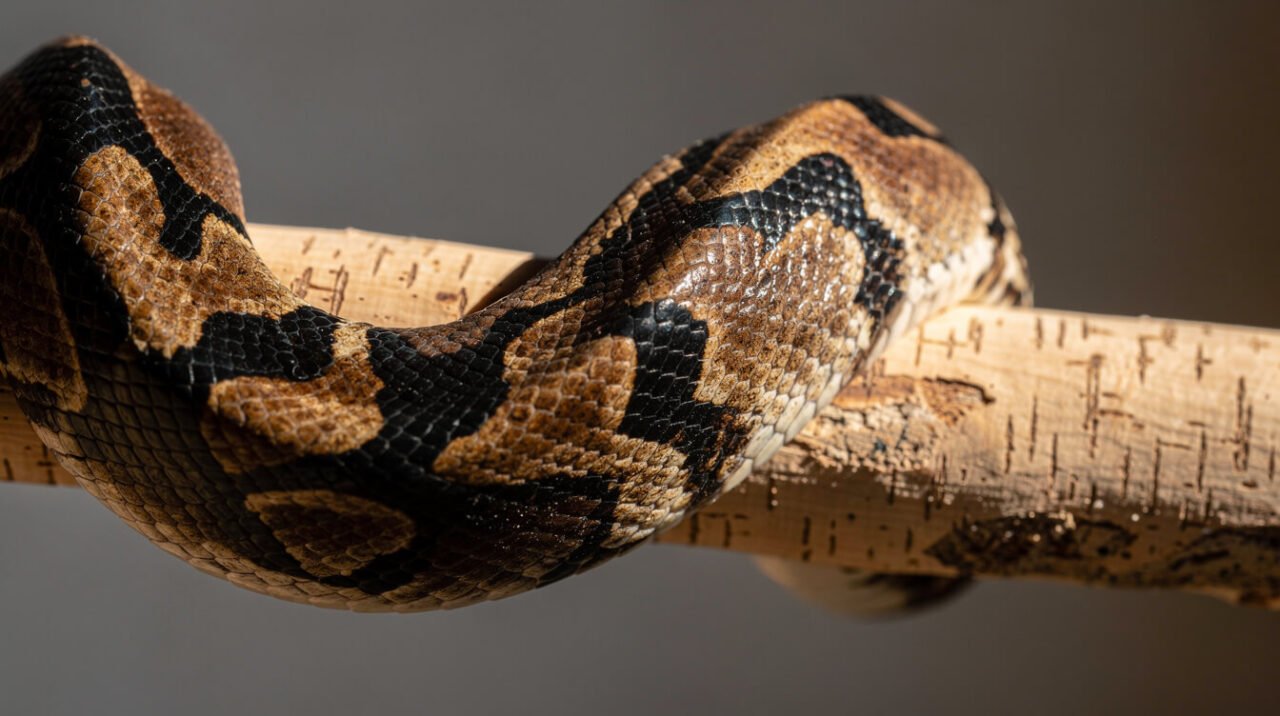
This is where ball python diet advice falls apart. Here’s what the guides currently ranking for this question actually say about prey size:
| Source | Prey-size rule |
|---|---|
| PetSmart | No larger than the widest part of the snake’s body (1×) |
| WebMD (vet-reviewed) | 1 to 1.25 times the snake’s midsection |
| Exotic Feeders (a feeder supplier) | 1.25 to 1.5 times the widest part |
| Zen Habitats; Swiftail exotic vet care sheet | No more than 1.5 times the widest point |
| Wilbanks Reptiles (a breeder) | 1.5 to 2 times the midsection |
| PetPlace (vet-written) | The prey’s head no larger than ¾ the diameter of the snake’s head |
A rodent twice the snake’s girth has roughly four times the cross-section of a rodent equal to it, so these rules aren’t close. Weight-based rules are a little more consistent. Zen Habitats suggests prey of about 10% of the snake’s body weight. ReptiFiles says 10 to 15%. Exotic Feeders starts at 10 to 15% in the first year and tapers to about 7% and then 5% as growth slows.
Why the girth rules disagree
“Width” is hard to measure on a snake. A relaxed ball python flattens its body, while a nervous one bunches up. A thawed rodent is soft and compresses as it’s swallowed, so “1.5 times as wide” depends on whether you’re picturing the rodent fluffed up or squeezed. The girth rules are eyeball estimates. The weight rules use a number you can read off a kitchen scale.
How we’d choose
- Weigh the snake and pick prey by weight. Use about 10% of body weight as the starting point for a growing snake, and less for an adult that’s maintaining. Frozen feeder suppliers list weights for each size.
- Use girth as a ceiling, not a target. If the prey you picked by weight is clearly fatter than the snake’s thickest point, size down. We’d stay within the 1 to 1.5 times range that most sources share, and leave the 2× end alone.
- Watch the result. A modest, visible lump after a meal is normal. Regurgitation is not. Vet sources list oversized prey as one of the common causes. If your snake brings up a meal, go smaller next time and talk to your vet if it happens again.
How often to feed a ball python, by age and weight
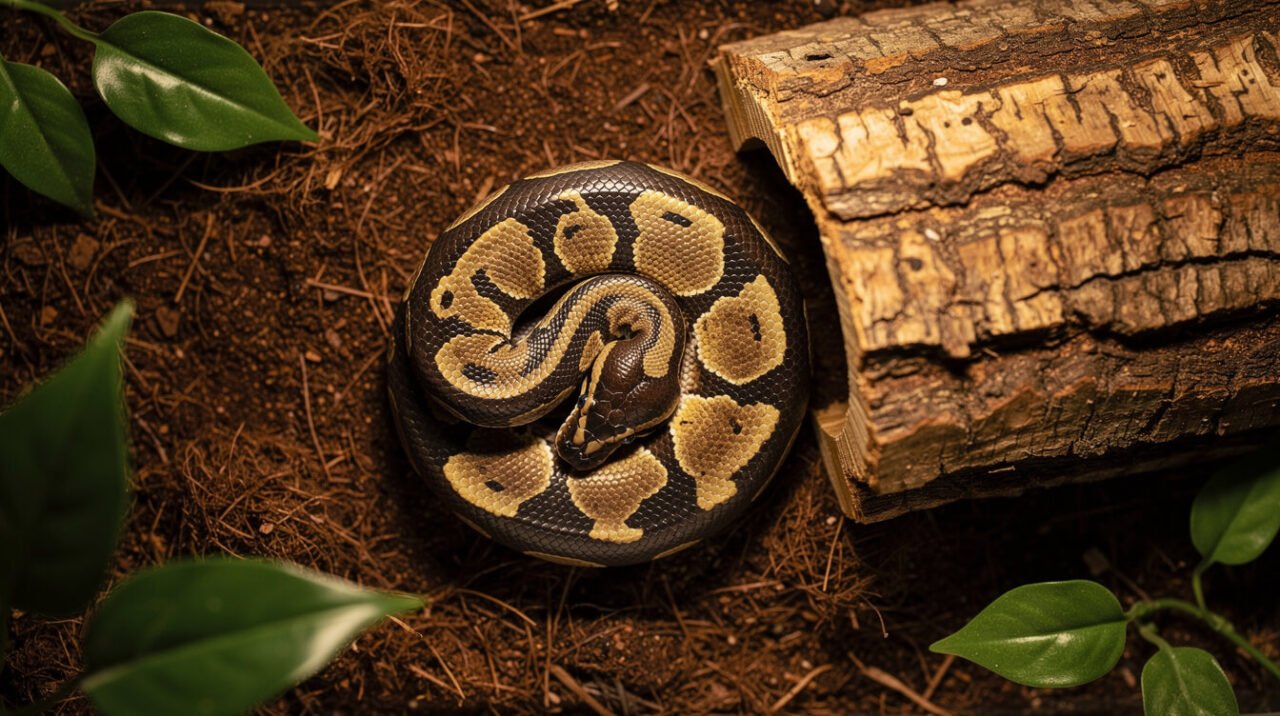
Feeding frequency is the second place ball python diet charts split. Here’s how the same sources compare:
| Source | Young snakes | Adults |
|---|---|---|
| PetSmart | Weekly for the first 2–3 years | Every 10–14 days |
| WebMD | Every 5 days (small or young) | Every 1–2 weeks |
| Wilbanks | Hatchlings every 5–7 days; juveniles every 7–10 | Every 10–21 days |
| Zen Habitats | Hatchlings every 5 days; under 200 g weekly; 350–500 g every 10–14 days | 500–1,500 g every 2–3 weeks; over 1,500 g every 4–6 weeks |
| Exotic Feeders | Year one: 10–15% of body weight every 7 days | Year two: up to 7% every 10–15 days; year three: up to 5% every 15–20 days |
Size and frequency are one decision
Comparing intervals alone is misleading. An adult fed a big meal every five weeks can eat as much as one fed a small meal every two weeks. So we did the arithmetic for a 1,500 g adult using the two sources that give both a meal size and an interval:
- Zen Habitats: a 10% meal (about 150 g) every 4–6 weeks works out to roughly 25–38 g of prey per week.
- Exotic Feeders, year three: up to 5% (about 75 g) every 15–20 days works out to roughly 26–35 g per week.
The schedules look nothing alike, but they feed almost the same amount. Both come to roughly 2% of body weight per week for an adult. For a young snake in its first year, both start at about 10% a week. That’s the useful takeaway. Growing snakes eat a lot relative to their size, and adults need only a fraction of that to hold their weight. Most overfeeding happens when a keeper keeps a juvenile schedule going into adulthood.
This is our arithmetic on their published numbers, not a study. Treat it as a way to check a schedule, not a prescription. If you aren’t sure where your snake sits, our guide to how big ball pythons get covers typical weights by age and sex.
A sensible starting rhythm
Hatchlings and small juveniles are usually fed about every 5–7 days. Growing snakes move to every 7–14 days. Adults are typically fed every 2–4 weeks, with smaller meals more often or larger meals less often. Feed in the evening, when ball pythons are naturally active. Several sources (ReptiFiles and Wilbanks) like a little variation in timing rather than the same hour every week. As NW Reptiles says of its own chart, any schedule is “a starting place, not an absolute.” The snake’s body condition gets the final say.
Frozen-thawed vs. live, and how to thaw prey safely
Almost every source we checked recommends frozen-thawed prey, and so do we. Live rodents bite and scratch, and a snake that isn’t hungry can be badly hurt by prey left in its enclosure. The Swiftail exotic vet care sheet also calls live feeding “inhumane to the feeder animal.” Frozen prey is killed humanely before you ever see it. Most captive-bred ball pythons take frozen-thawed food readily, especially if they’ve eaten it from the start. PetSmart says the snakes it sells are already on frozen-thawed rodents.
If your snake truly refuses everything but live prey, work with a reptile vet or an experienced keeper on switching it over. Until then, never leave a live rodent in the enclosure unsupervised. ReptiFiles suggests removing it if it isn’t eaten within 15 to 30 minutes, and warns never to stun a live feeder.
Thawing safety: the part most guides skip
Frozen feeder rodents can carry Salmonella, and freezing does not kill it. After a UK outbreak that especially affected children, researchers tested 295 frozen feeder mice from the supplier involved. They found Salmonella in 28.8% of batches, and the contamination was mostly on the outside of the carcass (92.3% of positives, vs. 26.9% in the organs) (Marin et al., 2018). US outbreaks have also been traced to feeder rodents. That external contamination means the risk mostly comes from handling and thawing, which is the part you control.
A safe routine, built from the CDC’s feeder-rodent guidance and ReptiFiles’ method:
- Thaw in a container used only for this, kept away from human food. ReptiFiles thaws in the fridge overnight. If you do that, use a sealed container on a shelf away from your food.
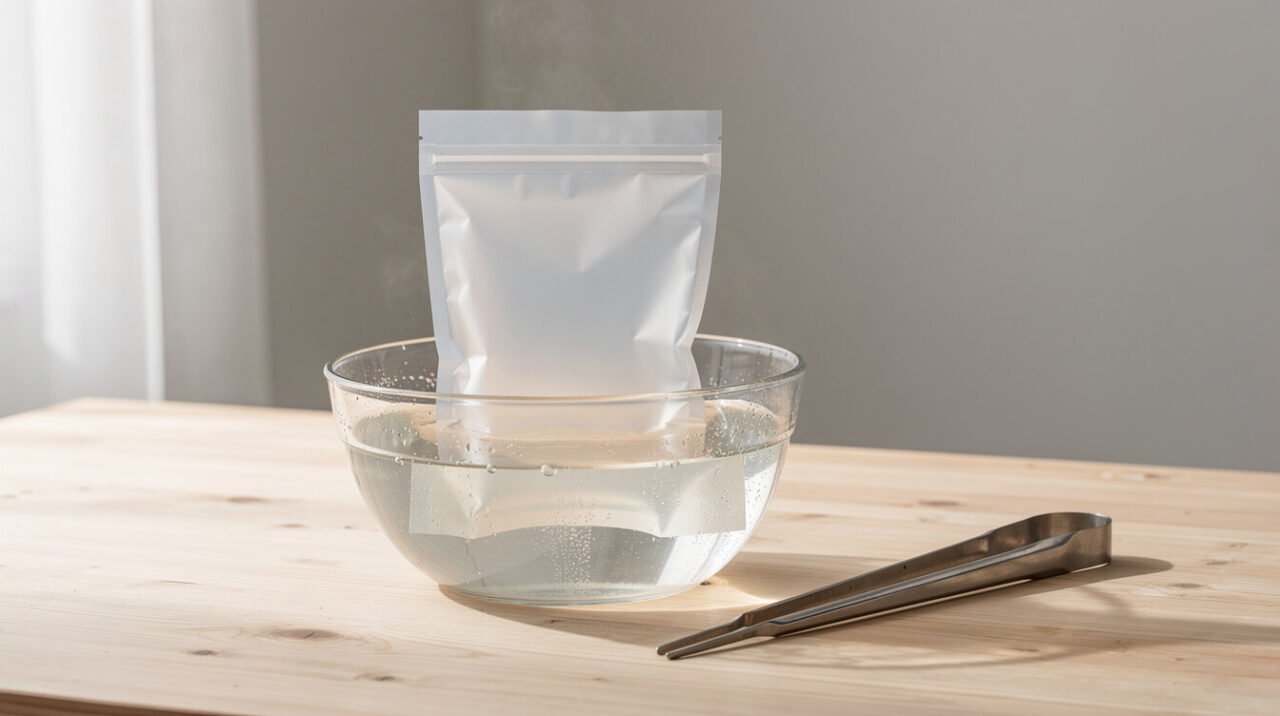
- Warm it in a sealed plastic bag in warm (not boiling) water for about 15 to 30 minutes before feeding. ReptiFiles aims for roughly 98–100°F, close to a live rodent’s body temperature, and checks with an infrared thermometer. A cold center can put a snake off its food.
- Never use the kitchen sink or food-prep areas, and never thaw in the microwave. The CDC is explicit on both. Microwaving also heats unevenly and can leave hot spots.
- Offer it with long feeding tongs, so the snake strikes at the prey and not your hand.
- Wash your hands and disinfect anything the rodent touched. The CDC also advises that children under 5, adults 65 and older, pregnant people, and anyone with a weakened immune system shouldn’t handle feeder rodents.
Feed inside the enclosure or in a separate tub?
Sources split here too. XYZ Reptiles suggests a separate feeding container. ReptiFiles and Wilbanks say to feed inside the enclosure, where the snake feels secure. We side with feeding inside. Moving the snake back after it eats means handling it on a full stomach, and the vet-written PetPlace guidance says not to handle a snake for 48 hours after a meal. If you’re worried about substrate sticking to the prey, offer it with tongs or set it on a flat dish or paper towel. PetPlace notes that bedding swallowed with prey can cause blockages.
The weekly care guide
Get it right for your animal, every week
One email a week: new care guides, species deep-dives, and the safety answers keepers search for, written by our specialists. No spam. Unsubscribe anytime.
Body condition: your scale is more honest than any chart
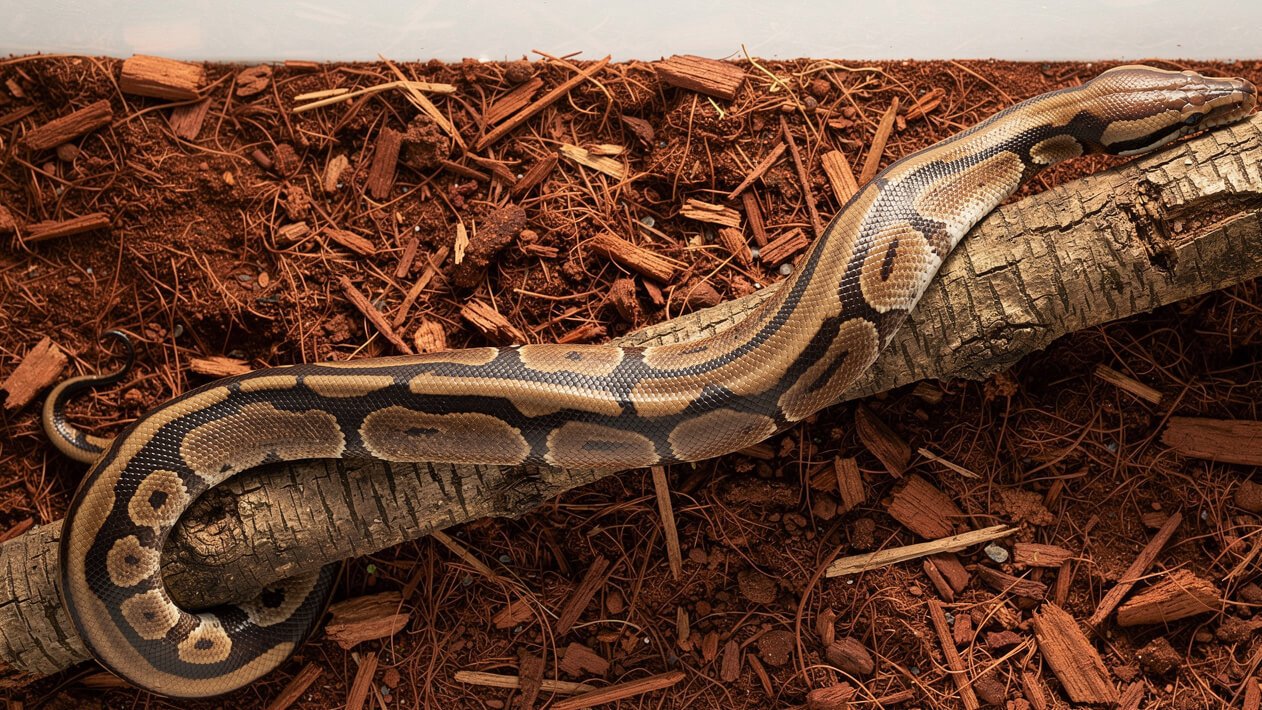
Every chart is a starting point. Your snake’s body tells you whether its ball python diet is working. ReptiFiles gives the most useful mental picture: a healthy ball python’s cross-section looks like a melted chocolate kiss, rounded on the sides with a gentle peak along the spine. A sharp, prominent spine means the snake needs more food. If you can’t see any spine at all, it needs less.
Why overfeeding is the more common problem
Underfeeding is easy to notice. Obesity creeps up, and reptile vets see a lot of it. Reptiles store much of their fat internally rather than under the skin, so an overweight snake can look merely “solid” for a long time, as Dr. Eric Los Kamp explains in his clinic’s Reptile Rounds column. Veterinary Partner (VIN) calls overfeeding the single most important risk factor for fatty liver disease in reptiles. Obesity is one of the quieter things that can shorten a ball python’s life, which we cover in how long ball pythons live.
Signs that ReptiFiles lists for an overweight ball python include:
- Skin showing between the scales, or scales that wrinkle or fold, when the snake hasn’t just eaten
- Fat rolls behind the head or near the vent
- A round, tube-like body with no visible spine
- A body that feels soft or squishy rather than firm and muscular
Weigh, write it down, and adjust slowly
A digital kitchen scale is the most useful feeding tool you can own. Weigh young snakes every week or two and adults at least monthly, and keep a simple log of weights and meals. If your snake is trending heavy, size down or space out meals gradually. Dr. Los Kamp warns that crash diets are risky for obese reptiles, because fat moving out of the liver too quickly can cause problems of its own. If you aren’t sure, a reptile vet can assess body condition in person and set a target.
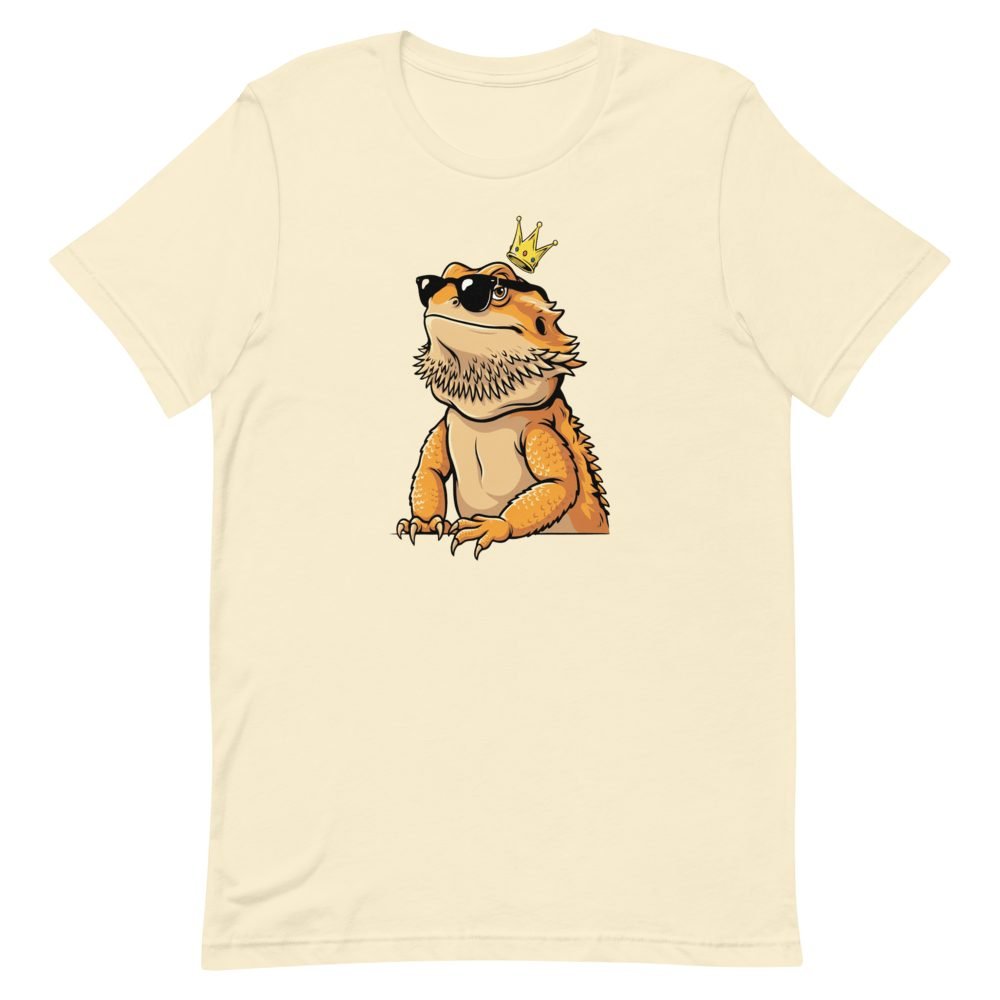
Movement helps too. A properly sized enclosure with climbing branches, several hides, and room to stretch out gives a ball python reasons to move between meals. It’s one of the reasons we push for bigger setups in our guide to keeping a ball python as a pet. A few changes to the layout every so often keep the space interesting. And if your reptile room also includes a bearded dragon, our Bearded Dragon Crown Sunglasses King T-Shirt is a fun way to wear the hobby while you wait out a picky eater.
When a ball python won’t eat: normal fasts vs. reasons to call your vet
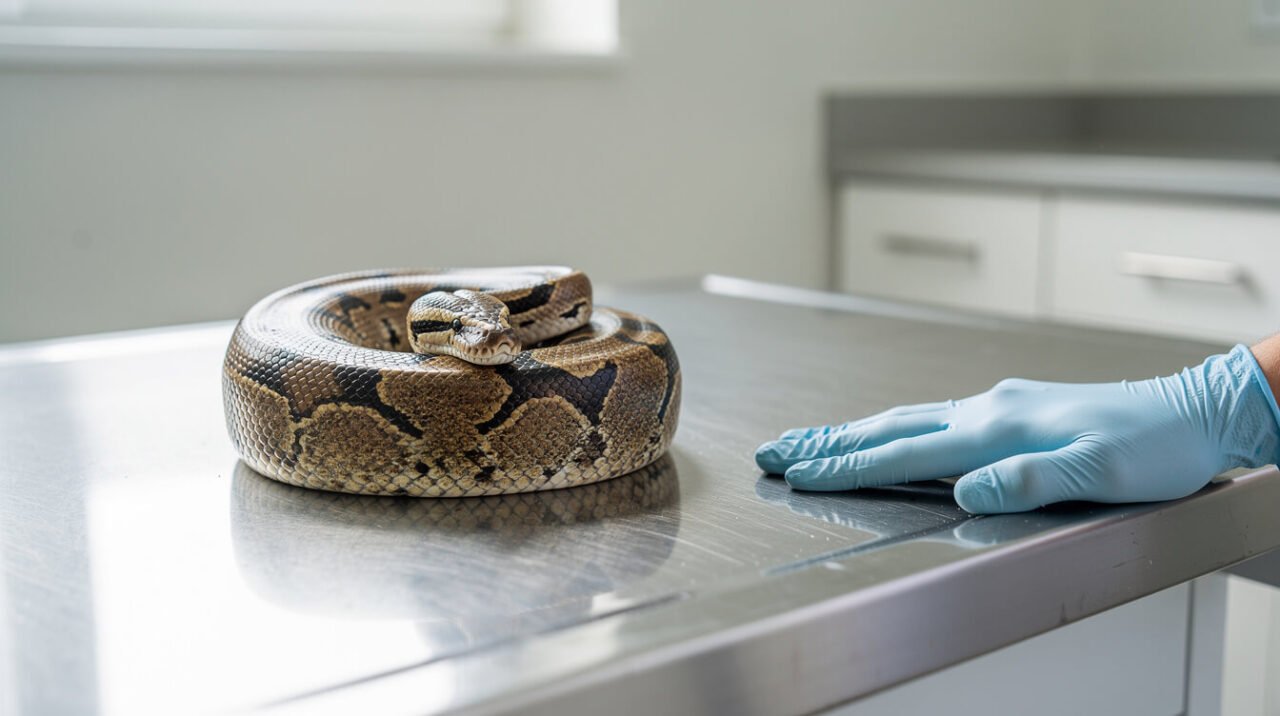
Ball pythons are famous for skipping meals, and most fasts are normal. Snakes are built for it. In a 168-day starvation study that included ball pythons, the snakes lowered their resting metabolism by up to 72% and burned stored fat while sparing protein (McCue, 2007). That was a lab experiment, not a care target, but it explains why a healthy adult can go weeks without food and come through fine.
Common, usually harmless reasons for a fast
- A new home. PetSmart notes many snakes won’t eat for the first 1–2 weeks after a move. Give a new snake time to settle before you offer food.
- An upcoming shed. Dull skin and cloudy, bluish eyes often mean a snake will refuse food until the shed is done.
- Season and breeding. Adults often eat less in cooler months. Males may fast during breeding season, and ReptiFiles describes young females around 1,000 g that famously stop eating for a while.
- Setup problems. Wrong temperatures, too little humidity, too few hides, or too much disturbance. Check the warm side with a thermometer, not by touch.
- The prey itself. Prey that’s too big, too cold, or unfamiliar can be refused. WebMD suggests offering the same food the breeder used.
The 10% rule, and its limits
ReptiFiles, Zen Habitats, and Wilbanks all say a fast isn’t a concern as long as the snake hasn’t lost more than about 10% of its body weight. None of them cite a source for that number. It’s long-standing hobby consensus, and it’s a reasonable rule of thumb for a healthy adult in good condition. It’s less helpful for a hatchling, a juvenile, or a snake that was already thin. Those animals have smaller reserves, so we’d involve a vet sooner. PetSmart’s rule is more cautious: review the setup after two refused meals, and see a reptile vet after three.
When to see a reptile vet
Refusing food can also be a symptom. In one study, ball pythons that had a surgical procedure took about three weeks to return to normal feeding, which suggests that a snake that stops eating may be in pain (James et al., 2017). Contact a reptile veterinarian if your ball python:
- Keeps losing weight, or a young or thin snake refuses more than a couple of meals
- Regurgitates more than once, or seems distressed when it brings food up
- Has bubbles or mucus at the mouth or nose, open-mouth breathing, or wheezing
- Is unusually limp, lethargic, or has swellings, wounds, or abnormal droppings
- Stops eating along with any other change you can’t explain
We can help you understand feeding, but only a vet can examine your snake and find out why it isn’t eating. If a regurgitation does happen, PetPlace’s vet guidance is to let the snake rest for several days before offering a smaller meal.
The small things: supplements, water, and handling after meals
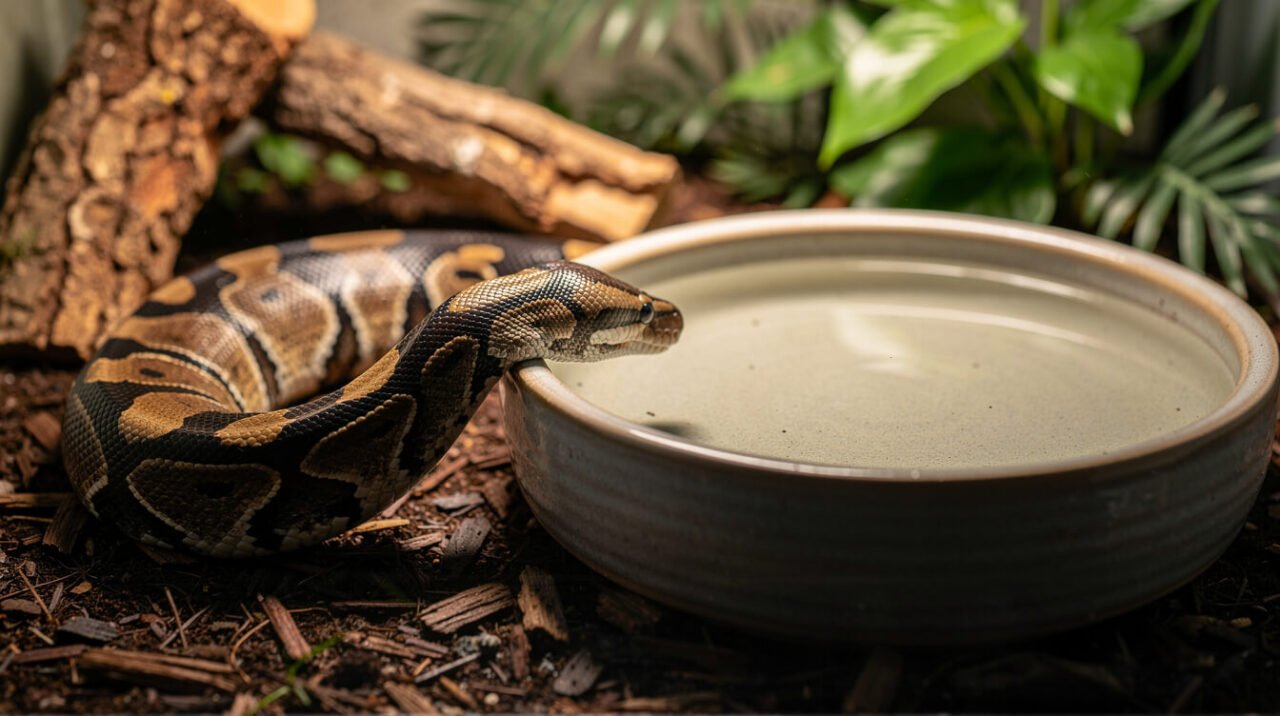
Once prey, size, and schedule are sorted, a few smaller details round out a good ball python diet.
Do ball pythons need supplements?
Here, too, the sources lean different ways. The Swiftail exotic vet care sheet says ball pythons don’t need supplements, though an all-in-one calcium and multivitamin about once a month “is not a bad idea.” ReptiFiles recommends occasional light dusting because commercially bred feeders may be lower in some nutrients, such as vitamin D, than wild prey. Zen suggests an occasional light dusting too. Everyone agrees that whole prey is the foundation and that any supplement should be light and occasional. If you want to add one, ask your reptile vet which product fits your setup, particularly whether you use UVB lighting.
For the reptile room that’s more than one species
Keep a bearded dragon alongside your python? The Bearded Dragon Crown Sunglasses King T-Shirt is a soft, everyday tee for keepers who are a little obsessed, in the best way.
Water
Ball pythons should always have a bowl of clean water large enough to soak in. It also helps hold humidity. Change it every few days, and right away if it’s soiled. If your snake soaks constantly, check humidity and look for mites, since Zen Habitats flags both as common reasons.
Leave a fed snake alone
After a meal, give your snake at least 48 hours without handling. PetPlace lists handling too soon as a leading cause of regurgitation, alongside temperatures too low for digestion. Ball pythons digest best with a reliable warm spot. The Swiftail care sheet specifically recommends belly heat to support digestion. For the full temperature and humidity picture, see our complete reptile care guide and the setup section of our ball python ownership guide.
Ball python diet FAQ
What is the best food for a ball python?
Appropriately sized, frozen-thawed rats or mice from a reputable supplier. They’re nutritionally complete, consistent, and safer for the snake than live prey. Occasional chicks, quail, or African soft-furred rats can add variety if your snake accepts them.
Can ball pythons eat eggs, insects, or fish?
Don’t build a diet around them. In the one detailed field study of wild ball python diets, every prey item was a bird or a mammal. Whole rodents and birds are what their bodies are built to use.
How long can a ball python go without eating?
A healthy adult in good condition can go weeks, sometimes a few months, especially in cooler seasons or during breeding. That doesn’t make long fasts a goal. Weigh the snake regularly, check the setup, and contact a reptile vet if it’s losing weight steadily, is young or already thin, or shows any other sign of illness.
Should I feed two mice or one rat?
If the total weight is similar, one larger prey item is generally the better choice. It’s less work to digest, and it’s how many keepers move a growing snake onto rats. Make sure it still passes the girth check.
Why does my ball python only eat at night?
Because it’s a nocturnal, ambush predator. Offer food in the evening, in a quiet room, and leave the snake alone after it strikes.
The bottom line
A good ball python diet doesn’t come from finding the one correct chart. It comes from understanding what the charts are measuring. Pick prey by weight and keep its girth reasonable. Feed growing snakes often and adults much less. Thaw prey safely, away from your own food. And let your snake’s body condition, logged on a simple kitchen scale, have the final say. Get those right, and you’ll have a well-fed snake and a lot less worry.
Before you go
Keep learning your animal
We publish a new guide every day. The best of them land in one short weekly email, so you never miss the one about your species.
Dr. Zoe Santos is a distinguished herpetologist and a revered expert in the care, conservation, and study of reptiles and amphibians. With a PhD in herpetology and over 18 years of field and academic experience, Zoe brings a depth of knowledge to her readers that is both rare and invaluable.