FAQ Friday: Does My Ball Python Need UVB Lighting?
The short answer: a ball python isn’t proven to need UVB the way a bearded dragon does. Many have lived long, healthy lives without it. But “not proven necessary” isn’t the same as “useless.” A low-strength UVB setup, done properly, is a reasonable upgrade. Here’s what the evidence actually says.
Why the “no UVB needed” view exists
Ball pythons are crepuscular. They’re most active at dusk and dawn, and they spend a lot of the day hidden in burrows. They also eat whole prey, and the prey’s own organs and tissues supply some vitamin D3. That’s why decades of keepers raised healthy snakes without UV lighting, and why our ball python setup guide lists UVB as optional.
What the studies found
The research is small, and it doesn’t all point the same way:
- Corn snakes (2008): in a Louisiana State University study of 12 snakes, the ones given UVB lamps for four weeks had far higher blood vitamin D3 than the snakes kept without.
- Burmese pythons (2018): four pythons kept under a UVB tube for about 10 months had considerably higher vitamin D3 afterward. The authors noted it’s still unknown whether that higher level actually benefits the snake.
- Ball pythons (2013): the one ball python study, from the University of Edinburgh’s vet school, found no association between UVB exposure and vitamin D3 or calcium levels after 70 days. Interestingly, the group that got UVB already had higher levels before the lamps were switched on.
So snakes can respond to UVB. Whether ball pythons gain a measurable health benefit just hasn’t been shown yet. There’s one more wrinkle: ball pythons have cones sensitive to ultraviolet light (Sillman et al., 1999). That pigment peaks in the UVA range, though, not UVB. So it tells us light matters to how they see, not that they need UVB specifically.
If you add UVB, do it this way
- Keep it low-strength. ReptiFiles recommends a low-output T5 HO tube aimed at a UV index of about 2.0–3.0 at the closest basking spot. A UV meter is the only reliable way to confirm that.
- Give your snake the choice. Cover most of the enclosure in shade and hides, so your snake can get out of the light whenever it wants. A shy, burrowing snake should never be stuck under a lamp it can’t escape.
- Follow the bulb maker’s distance guidance, and keep in mind that mesh tops block part of the output.
- Replace the bulb on schedule. UVB output drops long before the visible light fades.
For how UVB fits with heat gradients and thermostats across species, see our complete reptile care guide.
The weekly care guide
Get it right for your animal, every week
One email a week: new care guides, species deep-dives, and the safety answers keepers search for, written by our specialists. No spam. Unsubscribe anytime.
Wear the obsession
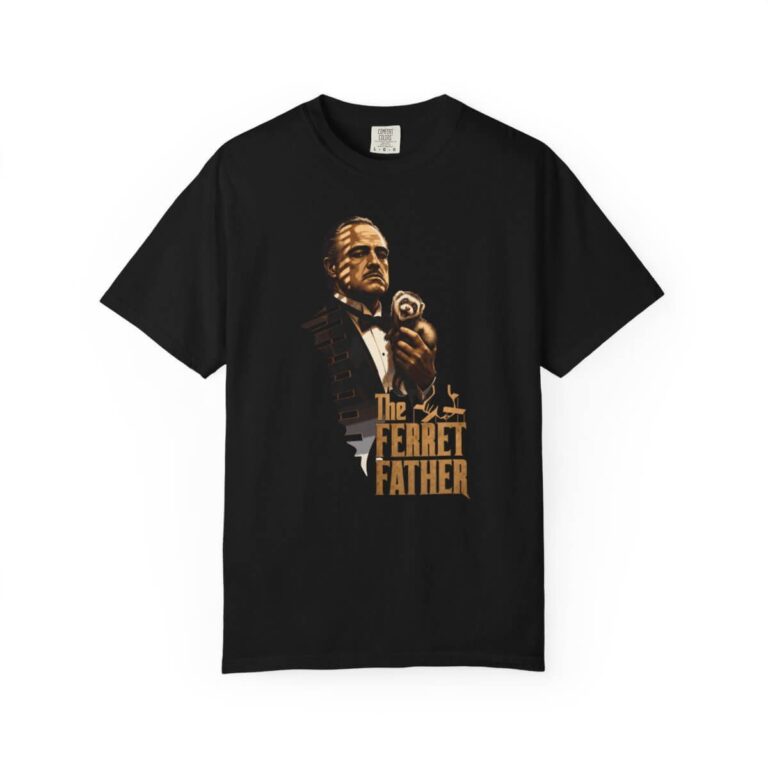
The Ferret Father Godfather Parody T-Shirt | Comfort Colors
Price range: $28.99 through $30.99
Shop this designThe bottom line
Skipping UVB isn’t neglect, and adding it isn’t a cure-all. Hides, a correct heat gradient, humidity, and whole prey matter far more. If you’re weighing UVB against diet supplements, ask your reptile vet. Using both together is the combination that most needs a professional’s eye.
Before you go
Keep learning your animal
We publish a new guide every day. The best of them land in one short weekly email, so you never miss the one about your species.
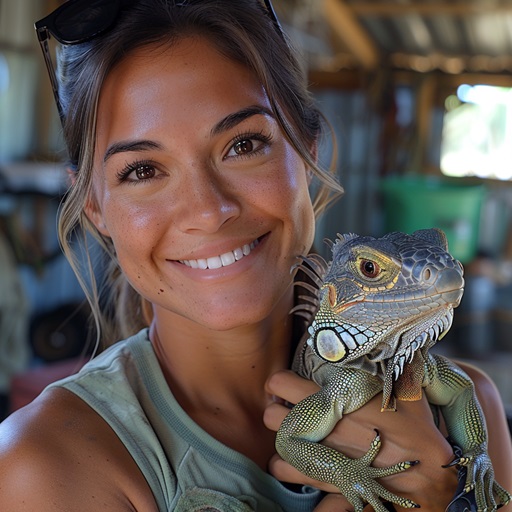
Dr. Zoe Santos is a distinguished herpetologist and a revered expert in the care, conservation, and study of reptiles and amphibians. With a PhD in herpetology and over 18 years of field and academic experience, Zoe brings a depth of knowledge to her readers that is both rare and invaluable.