
Can My Dog Eat Cooked Shrimp? The Real-World Dish-by-Dish Safety Guide
Can my dog eat cooked shrimp? The quick answer
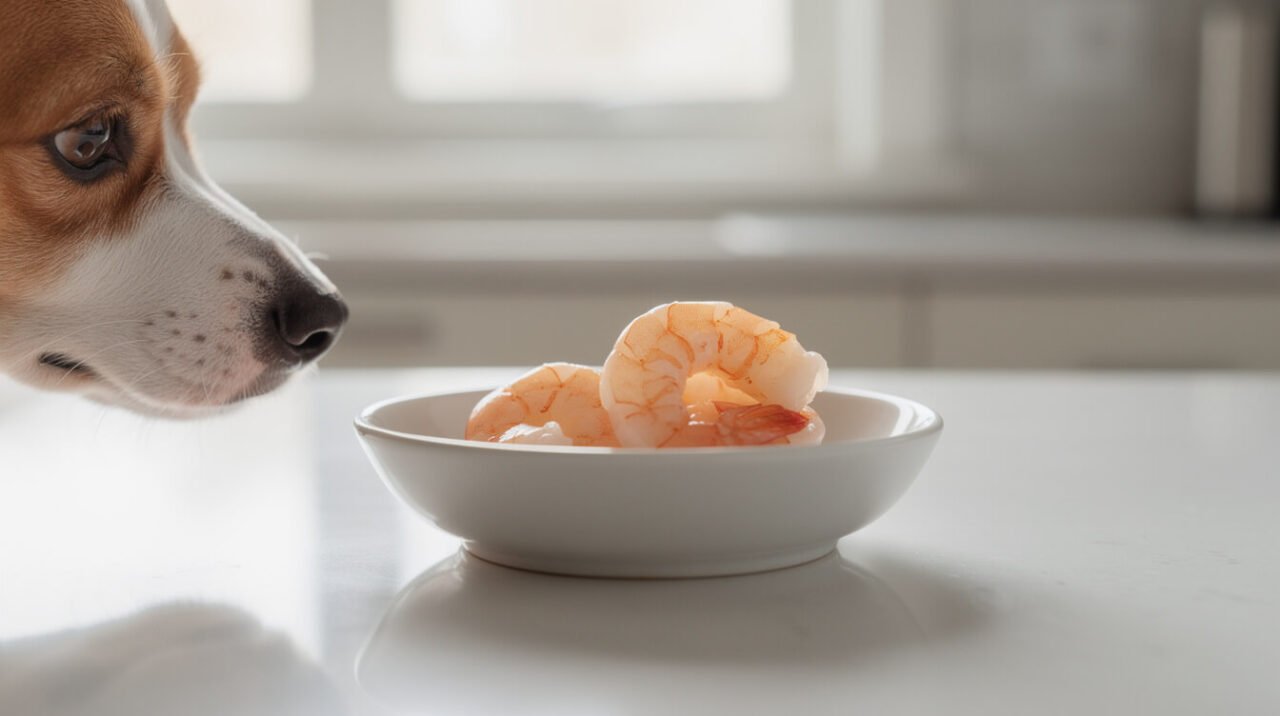
Yes — can my dog eat cooked shrimp has a genuinely reassuring short answer: plain, fully cooked, shell-free shrimp is safe for most dogs in small amounts. It’s lean, low in calories, and packed with protein and B12, which is why so many vets list it as an acceptable occasional treat rather than a food to avoid.
The catch is everything around the shrimp. A few bites of steamed, unseasoned shrimp is a very different food than the garlic-butter scampi on your dinner plate, the shrimp cocktail with its dipping sauce, or a handful of fried popcorn shrimp from the freezer aisle. If you came here because your dog just ate a piece of something shrimp-adjacent off your plate, skip ahead to the dish-by-dish breakdown below — that’s where the real risk usually lives.
Plain shrimp earns its reputation as a decent occasional treat honestly. It’s a lean source of protein with very little fat compared to most meats, and it carries a genuinely useful nutrient profile: vitamin B12 for nervous-system and metabolic health, phosphorus for bone maintenance, and a modest dose of antioxidants. None of that makes it a superfood your dog needs — a complete, balanced commercial diet already covers these bases — but it does explain why vets are comfortable with shrimp as a treat rather than treating it as an automatic “no” the way they would grapes or chocolate.
Shells, tails, and veins: the real choking and blockage risk
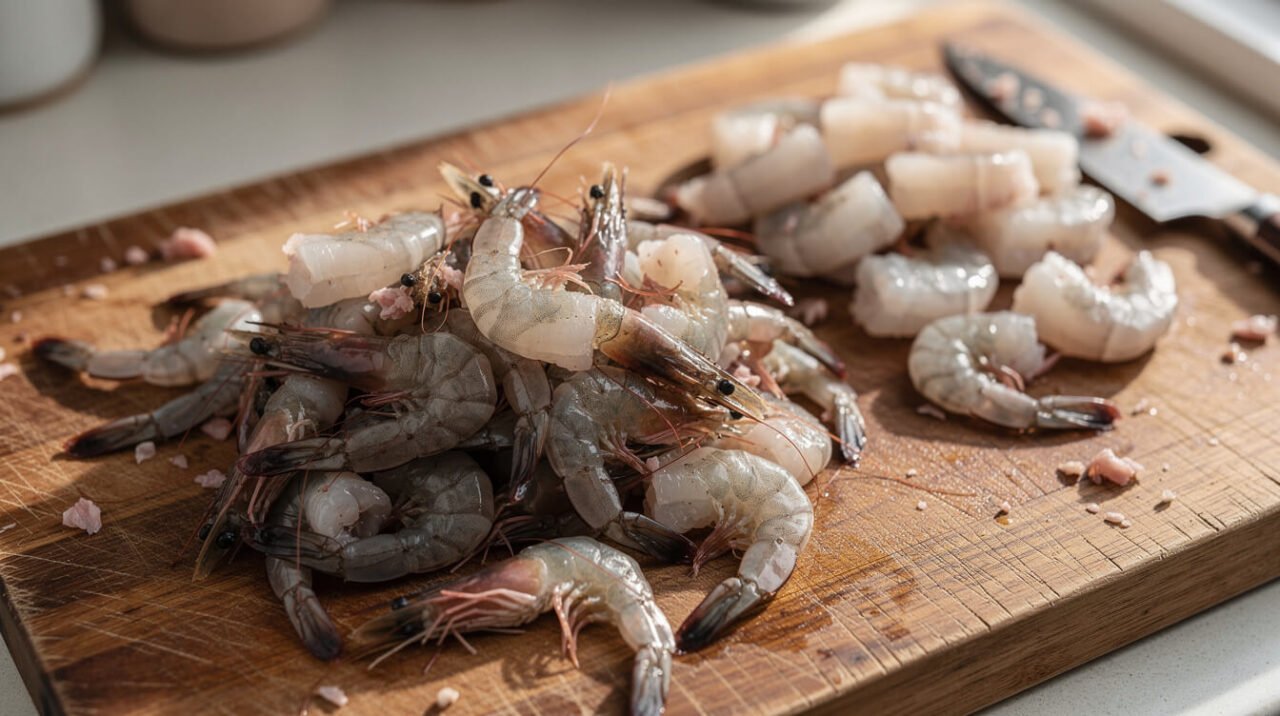
Before you think about seasoning or sauce, deal with the shell. Shrimp shells, tails, and the thin dark vein running along the back are the single most common way an otherwise-fine shrimp turns into a vet visit. Shells don’t break down the way soft food does — they’re stiff, sharp-edged, and can scrape the throat or esophagus on the way down.
Why shells are riskier than people expect
A shell fragment that gets swallowed whole doesn’t always come back up. It can lodge in the throat, causing gagging or pawing at the mouth, or make it further down and contribute to a partial blockage in the stomach or intestines — a risk that climbs sharply for small and toy breeds, whose digestive tracts are narrower to begin with. Even in larger dogs, repeated shell-eating (say, a dog who raids the trash after a shrimp boil) adds up.
The fix is simple and non-negotiable: remove the shell, tail, and vein completely before offering any shrimp to your dog, every time. Don’t rely on your dog to “just spit it out” — most won’t.
What to watch for if shell was swallowed
Mild gagging or a few uncomfortable swallows that resolve within a few minutes is usually not an emergency. Persistent gagging, drooling, pawing at the face, refusing food or water, vomiting, or visible distress warrants a call to your veterinarian right away — those are signs of a stuck fragment, not just an unpleasant bite.
Dish-by-dish: scampi, cocktail sauce, coconut shrimp, and popcorn shrimp — safe or not?
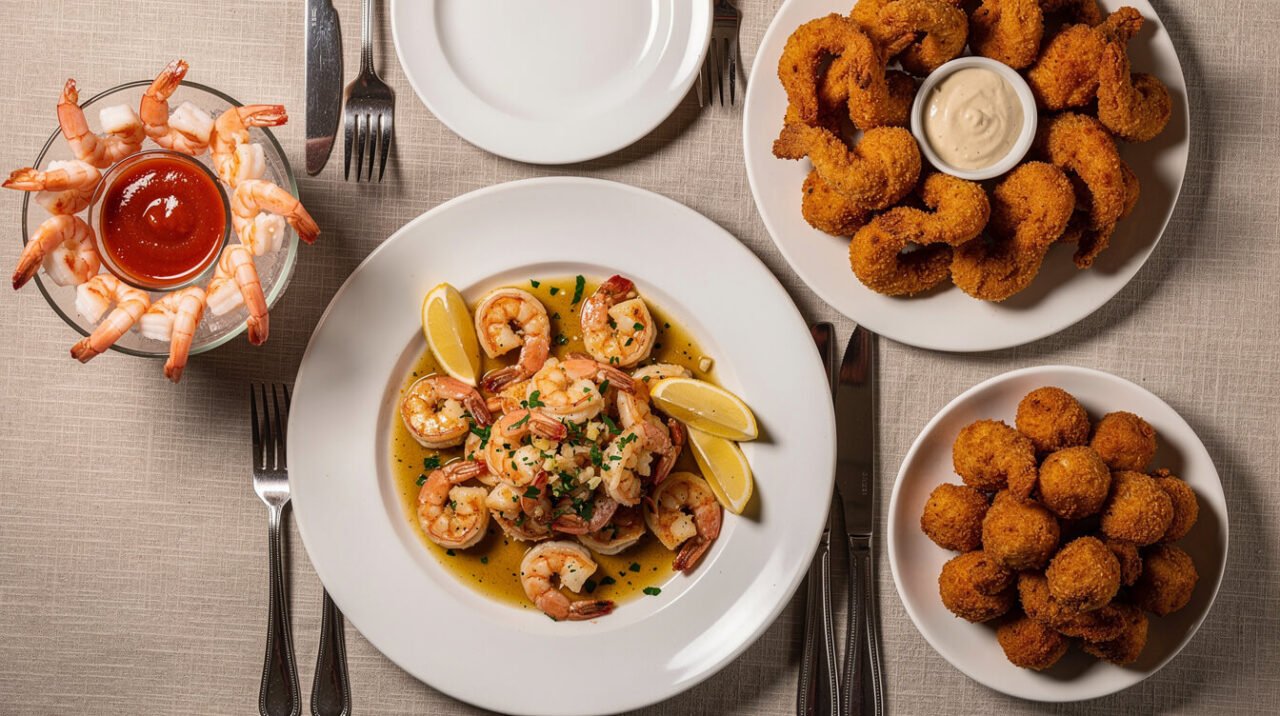
This is usually the actual question behind “can my dog eat cooked shrimp” — not the shrimp itself, but whatever it’s swimming in. Here’s the honest breakdown, dish by dish.
Shrimp scampi (garlic butter)
Skip it. Garlic and onion (and their powdered forms, which show up in almost every scampi sauce) are toxic to dogs — they damage red blood cells and can cause anemia with enough exposure. A small taste of sauce clinging to one shrimp is unlikely to poison a dog outright, but there’s no safe “small amount” worth building a habit around, and the butter adds unnecessary fat on top. If your dog snuck a lick, they’re probably fine — just don’t make a habit of sharing this dish, and call your vet if you’re ever unsure how much garlic was actually involved.
Shrimp cocktail (with cocktail sauce)
The shrimp itself is fine once rinsed of sauce; the cocktail sauce is the problem. It’s typically high in sodium and often contains onion or garlic powder and horseradish, none of which do your dog any favors. Give the plain shrimp, skip the sauce entirely.
Coconut shrimp
Coconut in small amounts isn’t the concern here — the breading, deep-frying, and often a touch of added sugar are. Fried, breaded foods are hard on a dog’s digestion and can trigger an upset stomach or, with a rich enough treat, contribute to pancreatitis in sensitive dogs. Not an emergency dish, just not a good one to share.
Popcorn shrimp (breaded and fried)
Same story as coconut shrimp: it’s the breading, frying oil, and salt doing the damage, not the shrimp underneath. Seasoned coatings can also sneak in garlic or onion powder — check the package or the recipe before assuming it’s safe.
Shrimp tempura and other fried preparations
Tempura batter is another fried, often salted coating, and restaurant tempura is frequently cooked in oil that’s shared with other foods your dog shouldn’t have. Treat it the same as coconut or popcorn shrimp: not an emergency if your dog steals a piece, but not something to offer on purpose.
Shrimp boil (Old Bay or Cajun seasoning)
A backyard shrimp boil is a common way dogs end up eating far more seasoned shrimp than anyone planned. Old Bay and similar seasoning blends are generally low-toxicity compared to garlic or onion, but they’re heavy on salt, and a boil often includes corn, potatoes, and sausage or sausage drippings in the same pot — all of which add up fast. If your dog raided the boil, the bigger concern is usually sodium overload and a greasy stomach upset rather than a single dangerous ingredient; watch for excessive thirst, vomiting, or lethargy over the following several hours.
Plain frozen or pre-cooked “salad shrimp”
The small, pre-cooked shrimp sold in bags at the grocery store are actually one of the easier safe options, provided they’re plain — check the label, since some are packed in a light brine or marinade. Rinse them under water before offering one to your dog, and you’ve got a convenient, mess-free version of the plain-cooked shrimp this whole guide is built around.
The pattern across all of these: plain, cooked, shell-free shrimp is the only version worth actually feeding on purpose. Everything your dog might see at a dinner table is a “no” for the sauce, batter, or coating — not necessarily the shrimp itself.
Allergies, cholesterol, and sodium: who should be extra careful

Shrimp is a shellfish, and like any new protein, it can trigger a food allergy in some dogs — watch for itching, hives, swelling, vomiting, or diarrhea the first time you offer it, and stop immediately if you see any of those. Introduce a small piece on its own the first time, not mixed into a bigger meal, so you can tell what’s causing a reaction if one shows up.
Reactions can show up within minutes or take a few hours to become obvious, so it’s worth keeping an eye on your dog for the rest of the day after a first taste, not just the first ten minutes. A true shellfish allergy isn’t extremely common in dogs, but it does exist, and it’s different from the more common short-term digestive upset that comes from any new food introduced too quickly or in too large a portion.
Shrimp is also relatively high in cholesterol and sodium compared to lean poultry or plain white fish. That’s not a reason to avoid it entirely for a healthy dog eating it occasionally, but it does mean a few groups should be more cautious:
- Dogs with a history of pancreatitis — rich or high-fat treats (especially anything fried) are a known trigger, and even shrimp’s natural cholesterol content is worth discussing with your vet if your dog has had a flare-up before.
- Dogs on a sodium-restricted diet — including some dogs with heart or kidney conditions — should skip shrimp unless your vet specifically clears it, since even a “reasonable” portion adds meaningful sodium for a dog whose diet is already being carefully managed.
- Dogs with existing high cholesterol or related metabolic conditions — again, a conversation with your vet before making shrimp a regular thing, not necessarily a hard no.
If your dog has any ongoing health condition, the safest move is always to run a new food by your veterinarian before offering it — they know your dog’s bloodwork and history in a way a general guide never can.
The weekly care guide
Get it right for your animal, every week
One email a week: new care guides, species deep-dives, and the safety answers keepers search for, written by our specialists. No spam. Unsubscribe anytime.
Raw vs. cooked: why preparation matters more than the shrimp itself
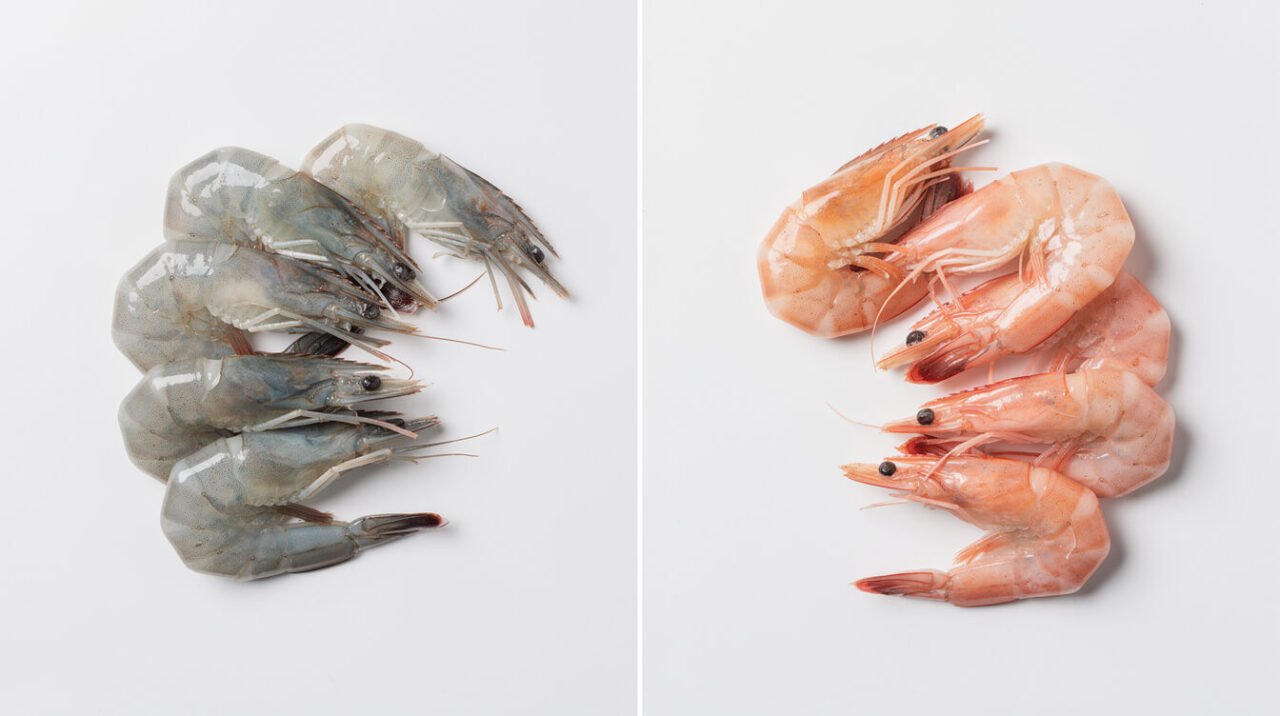
Only ever feed your dog shrimp that’s fully cooked. Raw or undercooked shellfish can carry bacteria and parasites that pose a real risk to dogs, just as they do to people who eat raw seafood — cooking shrimp through kills off those pathogens.
How you cook it matters too. Steamed, boiled, or plainly grilled shrimp with no seasoning is the gold standard. Skip butter, oil, salt, garlic, onion, and spice blends entirely — a plain-cooked piece is genuinely more appealing to most dogs than you’d think, and it keeps the treat firmly in “healthy occasional snack” territory rather than “rich people-food indulgence.”
If you’re cooking shrimp for your own dinner and want to set a piece aside for your dog, cook that piece before you add any seasoning to the batch, or cook a separate plain piece just for them. It takes an extra minute and removes almost all the guesswork above.
This is also why sushi and raw seafood bars are worth avoiding for dogs entirely — beyond the raw-shellfish risk, sushi rolls often include sauces, roe, or seasoning that add their own separate problems. If your dog gets into raw shrimp or sushi unsupervised, it’s not necessarily an emergency, but it’s worth a call to your vet to talk through what else was in the dish and whether any monitoring is warranted.
How much cooked shrimp can my dog eat, and how often?

Shrimp is a treat, not a meal replacement, and the general treat guideline applies: treats of any kind — including shrimp — shouldn’t make up more than roughly 10% of your dog’s daily calories, with the rest coming from a complete and balanced regular diet. For most adult dogs, one or two pieces of plain cooked shrimp, offered occasionally rather than daily, comfortably fits that guideline.
Smaller and toy breeds should get proportionally less — think a partial piece rather than a whole one — both because of their smaller calorie needs and because any shell fragment risk discussed earlier is more serious for them. Puppies can typically have a small taste of well-cooked, plain shrimp once they’re established on solid food, but check with your vet first, especially if your puppy has a sensitive stomach.
There’s no universal “safe number of shrimp per week” that applies to every dog — a 90-pound Labrador and a 6-pound Chihuahua don’t share a portion size, and a dog with any of the health considerations above may need a different answer entirely. Your veterinarian, who knows your dog’s weight, diet, and health history, is the right person to fine-tune the exact amount for your dog specifically.
It’s also worth treating shrimp as one rotating option among several safe treats rather than a daily go-to. Variety keeps any single ingredient — even a generally safe one — from becoming a disproportionate share of your dog’s diet, and it makes it easier to spot which food is responsible if a sensitivity ever does show up.
A quick FAQ on common shrimp questions:
Can dogs eat shrimp tails or shells if they’re crushed up?
No — crushing doesn’t remove the risk. Small, hard fragments can still scrape the throat or contribute to a blockage. Remove shells and tails completely, every time.
Is shrimp good for dogs with sensitive stomachs?
Plain cooked shrimp is often gentler than fattier proteins, but any new food can cause a temporary upset in a sensitive dog. Introduce a small amount first and watch how they do.
Can dogs eat imitation shrimp or “krab”?
It’s not toxic, but imitation shellfish is processed, often high in sodium, and sometimes contains added flavorings your dog doesn’t need. Real, plain-cooked shrimp is the better choice.
Can dogs eat shrimp chips or shrimp-flavored snacks?
Best avoided as a regular thing. Most shrimp chips and shrimp-flavored crackers are fried or heavily processed, high in sodium, and contain little to no actual shrimp — you’re not getting the protein benefit, just the salt and fat drawbacks discussed throughout this guide.

Wear the obsession
Bearded Dragon Crown Sunglasses King T-Shirt
Price range: $24.99 through $26.99
Shop this designWhen to call your vet

Most shrimp mishaps — a stolen bite of scampi, a swallowed shell fragment that passes without issue — resolve on their own. Call your veterinarian promptly if your dog shows any of the following after eating shrimp or a shrimp dish:
- Persistent gagging, drooling, or pawing at the mouth or throat
- Repeated vomiting or vomiting that continues beyond the first attempt to clear something
- Diarrhea, lethargy, or refusing food and water for more than a few hours
- Swelling of the face or muzzle, hives, or difficulty breathing (possible allergic reaction — treat as an emergency)
- Signs of abdominal pain — a hunched posture, restlessness, or a visibly bloated belly
None of this is meant to diagnose what’s going on with your dog specifically — if you’re ever unsure, a quick call to your vet or an emergency clinic is always the right move, not an overreaction. Keep in mind how much your dog ate and what it was cooked or served with (garlic butter, cocktail sauce, a full shrimp boil) when you call — that context helps your vet figure out whether they’re watching for a shell obstruction, a garlic-related issue, sodium overload, or simple stomach upset, since each points toward a slightly different plan.
If your regular vet’s office is closed, most areas have a 24-hour emergency animal hospital, and the ASPCA Animal Poison Control Center (a phone consultation, for a fee) is a reliable resource if you suspect your dog ate something more concerning than plain shrimp, like a large amount of garlic-heavy sauce. When in doubt, it costs nothing to call and ask.
Final thoughts: Plain, fully cooked, shell-free shrimp is a perfectly reasonable occasional treat for most healthy dogs — small, protein-rich, and easy to prepare correctly once you know the rules. The dishes built around shrimp are almost always the actual risk, not the shrimp itself, so the safest habit is simple: when in doubt, cook your dog their own plain piece rather than sharing off your plate. For more on rounding out what your dog eats day to day, take a look at our guides on whether dogs can eat breakfast sausage and olive oil safety for dogs, and if you’re building out a full feeding plan, our rundown on providing the best nutrition for your dog covers the fundamentals shrimp is just one small piece of.
Before you go
Keep learning your animal
We publish a new guide every day. The best of them land in one short weekly email, so you never miss the one about your species.

Meet Jake Harrington, your go-to guru for all things canine. With over 15 years of professional dog training experience, Jake has transformed the lives of thousands of dogs and their owners. His journey began in the bustling streets of a major city, where he discovered his natural affinity for understanding canine behaviors and communication.