How Long Do Axolotls Live? Lifespan, and What Actually Shortens or Extends It
So how long do axolotls live? A healthy, well-kept pet axolotl typically lives 10 to 15 years — sometimes longer with excellent care. Wild axolotls, by contrast, are thought to live only a fraction of that, closer to five years on average, based on the limited data researchers have. That gap isn’t random. It comes down to a handful of things a keeper actually controls: water quality, temperature stability, diet, and how much risk of injury or illness the animal is exposed to. Understand those four levers, and you understand why some axolotls thrive well into their teens while others don’t.
This guide walks through the short answer, why captivity and the wild produce such different numbers, and exactly what you can do — starting today — to stack the odds in your axolotl’s favor.
How long do axolotls live? The short answer
Most care sheets and experienced keepers put a healthy captive axolotl (Ambystoma mexicanum) at 10 to 15 years, with some individuals reportedly living a bit longer under excellent, stable conditions. That’s the range worth planning around — not a guarantee, but a realistic target for an animal kept in clean, cool, well-managed water with a steady diet.
Wild axolotls are a different story, and a harder one to pin down precisely. Because the wild population is small, scattered, and difficult to track long-term, researchers don’t have the kind of detailed lifespan data they have for lab or hobbyist populations. The commonly cited estimate is that wild axolotls live roughly five years on average — a fraction of what a well-cared-for captive animal can reach — largely because of predation, pollution, and a shrinking, degraded habitat.
Two to three times the lifespan, same species. That difference is the whole story of this article: it’s not really about the animal’s biology, it’s about the environment around it.
Why axolotls are built differently: a quick note on neoteny
Part of what makes axolotl lifespan such an interesting question is that axolotls don’t grow up the way most salamanders do. Almost all salamander species hatch as aquatic larvae with external gills, then metamorphose into a land-capable adult form — lungs take over, gills disappear, the body changes. Axolotls mostly skip that step. They reach sexual maturity and live out their entire lives in their larval-like form, gills and all, fully aquatic. Biologists call this neoteny, and it’s the single most distinctive thing about the species.
Neoteny is also part of why axolotls became such an important research animal — their regenerative abilities (more on that below) and unusual developmental biology have made them a fixture in genetics and regeneration research for over a century. For a keeper, the practical takeaway is simpler: because an axolotl never transitions to a land-based, air-breathing adult, its entire life happens in the water column you provide. There’s no “outgrowing” the aquarium setup the way some amphibians eventually do — the tank is the whole world, for the whole lifespan. That’s exactly why water quality and temperature carry so much weight in how long an axolotl actually lives.
Captivity vs. the wild: why the numbers differ so much
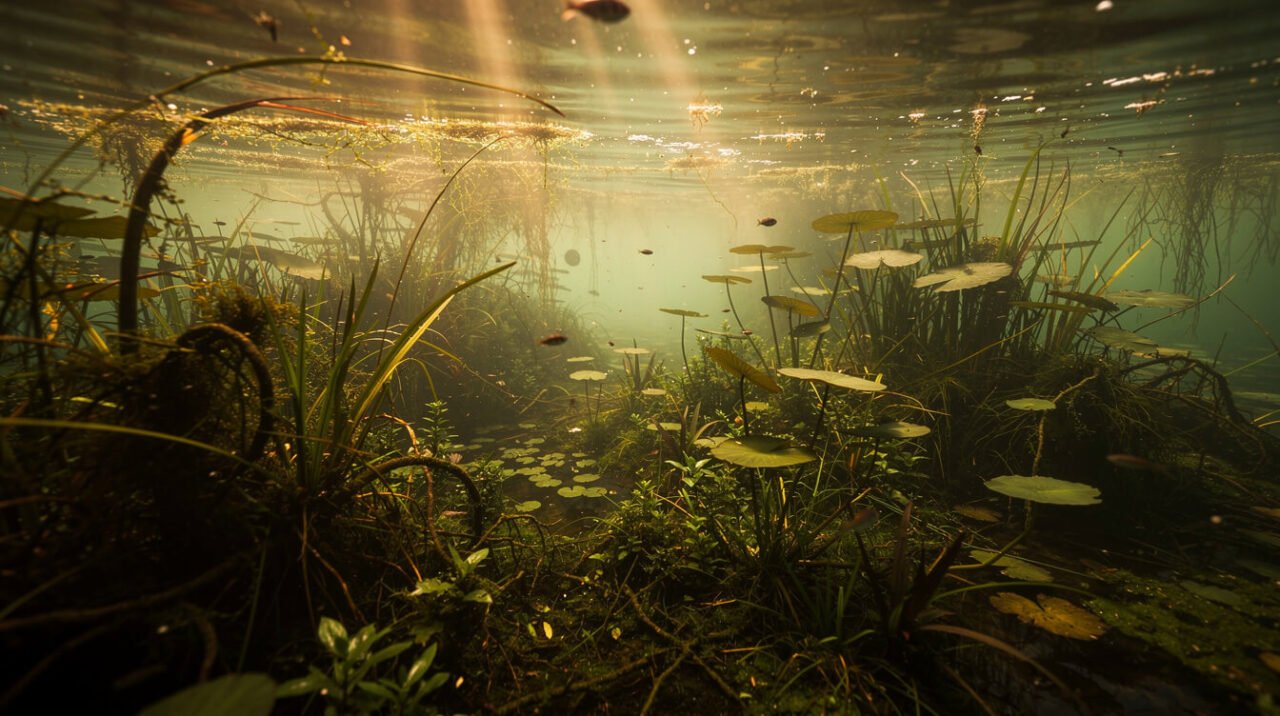
Axolotls are native to a single freshwater system near Mexico City — Lake Xochimilco, and formerly the now-drained Lake Chalco. That habitat has been shrinking and degrading for decades: urban water demand, pollution, and invasive predatory fish like tilapia and carp have all taken a toll. Wild axolotls today are considered critically endangered, and the same pressures that threaten the species as a whole are exactly what shortens individual lifespans — contaminated water, competition and predation for food, and no one stepping in when something goes wrong.
A pet axolotl faces none of that. Its water is filtered and monitored. Its food arrives on schedule instead of depending on what’s left after pollution and predators. If something looks off, a keeper can act. That’s the entire reason captive axolotls tend to live two to three times as long as their wild counterparts — not a different animal, just a dramatically more forgiving environment.
This is also why lifespan numbers you find online can vary so much from source to source. A figure describing a struggling, under-monitored wild population and a figure describing a well-documented captive one aren’t really measuring the same thing, even though they’re technically describing the same species. When you see a wide range quoted for axolotl lifespan, it’s worth asking which population — wild or captive — the number is actually describing.
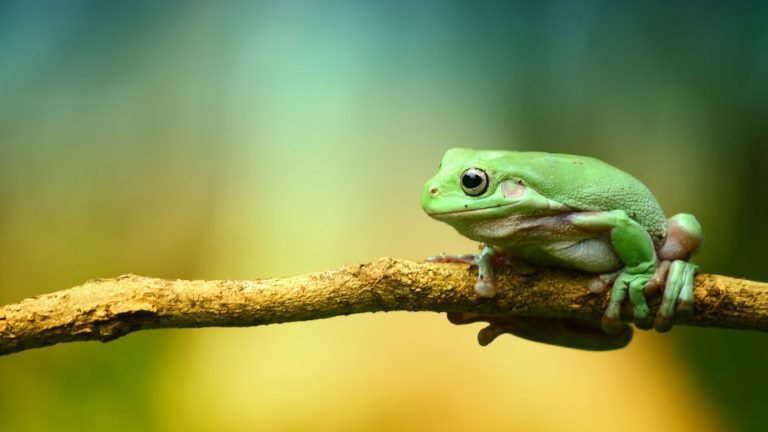
It’s a pattern that shows up across a lot of aquatic and amphibian pets, actually — we see the same captivity-vs-wild gap when people ask how long pet frogs live compared to wild ones. Controlled conditions consistently buy more years, provided the keeper actually holds up their end.
Water quality and temperature: the two biggest levers on lifespan
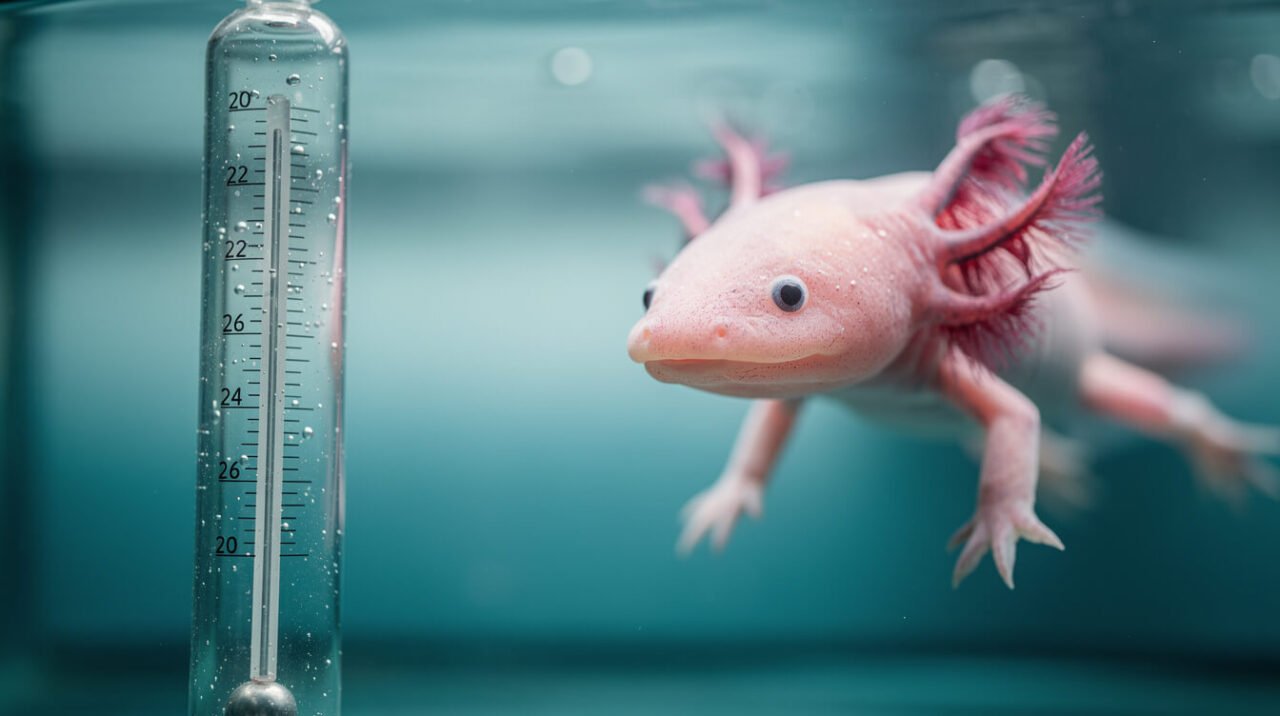
If you only optimize two things for your axolotl’s longevity, make it these.
Water quality
Axolotls are fully aquatic their whole lives and have a heavy bio-load for their size, meaning they produce a lot of waste relative to a typical fish. Once a tank is properly cycled, the target most care guides point to is 0 ppm ammonia, 0 ppm nitrite, and nitrate kept under roughly 20 ppm — with weekly partial water changes to keep nitrate from climbing. A “cycled” tank means the beneficial bacteria colony that converts ammonia into less-toxic compounds is already established; adding an axolotl to an uncycled tank is one of the most common beginner mistakes, since ammonia and nitrite are far more dangerous to the animal than nitrate ever is.
Persistently poor water quality is one of the most common, and most preventable, reasons captive axolotls develop stress-related illness. If you’re unsure what’s in your tap water, a home water test kit and a bit of research into your local water report go a long way before you ever add an animal — as does dechlorinating tap water and letting new plants or decor sit in a quarantine container rather than going straight into an established tank.
Temperature
Axolotls are ectothermic — their body processes are directly tied to the temperature of their water — and they do best kept cool, generally cited in the range of roughly 53–68°F (12–20°C). Warmer water isn’t just “less comfortable”: above their preferred range, appetite typically drops, stress rises, and the animal becomes more vulnerable to illness. A reliable way to keep temperatures stable (an aquarium chiller or, in a pinch, a clip-on fan across the water’s surface) matters more for axolotls than for most other common aquatic pets, since they don’t tolerate sustained warmth well. If your home runs warm for part of the year, plan for temperature control before bringing an axolotl home, not after.
The weekly care guide
Get it right for your animal, every week
One email a week: new care guides, species deep-dives, and the safety answers keepers search for, written by our specialists. No spam. Unsubscribe anytime.
Diet, growth, and long-term health
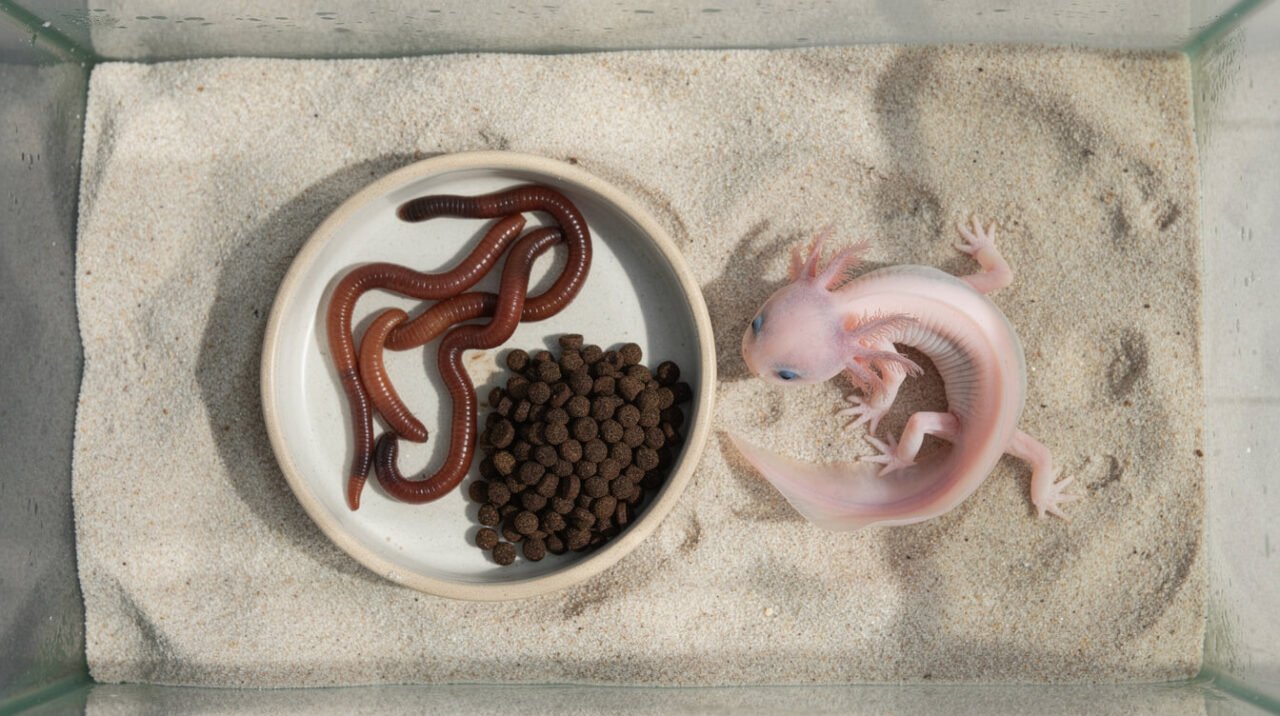
Axolotls are carnivores, and a good diet is built around foods like earthworms, bloodworms, blackworms, and high-quality sinking pellets formulated for the species. Consistency matters more than variety here — a steady, appropriately sized diet supports healthy, steady growth, while erratic feeding or the wrong foods can contribute to digestive issues over time.
As a general pattern, many keepers feed juveniles more frequently than adults, tapering off as growth slows and settling into a steadier adult feeding routine — the exact schedule matters less than watching the animal’s body condition and adjusting from there rather than following a rigid chart. Overfeeding is at least as common a problem as underfeeding: uneaten food fouls the water quickly, which loops right back into the water-quality risks above, so portioning food the axolotl will actually finish protects both its digestion and its tank.
One diet mistake worth calling out specifically: don’t use feeder fish like goldfish or minnows as a food source. Many of these species contain an enzyme called thiaminase, which breaks down thiamine (vitamin B1) and can lead to a deficiency if fed regularly. Feeder fish also carry a real risk of introducing parasites or disease, and even as tankmates they’re known to nip at an axolotl’s gills and slime coat. It’s a shortcut that tends to cost more than it saves.
As axolotls grow, keep an eye on body condition rather than chasing a specific size — a healthy axolotl should look neither gaunt nor visibly swollen, with steady, unhurried growth. If you ever notice a sudden change in appetite, growth, or behavior, that’s worth a call to a veterinarian experienced with aquatic or exotic species rather than guessing.
Tank mates, injury, and illness: the risks that cut lifespans short
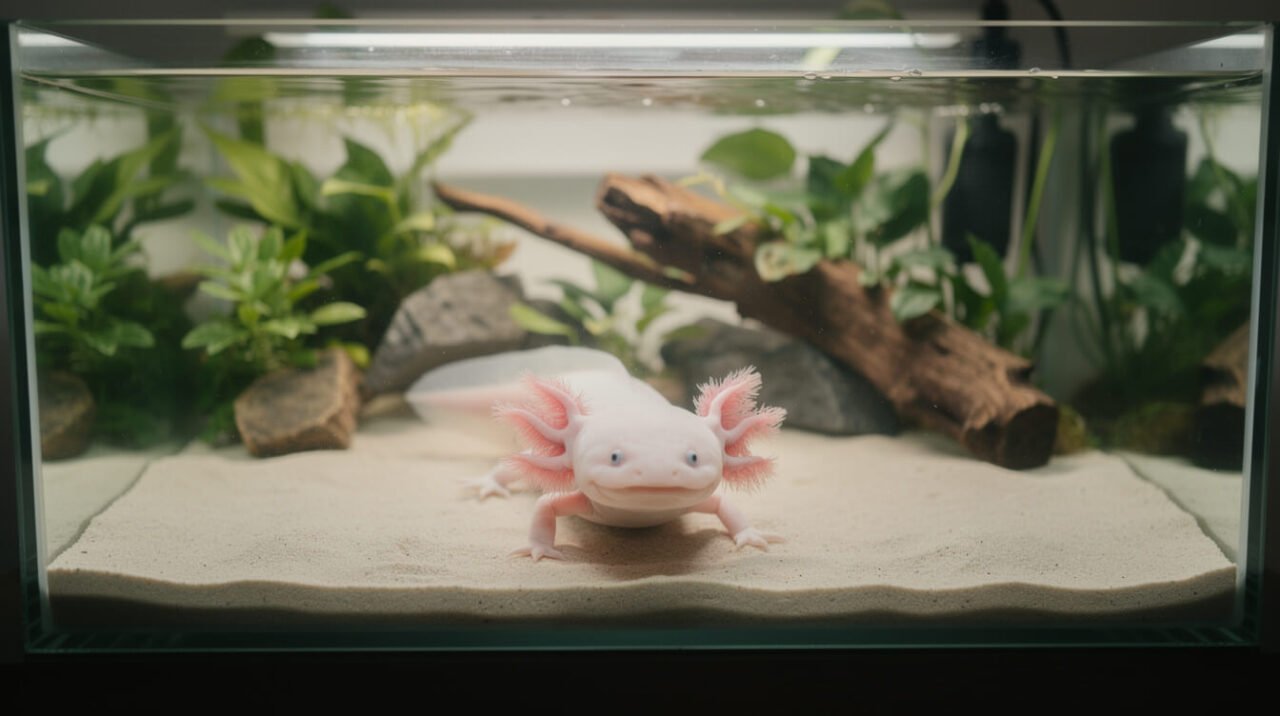
Most of the axolotls that don’t reach their expected lifespan aren’t undone by old age — they’re undone by preventable injury or illness. A few of the biggest risk factors:
- Tank mates. Axolotls are generally best kept alone. Fish tankmates risk nipping at gills and slime coat and can introduce disease, and even other axolotls can be a risk — especially when sizes are mismatched, since axolotls have been known to mistake a smaller tankmate for food. If you’re curious how this plays out with other aquatic species, it’s worth reading how keepers approach the question of whether corydoras can safely live with goldfish — the same “will they actually get along” logic applies, and for axolotls the safer answer is almost always solo housing.
- Substrate. Gravel and small decorative stones pose a genuine impaction risk if swallowed during feeding — many experienced keepers use fine sand or a bare-bottom tank instead, specifically to remove that risk.
- Injury. Axolotls are famous for their regenerative abilities — they can regrow limbs, tails, and even parts of the spinal cord — which is a remarkable adaptation, and one they share in spirit with a handful of other animals with amazing regenerative capabilities. But that ability isn’t unlimited protection: severe injuries, infections, or repeated stress can still shorten a lifespan even when the animal survives the initial event.
- Illness signs. Recessed or shriveled-looking gill fronds, fuzzy white or gray patches (often a sign of fungal or bacterial infection), lethargy, or refusal to eat are all reasons to consult a veterinarian experienced with aquatic or exotic species. These aren’t something to diagnose or treat at home.
Quarantine matters here too, not just for tank mates but for anything new entering the tank. New plants, decor, or a second axolotl can carry parasites or pathogens from wherever they came from. Giving new additions a few weeks in a separate, monitored container before they touch your main setup is a simple habit that catches a lot of problems before they ever reach the animal you’re trying to protect.
Mini and dwarf axolotls: what “small” really means
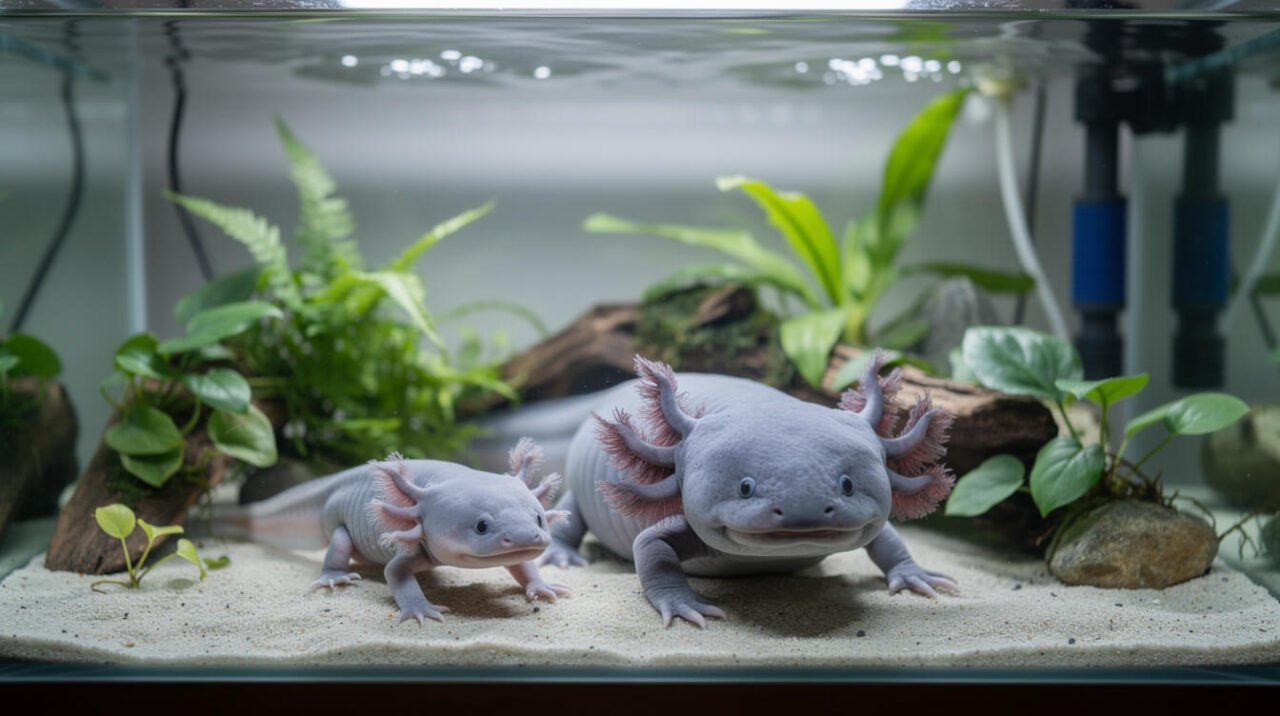
You’ll sometimes see axolotls marketed as “mini” or “dwarf” — and it’s worth understanding what that label usually means before you fall for the cute factor. In most cases, it simply describes a juvenile axolotl that hasn’t finished growing yet; sold at a young age, an axolotl can look tiny and stay that way in photos, even though it’s on track to reach a normal adult size.
The more important welfare question is what happens when a small size isn’t just youth — when an axolotl has been kept deliberately underfed or in cramped, poor conditions to stay artificially small. A genuinely stunted axolotl generally isn’t a healthier or hardier animal; slowed growth from malnutrition or chronic poor water quality tends to go hand in hand with a weaker immune system and a shorter lifespan, not a longer one. If a seller can’t clearly explain an axolotl’s age and rearing conditions, or leans heavily on “stays tiny forever” as a selling point, that’s worth treating as a caution flag rather than a bonus feature.
A healthy axolotl growing at a normal, steady pace — supported by good food and clean, cool water — is the animal most likely to reach that 10-to-15-year range in the first place.
Helping your axolotl live its longest, healthiest life
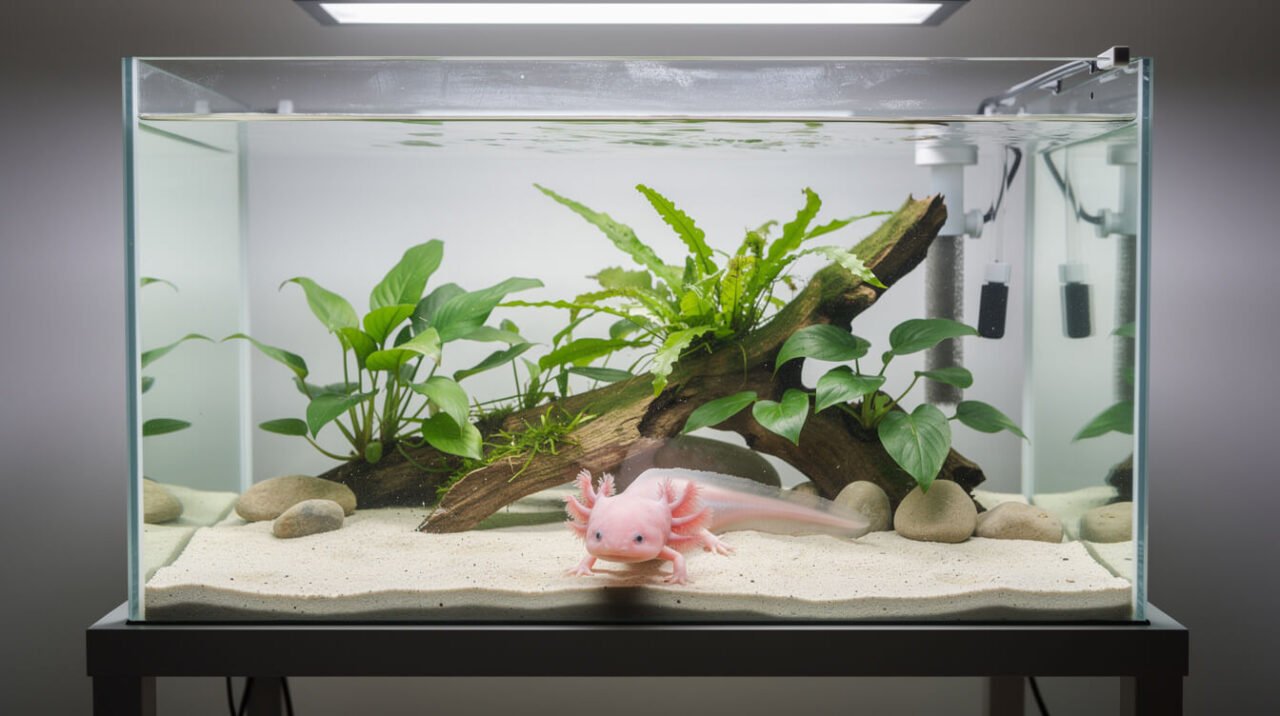
None of this is complicated once the setup is right — it’s mostly about consistency. A quick checklist to work from:
- At least 29 gallons (about 110 liters) of tank space per axolotl, sized generously rather than at the bare minimum
- Water kept cool, roughly 53–68°F (12–20°C), with a reliable way to hold that range through warm weather
- 0 ppm ammonia, 0 ppm nitrite, nitrate under about 20 ppm, and weekly partial water changes
- Fine sand or a bare-bottom tank instead of gravel
- A consistent diet of earthworms, blackworms, bloodworms, or a quality sinking pellet — never live feeder fish
- Solo housing, or same-size adult axolotls only, kept and monitored cautiously
- A veterinarian experienced with aquatic or exotic species on standby for anything that looks off
Get those pieces in place, and you’re not just avoiding the risks above — you’re giving your axolotl a genuinely good chance at that upper end of the lifespan range, not just the average.
Frequently asked questions
How long do axolotls live in captivity versus the wild?
Typically 10–15 years in a well-kept home aquarium, versus an estimated average of around five years in the wild — roughly two to three times longer in captivity, mainly due to consistent water quality, food, and protection from predators and pollution.
What is the number one thing that shortens an axolotl’s lifespan?
Poor and inconsistent water quality is the most common preventable factor — ammonia and nitrite spikes, and chronically high nitrate, put ongoing stress on the animal’s health.
Can axolotls live with fish?
It’s generally not recommended. Fish can nip at an axolotl’s gills and slime coat, introduce disease, and — in the case of feeder species like goldfish — cause a thiamine deficiency if eaten. Most keepers house axolotls alone.
Do axolotls get bigger as “mini” or “dwarf” pets grow older?
Usually, yes. A “mini” axolotl is most often simply a young one that hasn’t reached its full size yet. Be cautious of any seller implying an axolotl will stay tiny forever — that’s more often a sign of poor rearing conditions than a distinct healthy variety.
How can I tell if my axolotl is sick?
Watch for shriveled or receding gills, fuzzy white or gray patches, lethargy, or a sudden refusal to eat. Any of these are reasons to contact a veterinarian experienced with aquatic or exotic species rather than trying to diagnose it yourself.
Wear the obsession
Bearded Dragon Crown Sunglasses King T-Shirt
Price range: $24.99 through $26.99
Shop this designHow long do axolotls live, really? Final thoughts
The honest answer to “how long do axolotls live” isn’t really a single number — it’s a range that depends heavily on what you do. Ten to fifteen years is a realistic, achievable target for a pet axolotl, and the path to get there is refreshingly concrete: cool, clean, stable water; a steady, appropriate diet; safe housing without unnecessary risk; and a vet in your corner for anything that looks unusual. None of it requires guesswork — just consistency, care, and genuinely paying attention to the animal in front of you.
It’s also worth remembering what that gap between wild and captive lifespans actually represents: axolotls are a critically endangered species surviving on borrowed time in the wild, and every well-kept pet axolotl is a reminder of how much difference a stable, thoughtfully managed environment makes. That’s the whole job, and it’s one devoted keepers tend to be very good at.
Before you go
Keep learning your animal
We publish a new guide every day. The best of them land in one short weekly email, so you never miss the one about your species.
Dr. Zoe Santos is a distinguished herpetologist and a revered expert in the care, conservation, and study of reptiles and amphibians. With a PhD in herpetology and over 18 years of field and academic experience, Zoe brings a depth of knowledge to her readers that is both rare and invaluable.