Can Hamsters Eat Blueberries? Safe Amounts and What to Watch For
Can hamsters eat blueberries? Short answer: yes, and most take to them fast — that deep purple-blue color practically guarantees a curious sniff and a happy little cheek-stuffing session. But “yes” comes with real limits here. Blueberries are high enough in natural sugar that a hamster-sized portion is much smaller than you’d guess, and getting it wrong can cause real digestive trouble for an animal that weighs less than a slice of bread. Here’s what’s actually true, and how to do it right.
- Yes — fresh blueberries are safe for hamsters in small, occasional amounts.
- Portion: roughly ½ to 1 blueberry for Syrian hamsters, ½ blueberry for dwarf hamsters.
- Frequency: once or twice a week at most — this is a treat, not a diet staple.
- Avoid: dried, canned, or sweetened blueberry products.
- Watch for: diarrhea, appetite loss, or any sign of wet tail — that’s a same-day vet call.
Hamsters get a strange deal in the pet-content world. They’re one of the most commonly kept small mammals in the country, yet they’re often treated as an afterthought compared to dogs, cats, and even their rodent cousins like guinea pigs and rabbits. That gap matters here because a food question that sounds simple — can my pet eat this berry? — actually has hamster-specific nuance that generic “small pet” advice tends to flatten out. Syrian and dwarf hamsters don’t process sugar the same way, portion sizes that sound generous for a guinea pig are wildly oversized for a hamster, and a hamster’s habit of hoarding food in its cheek pouches and bedding creates a spoilage risk that barely applies to species that eat and move on. This guide is built around those hamster-specific realities, not a repurposed “can small pets eat X” template.
Can hamsters eat blueberries?
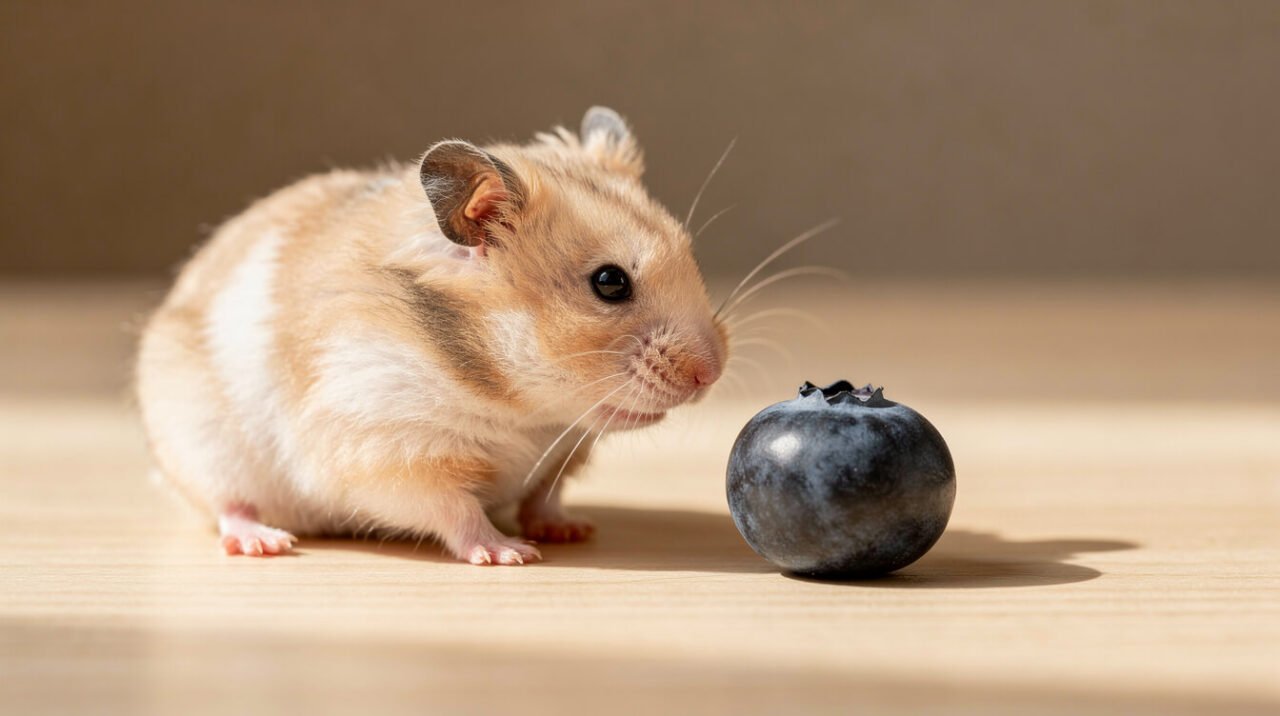
Fresh blueberries are safe for both Syrian and dwarf hamsters when they’re offered fresh, washed, and in small amounts as an occasional treat — not a daily habit. Every credible source on hamster nutrition, including veterinarian-reviewed guidance, agrees on this: blueberries aren’t toxic, but they’re a treat food, not a diet staple.
That distinction matters more for hamsters than it does for us. A hamster’s whole digestive system is built around a dry, fiber-heavy diet — a good commercial hamster mix plus the occasional fresh bite. Fruit is the exception, not the rule, and blueberries are one of the sweeter exceptions.
Skip canned blueberries, pie filling, jam, or any dried or “yogurt-drop” blueberry treat with added sugar — the concentrated sugar in dried and processed versions is a bigger risk than a piece of fresh fruit.
Why blueberries are actually good for hamsters (in small amounts)
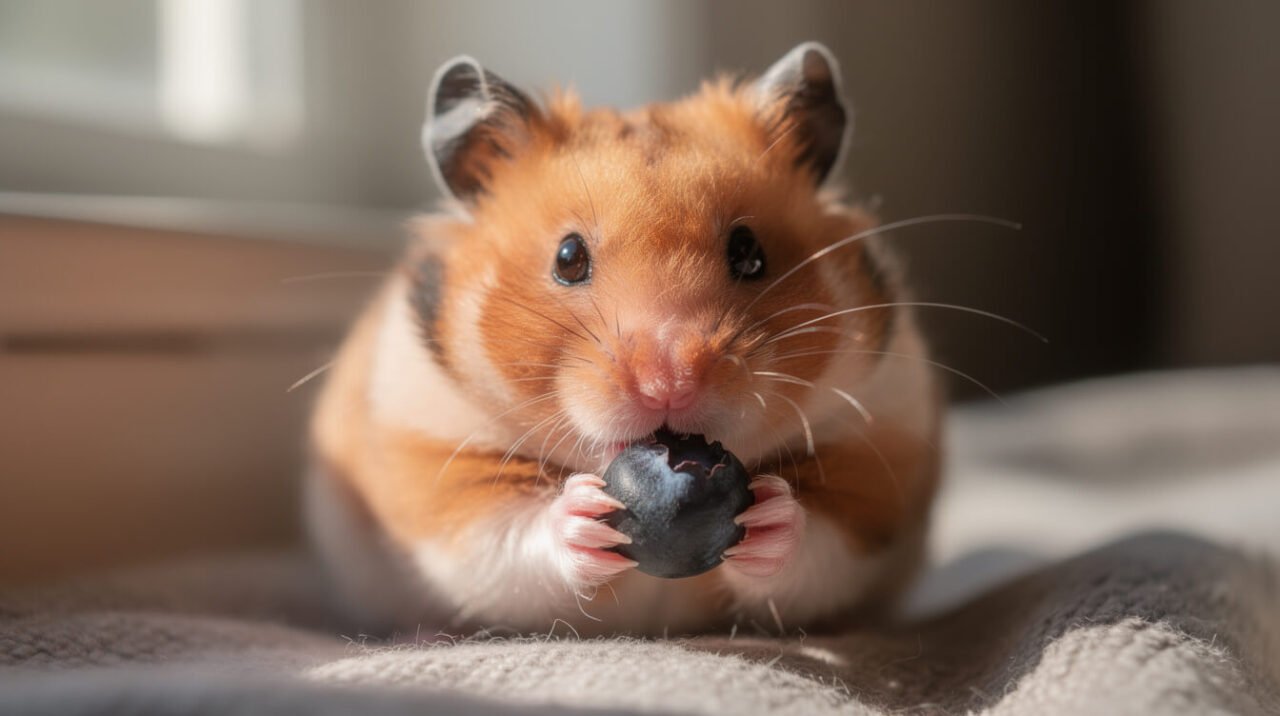
Blueberries earned their “superfood” reputation honestly, and a lot of that carries over to your hamster:
- Antioxidants that support healthy cells, the same compounds researchers point to in human nutrition studies
- Fiber, which helps keep a hamster’s digestion moving normally
- Vitamin C, which supports immune health
- Vitamin K, which plays a role in healthy circulation
None of that means more is better. Think of blueberries the way you’d think of dessert for yourself: genuinely got some good things going for it, still not something to build a diet around. A hamster getting a properly balanced commercial diet doesn’t need blueberries for nutrition — the fruit is there for enrichment and enjoyment, which counts for something too. A little variety and a new smell to investigate is genuinely good for a small animal’s day.
The real risks: sugar, weight, and wet tail
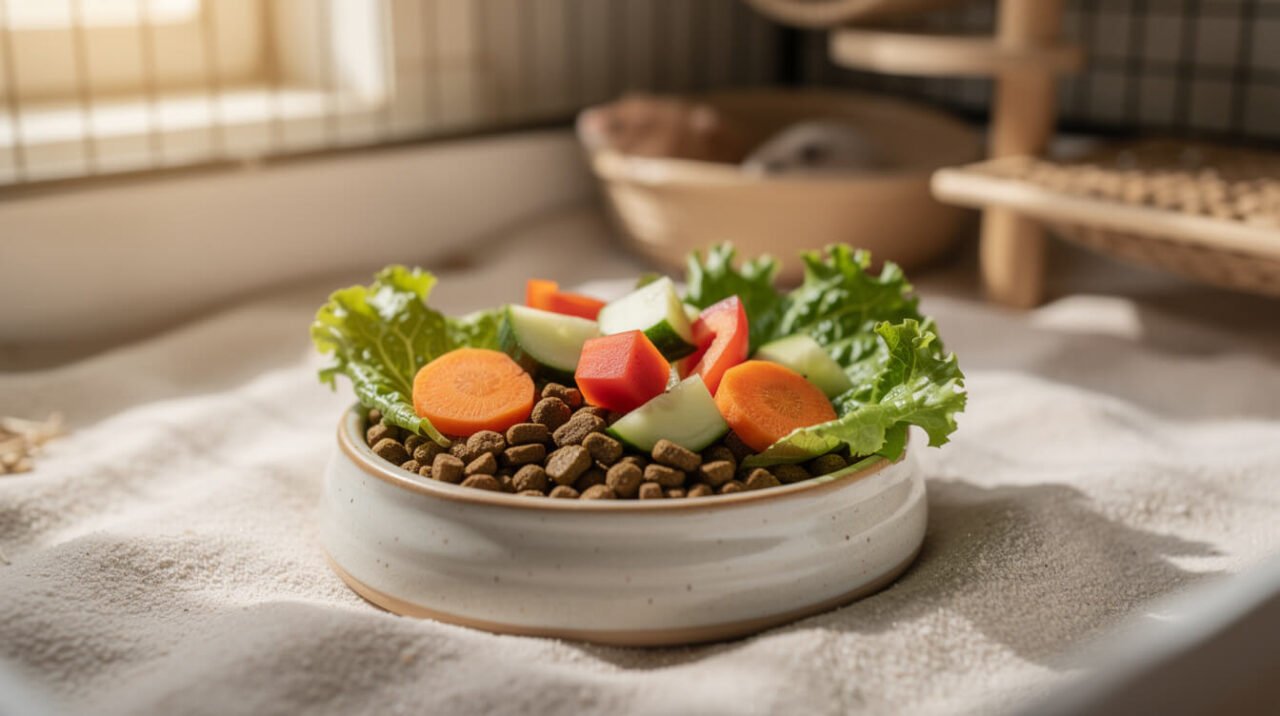
Here’s the honest picture, because a caring keeper deserves the whole story, not just the reassuring half.
Blueberries are naturally high in sugar relative to a hamster’s size and needs. Overfeeding fruit — blueberries included — is linked to weight gain and an increased risk of diabetes, and this risk isn’t evenly spread across all hamsters. Dwarf hamster species (Campbell’s, Winter White, and Roborovski) are genetically predisposed to diabetes in a way Syrian hamsters aren’t, so if you keep a dwarf hamster, sugary treats deserve extra caution and smaller, less frequent portions.
There’s also a choking consideration: a whole blueberry is a big bite for a small mouth, so cutting it down matters more than it might seem.
It helps to understand why a food that seems harmless to us can throw off a hamster so much faster than it would throw off a larger pet. A Syrian hamster typically weighs somewhere around 4 to 6 ounces fully grown — roughly the weight of a smartphone — and dwarf hamster species run smaller still. A treat that would barely register for a 10-pound cat represents a much bigger share of a hamster’s daily calorie intake. Hamsters also run hot metabolically for their size, which is part of why they need reliable access to food and why illness in a hamster can escalate faster than the same illness would in a larger animal — there just isn’t much of a buffer built in. None of this makes blueberries dangerous. It’s the reason “moderation” isn’t a throwaway word in this particular guide.
And then there’s wet tail — a fast-moving, potentially fatal bacterial condition in hamsters that shows up as soft, wet, or sticky fur near the tail, often alongside lethargy and appetite loss. Wet tail isn’t caused by blueberries themselves, but stress, dietary upset, and unclean conditions are contributing factors, which is exactly why moderation and cleanup (more on that below) aren’t optional extras — they’re part of taking this treat seriously. If you ever see signs of wet tail, that’s an emergency vet visit, not a wait-and-see situation — it can progress quickly.
How many blueberries can a hamster eat?
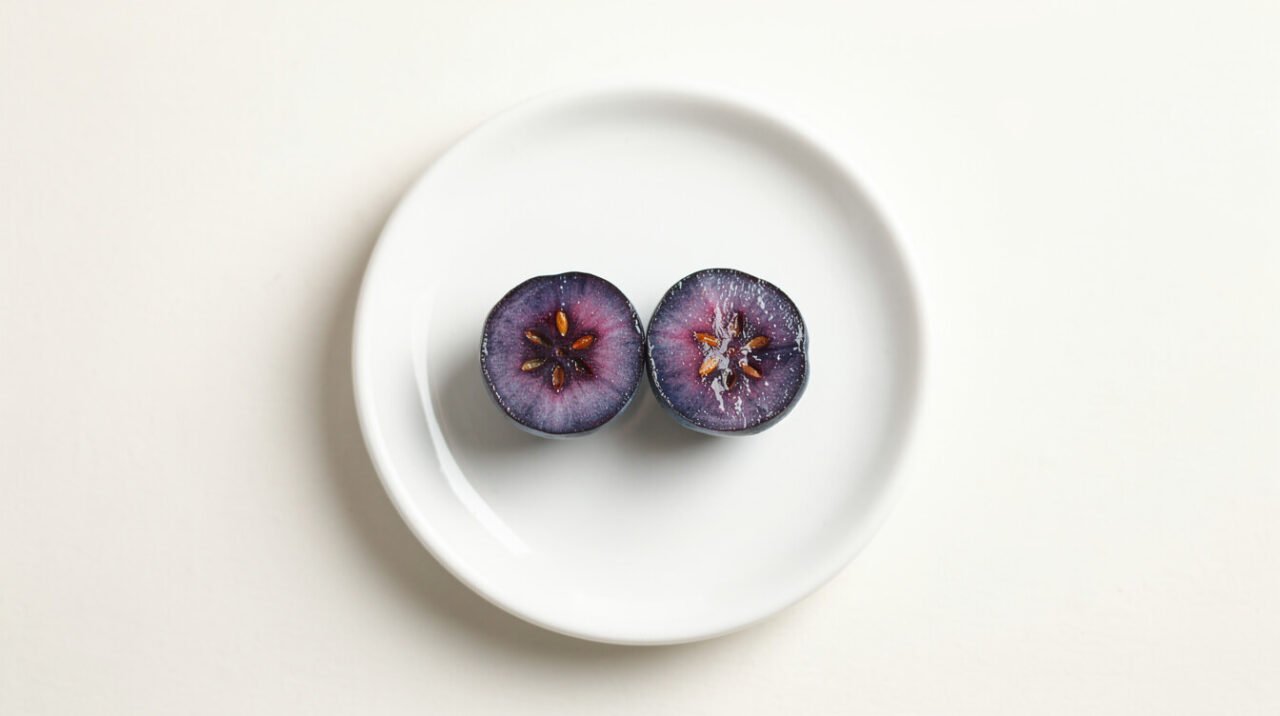
Because hamsters are tiny, “a little” means less than most owners expect the first time they see it written out. Half a blueberry can be a full serving for some hamsters. The ranges below reflect commonly cited guidance from hamster-focused veterinary sources — treat them as a sensible starting point, and let your vet weigh in on anything specific to your hamster’s age, weight, or health history.
| Hamster type | Portion size | Frequency |
|---|---|---|
| Syrian hamster | ½ to 1 blueberry | 1–2 times per week |
| Dwarf hamster (Campbell’s, Winter White, Roborovski) | ½ blueberry | Once per week |
The first time you offer blueberry to your hamster, start with a small piece and watch them for the next 24 hours. Every hamster’s gut reacts a little differently to a new food, and it’s much easier to catch a mild reaction early than to guess at the cause after the fact.
Age and health status matter too, even though there’s no universal formula for adjusting portions. A senior hamster, one recovering from illness, or one with a known history of soft stool is a hamster where “less” is the safer default — and where a quick check with an exotics-experienced vet before introducing any new treat is worth the five minutes it takes. There’s no shame in asking; that’s exactly the kind of caution a good keeper builds into their routine.
The weekly care guide
Get it right for your animal, every week
One email a week: new care guides, species deep-dives, and the safety answers keepers search for, written by our specialists. No spam. Unsubscribe anytime.
Do blueberries help keep a hamster hydrated?
Blueberries are mostly water by weight, which sometimes leads owners to offer more fruit during hot weather as an informal way to help a hamster stay hydrated. It’s true that the water content is a small bonus, but it’s not a substitute for anything, and it isn’t a reason to increase the portion or frequency beyond what’s outlined above. A hamster’s real hydration source should always be a clean, reliably flowing water bottle or dish, checked daily and more than once a day during a heat wave. Think of the moisture in a blueberry as a nice side effect of a treat you were already giving in moderation — not a hydration strategy in its own right.
If you’re ever worried about a hamster in hot weather — lethargy, stretched-out lying position, or reduced activity — that’s a situation for cooling their environment and calling a vet if it doesn’t resolve quickly, not for more fruit. Heat stress in small mammals can escalate fast, and fruit isn’t part of the fix.
How to serve blueberries safely
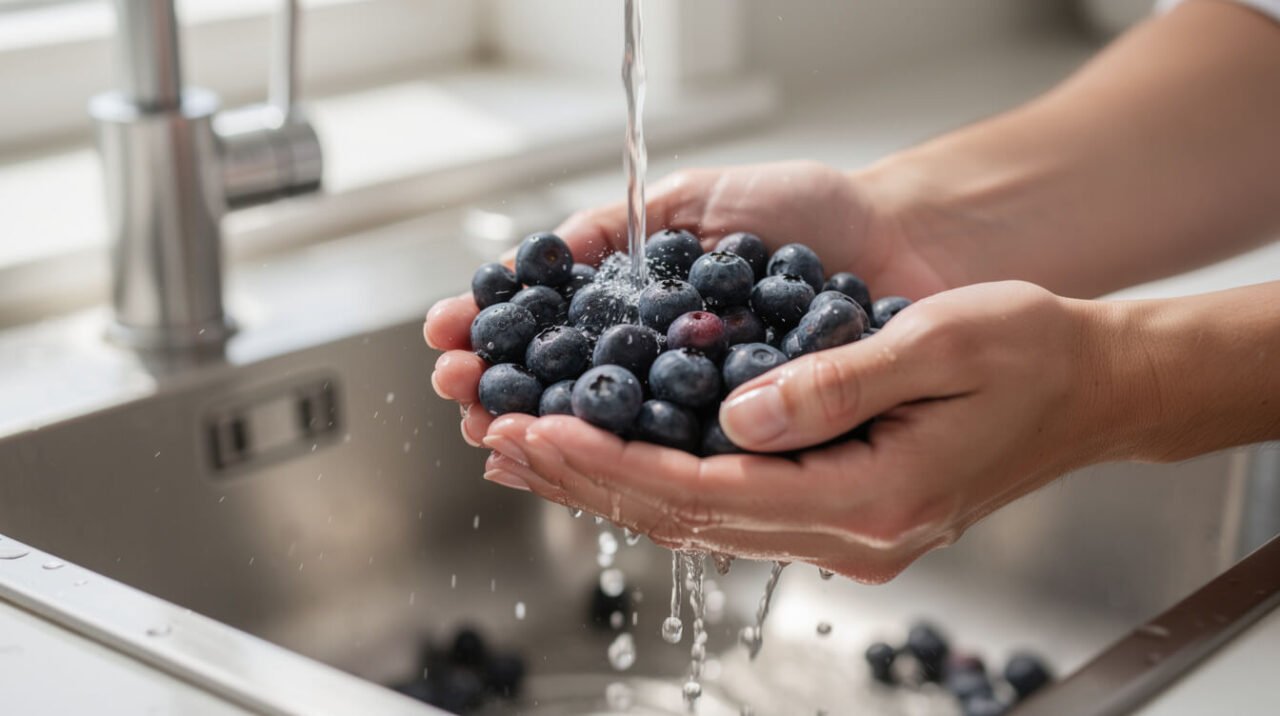
A few simple habits make this treat genuinely low-risk:
- Rinse thoroughly under running water to remove dirt and pesticide residue. Organic reduces exposure but isn’t a guarantee of zero residue, so rinse either way.
- Cut the blueberry in half (or smaller, for dwarf hamsters) before offering it. This cuts choking risk and makes portion control much easier to eyeball.
- Remove anything uneaten from the enclosure within a few hours. Blueberries hold a lot of moisture, and a piece tucked into bedding or a hoard pile can mold or spoil surprisingly fast — and a hamster that finds and eats spoiled fruit later is a much bigger problem than the original treat.
- Skip the fridge-to-cage shortcut. Let a cold blueberry come closer to room temperature before offering it, the same courtesy you’d extend to any small pet with a fast metabolism and a small body.
That’s really the whole routine. It takes under a minute and it’s the difference between a treat that’s genuinely safe and one that quietly creates problems days later.
Turn treat time into enrichment, not just a snack
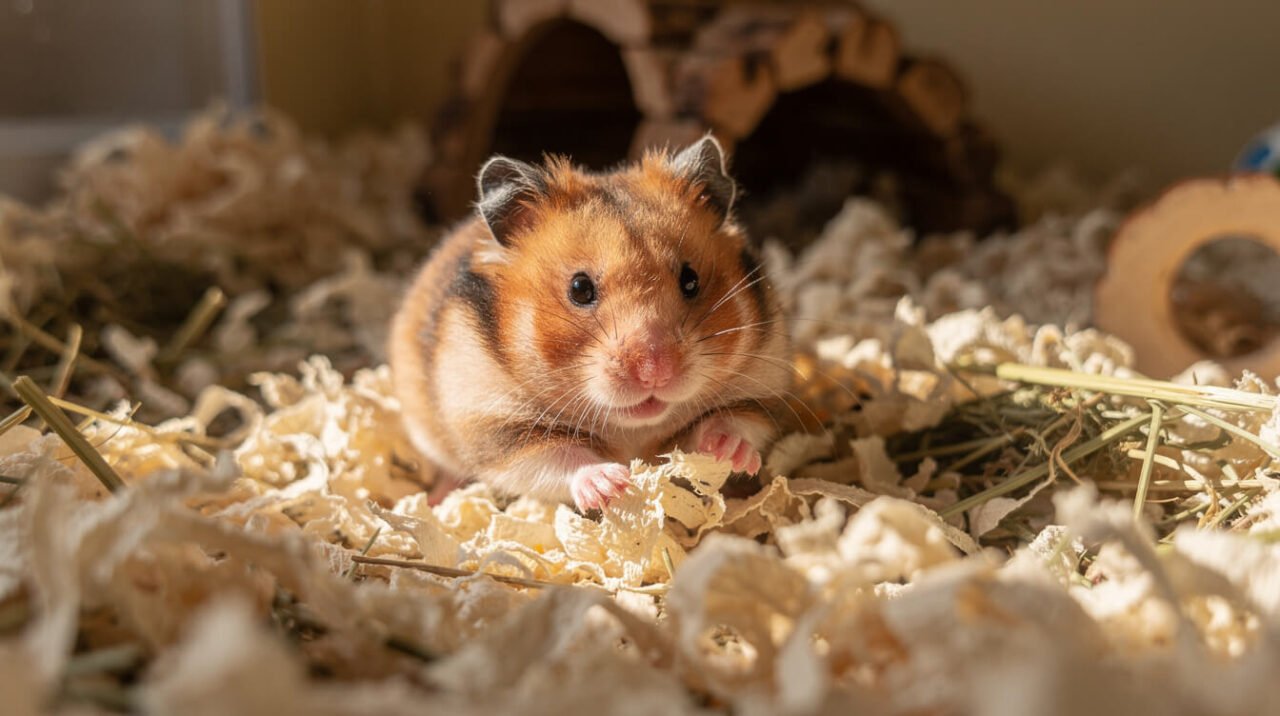
Here’s a small upgrade that costs nothing extra: instead of hand-feeding or dropping the blueberry piece straight into the food dish, scatter it (along with a bit of their regular food) into a patch of bedding, tuck it into a cardboard tube, or hide it under a small pile of hay. Hamsters are natural foragers — in the wild, they spend a big part of their day searching for and hauling food back to a burrow, and that instinct doesn’t switch off just because dinner comes from a bag now.
Letting your hamster “find” a treat through digging and sniffing gives them a few minutes of genuinely engaging, species-appropriate behavior instead of a treat that’s gone in three seconds flat. It’s a small thing, but it’s exactly the kind of detail that separates a store-bought setup from a home that’s actually built around what a hamster needs to feel like a hamster. Just remember the same cleanup rule applies — if the piece doesn’t get found and eaten within a few hours, go find it yourself before it spoils.
How blueberries compare to other hamster-safe treats
Blueberries are far from the only good option, and rotating treats keeps any single food — including this one — from becoming a bigger habit than it should be. A few useful comparisons:
- Leafy greens and vegetables (small pieces of broccoli, cucumber, or carrot) are generally lower in sugar than fruit and can be offered a bit more often than blueberries, though still in modest amounts and with the same “watch for digestive upset” approach.
- Other berries like strawberry and blackberry sit in roughly the same sugar-and-portion category as blueberries — good occasional treats, not everyday food.
- Commercial hamster treats vary a lot in quality. Check the ingredient list the same way you would for the blueberry itself: added sugar, syrup, or artificial coloring near the top of the list is a sign to look for a better option.
A rough rule of thumb that many experienced keepers use: vegetables most days in small amounts, fruit (blueberries included) once or twice a week at most, and sugary commercial treats sparingly if at all. Your hamster’s regular commercial mix should still be doing the real nutritional heavy lifting. The same moderate-fruit, veggies-more-often logic holds up well across small mammals generally — our guide to what rabbits can safely eat follows nearly identical portion-and-frequency reasoning, just scaled up for a bigger animal.
My hamster ate too many blueberries — what do I do?
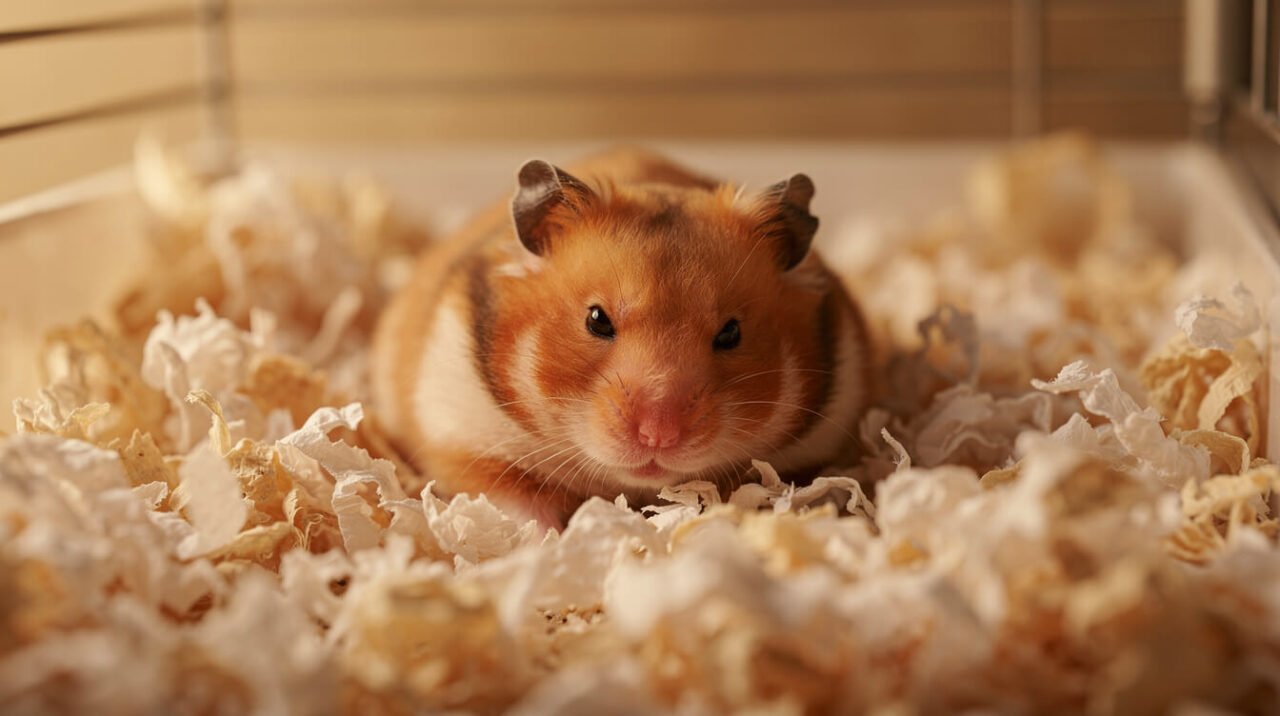
If your hamster gets into more blueberries than intended — a dropped handful, a determined hoard-and-eat session — watch for:
- Diarrhea or noticeably loose stool
- Loss of appetite
- Not drinking water
- Hunching, which often signals stomach discomfort
- Soft, wet, or sticky fur around the tail (the wet-tail warning sign from above)
If you see any of these, here’s the plan: remove any leftover blueberry from the enclosure right away, hold off on fruit and watery vegetables for about 48 hours, and make sure fresh water is always available while their gut settles. Keep a closer eye on them than usual during that window.
If symptoms are still present after 24 hours — or if you see any sign of wet tail at any point — that’s a call to your veterinarian or an emergency exotics vet, not a wait-it-out situation. Hamsters are small enough that dehydration and illness can escalate quickly, and a vet who treats small mammals is always the right call when something seems off.
Frequently asked questions
Can hamsters eat dried blueberries?
Better to skip them. Drying concentrates the sugar significantly, so a dried blueberry packs a much bigger sugar hit than the same size piece of fresh fruit — exactly the opposite of what you want in a treat portion.
Can baby hamsters eat blueberries?
Hold off on fruit, including blueberries, until a hamster pup is fully weaned and settled onto solid food, generally around 4 weeks old, and even then start smaller than you would for an adult. A young hamster’s digestive system is still finding its footing, and there’s no upside to rushing a treat that isn’t nutritionally necessary in the first place.
What other fruits can hamsters eat?
Small, seed-free, pit-free pieces of apple, banana, pear, cantaloupe, strawberry, and blackberry are all generally considered safe in the same moderate, occasional way as blueberries. Always remove seeds, pits, cores, and rinds first.
What fruits should hamsters never eat?
Citrus fruits (too acidic for a hamster’s stomach), grapes, mango, and dragon fruit are commonly flagged as ones to avoid. If you’re ever unsure about a specific food, a quick check with your vet or an exotics-savvy source beats guessing.
Can hamsters eat blueberry muffins, yogurt, or blueberry-flavored treats?
No — processed blueberry products usually carry added sugar, fat, or artificial flavoring that isn’t appropriate for a hamster’s digestive system, even when the packaging is marketed for small pets. Fresh, plain blueberry is always the safer choice over anything processed or “flavored.”
Can hamsters eat frozen blueberries?
Fresh is the better choice. If frozen is all you have, thaw the blueberry fully and let it come to room temperature before offering it — a frozen or half-frozen piece is harder for a hamster to bite through and can be an unpleasant surprise on a small mouth. Thawed blueberries also tend to go soft and release more moisture, so keep the cleanup rule in mind if any goes uneaten.
Is it normal for my hamster’s cheek pouches to look full or lopsided after eating a blueberry?
Usually, yes — hamsters instinctively stuff food into their cheek pouches to carry it back to a hoard spot, and a piece of blueberry is no exception. A temporarily lopsided face right after treat time is completely normal hamster behavior. If the pouches stay visibly full for an extended period, look impacted, or your hamster seems distressed rather than just going about their business, that’s worth a call to your vet rather than assuming it’ll resolve on its own.
Wear the obsession
Bearded Dragon Crown Sunglasses King T-Shirt
Price range: $24.99 through $26.99
Shop this designFinal thoughts: can hamsters eat blueberries safely?
Blueberries are one of the easy wins in hamster care: genuinely safe, genuinely appreciated, and genuinely simple to get right once you know the portion. Rinse it, cut it small, offer it rarely, clean up what’s left, and you’ve covered every real risk on this list. The bigger picture matters more than any single treat — a hamster thriving on a proper commercial diet, a clean enclosure, and a keeper paying attention to changes in behavior or appetite is a hamster set up to enjoy an occasional blueberry without any of this turning into a real problem. That’s the whole job, and you’re clearly already doing it by asking the question first.
Looking to round out the rest of your hamster’s care routine? Our comprehensive small-mammal care guide covers habitat, diet, and enrichment fundamentals that translate well across pocket pets, hamsters included.
Before you go
Keep learning your animal
We publish a new guide every day. The best of them land in one short weekly email, so you never miss the one about your species.

Oliver Grant is your go-to expert for all things related to small mammals. With 15 years of hands-on experience raising and caring for rabbits, guinea pigs, hamsters, and ferrets, Oliver brings a wealth of knowledge to his readers.