Cecotropes: What They Are, Why Rabbits Eat Them, and What Uneaten Ones Mean
If you have ever caught your rabbit curling down toward their tail and coming back up chewing, you’ve seen one of the cleverest tricks in the animal kingdom. Those soft, dark, grape-like clusters they eat are cecotropes, and they aren’t really poop at all. They’re a second helping of food, made inside your rabbit’s own gut, and a healthy rabbit is supposed to eat every one.
Here is what cecotropes are, how a rabbit makes them, what they actually provide (the internet oversells this part), and how to read the clusters you find in the pen. Most of all, it covers why some rabbits leave them behind. That’s usually the real reason people search for the word, and the answer is either “can’t reach” or “won’t eat.” Telling those two apart is the whole game.
The short answer: cecotropes are nutrient-rich pellets from the cecum that rabbits eat straight from the bottom, usually when you’re not looking. Eating them is normal and necessary. Finding the odd one in the bedding isn’t a crisis. Finding them every day, or stuck under the tail, means something needs fixing. A rabbit that stops eating or stops pooping for 12 hours is an emergency, so call a rabbit-savvy vet now.
What cecotropes are (and why they aren’t really poop)
Rabbits make two completely different kinds of droppings. The familiar kind, the round, dry “cocoa puffs” in the litter box, are fecal pellets, and they’re mostly undigested fiber on its way out. Cecotropes (also spelled caecotrophs, also called cecal pellets) are something else. Veterinary texts describe them as a cluster of small, soft, shiny pellets stuck together like a blackberry or a tiny bunch of grapes. They’re dark brown to greenish-black, coated in mucus, and they smell strong.
That smell is the giveaway. Cecotropes are packed with bacteria from the cecum, a large fermentation chamber where the intestines meet. The mucus coat is there on purpose. It protects that payload on its trip back through the stomach, which is why rabbits swallow cecotropes whole instead of chewing them.
Cecotrophy vs. coprophagy
Plenty of articles call this “coprophagy,” which means eating feces. The Textbook of Rabbit Medicine makes a sharper point: feces are by definition body waste, and cecotropes are nutrient-rich cecal contents, not waste. The precise word for eating them is cecotrophy. It isn’t just pedantry. “My rabbit eats poop” sounds like a problem, but “my rabbit eats cecotropes” is a sign the system is working.
Why you rarely see them
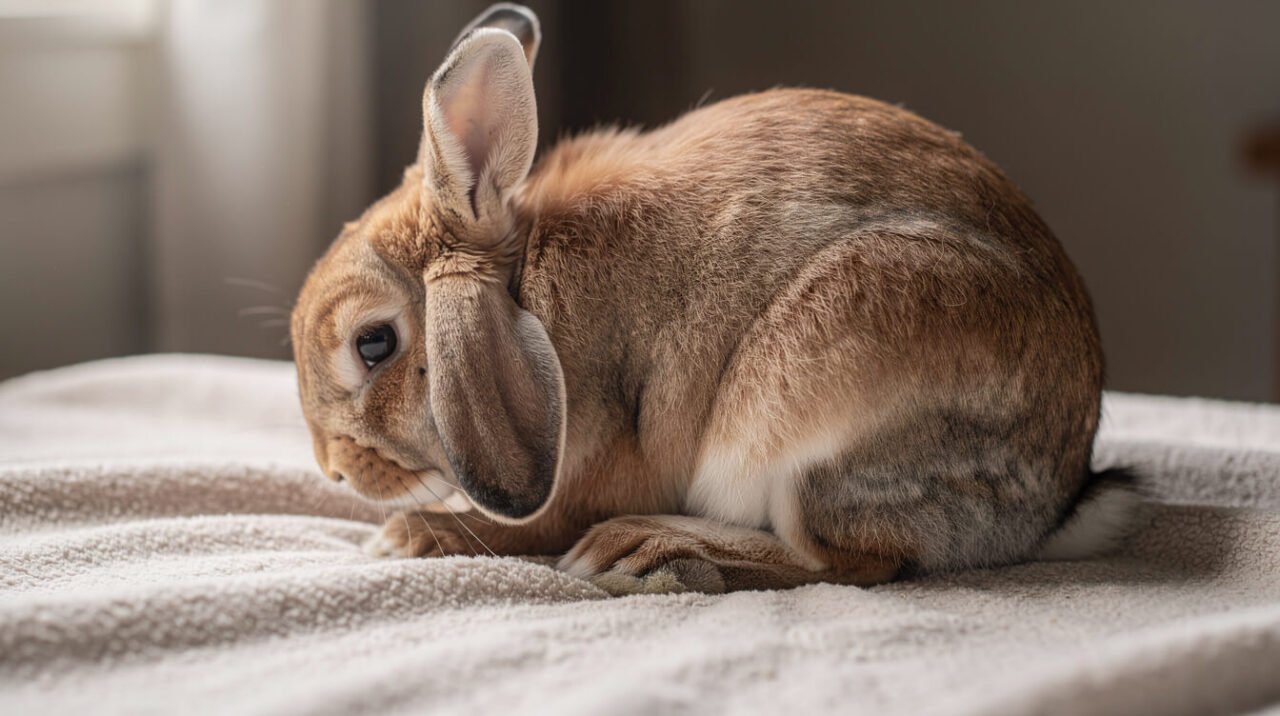
A healthy rabbit takes each cecotrope straight from the anus as it emerges. It usually never touches the ground. Most keepers go years without seeing an intact one. The Textbook of Rabbit Medicine notes that an occasional cluster in the bedding of a normal rabbit is not abnormal, so one stray cecotrope on a Tuesday is not a diagnosis.
How a rabbit makes cecotropes: the two-lane gut
Rabbits are hindgut fermenters, and their colon works like a sorting machine. According to the Merck Veterinary Manual, the gut separates what a rabbit eats by particle size:
- Big particles (larger than about 0.5 mm, mostly tough lignocellulose) are pushed quickly through the colon and leave as hard fecal pellets. That’s why those pellets are dry and fibrous.
- Small particles (smaller than about 0.3 mm) and fluid are pushed backward into the cecum. There, bacteria, yeasts, and protozoa ferment them into things a rabbit can’t make from plants on its own.
Every so often the gut changes mode. The cecum contracts, and its contents travel down the colon to a specialized section called the fusus coli. That section acts as the pacemaker for the whole process: it squeezes the paste into little pellets and wraps them in mucus. Out comes a cluster of cecotropes, and the rabbit curls down and eats it.
When it happens (it isn’t really “night droppings”)
Cecotropes are sometimes called “night feces,” and the Textbook of Rabbit Medicine calls that term misleading. They are produced about 4 to 8 hours after feeding, during a quiet, undisturbed rest period. For a wild rabbit, that rest happens in the burrow during the day. For a pet, it’s often early morning or evening. Another veterinary chapter (Oglesbee and Lord, in Ferrets, Rabbits, and Rodents) describes them as produced several times a day, usually morning and evening. The practical takeaway is the same either way: your rabbit does this on their own schedule, while resting, and you’ll mostly miss it.
It starts in the nest
Baby rabbits are born with no gut microbes. Kits pick up their starter bacteria by eating their mother’s droppings and cecotropes, and they begin eating their own at around three weeks of age. Rabbit vets sometimes borrow this trick. The Textbook of Rabbit Medicine describes feeding cecotropes from a healthy adult to orphaned kits at weaning to seed their gut. That’s a vet-guided practice, not a home remedy.
What cecotropes actually give your rabbit (and what the internet oversells)
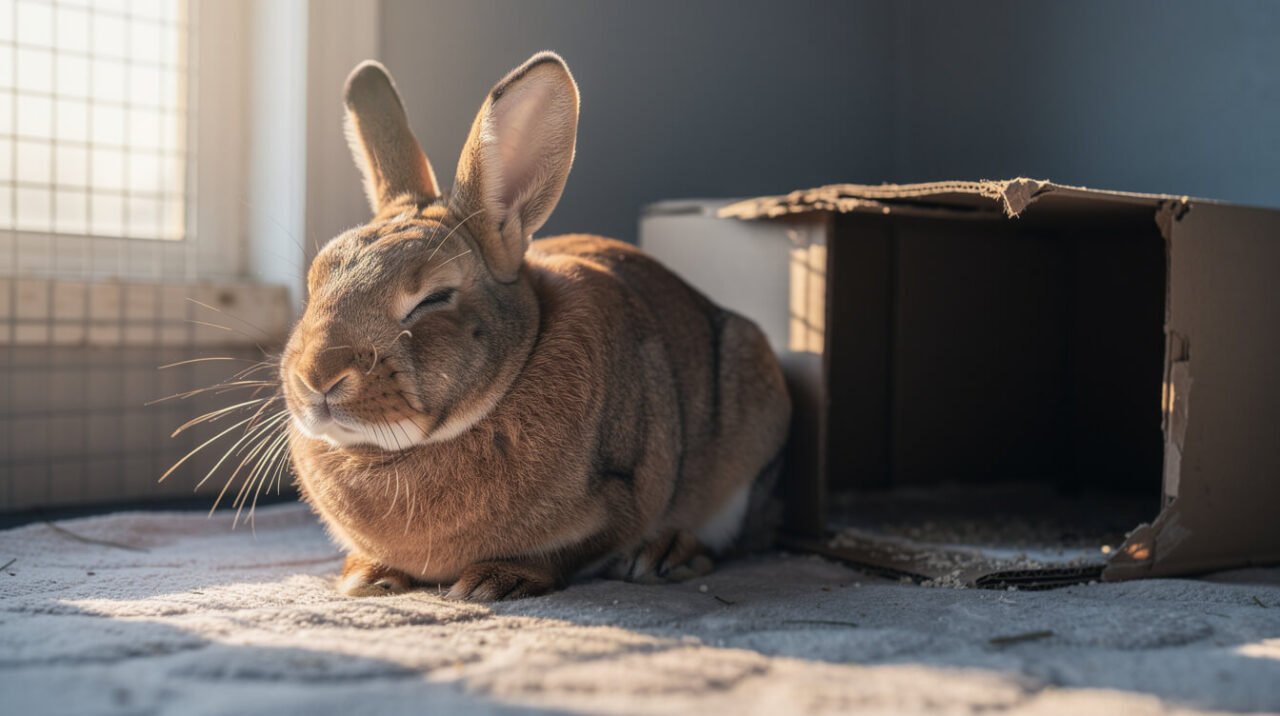
Search around and you’ll find claims ranging from “a little extra protein” to “rabbits get the majority of their nutrition from cecotropes.” Here’s what the veterinary references actually support, piece by piece:
- B vitamins and vitamin K: yes, and essentially all of them. The Merck manual says cecotropes provide all the B vitamins a rabbit needs. The Textbook of Rabbit Medicine lists cecotrophy as a source of vitamins B and K.
- Protein: meaningful, but not the whole story. MSPCA-Angell’s exotics service, citing the standard clinical text, puts it at up to 30% of a rabbit’s nitrogen intake. That’s real. But the Merck manual is explicit that the amino acids from cecotropes are only a minor contribution to protein needs, so the diet still has to supply the rest. The two statements fit together: cecotropes are a significant top-up, not a replacement for good food.
- Energy: mostly not from the cecotropes themselves. Fermentation in the cecum produces volatile fatty acids that cover around 40% of a rabbit’s calorie needs, according to Merck. But much of that is absorbed straight through the cecal wall. The cecotropes carry only “small quantities” of those fatty acids.
So a rescue page saying rabbits get “the majority” of their nutrition from cecal pellets is overselling it. The honest version is that cecotropes are where a rabbit gets its B vitamins and an important share of its protein. The cecum as a whole, not just the pellets, is a major energy source. The stakes are still real. The Textbook of Rabbit Medicine warns that rabbits that don’t eat their cecotropes can end up short on essential amino acids, with lysine and methionine the most likely to run low.
Diet changes how many they eat
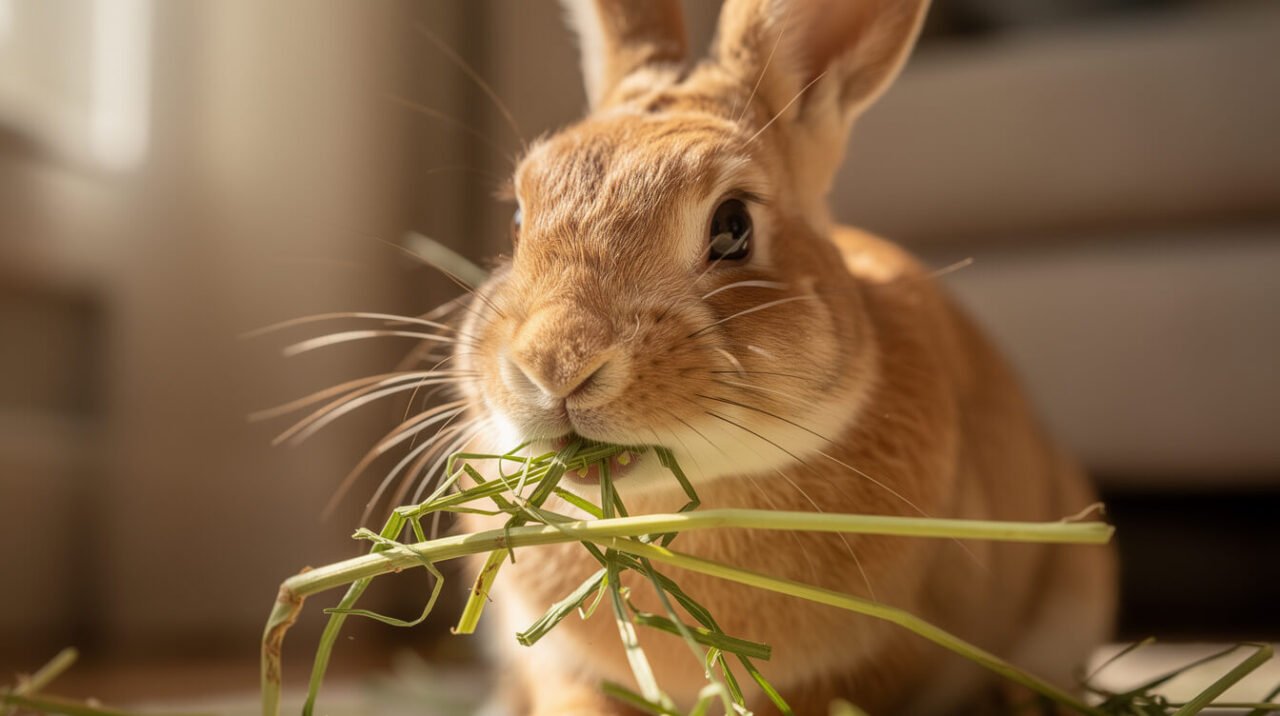
This is the part that matters day to day. Rabbits don’t eat a fixed number of cecotropes. Both Merck and the Textbook of Rabbit Medicine say a high-fiber diet increases cecotrophy, and the textbook adds that high dietary protein reduces it. In one study it cites, rabbits on diets above about 14% fiber emptied their cecum almost entirely each day, while lower-fiber diets left most of it behind. Lots of hay means more appetite for cecotropes. A rich pellet-and-treat diet means less appetite, which is exactly the pattern behind most leftover cecotropes in house rabbits.
Cecotropes, fecal pellets, or diarrhea? How to read what you find
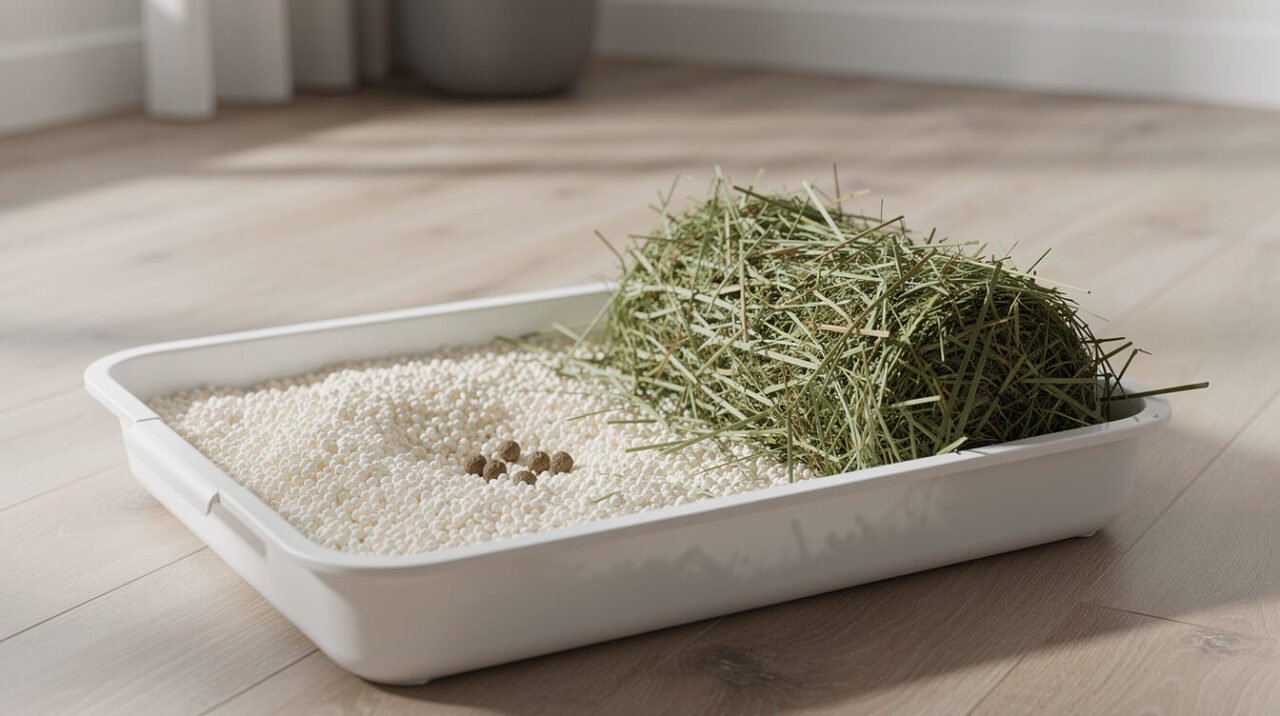
Uneaten cecotropes get mistaken for diarrhea all the time. It’s an easy mistake: they’re soft, sticky, and smell strongly next to the dry pellets you’re used to. The single most useful check comes straight from the Textbook of Rabbit Medicine: is your rabbit still passing normal, round droppings at the same time? If yes, the “diarrhea” is almost certainly uneaten cecotropes. True diarrhea in rabbits is uncommon, and it doesn’t come with normal pellets alongside it.
This table adapts the textbook’s own guide to fecal output into keeper language:
| What you see | Regular droppings | Cecotropes | What it usually means |
|---|---|---|---|
| Normal | Plenty, round, consistent | Rarely seen; an odd cluster is fine | All good |
| Uneaten cecotropes | Normal | Formed clusters in bedding or stuck under the tail | Can’t reach, or diet too rich; see the next section |
| Soft uneaten cecotropes | Normal | Pasty, smeared, mats the fur | Gut flora upset, often from diet (sugar, starch, sudden change) |
| Eating less | Fewer and smaller | Not seen | Appetite drop; call your vet the same day |
| Gut stasis | None | None | Emergency |
| True diarrhea | Can’t tell pellets from cecotropes; unformed or watery | Same | Emergency, especially in young rabbits |
How many droppings is “normal”?
Sources disagree here, and the disagreement teaches something. The San Diego House Rabbit Society says rabbits poop 200 to 300 times a day. The Textbook of Rabbit Medicine cites about 150 hard pellets a day for a 2.5 to 3 kg (roughly 5.5 to 6.5 lb) rabbit, and notes the number varies with the fiber in the diet. Both can be true: a bigger rabbit on lots of hay makes more. So don’t measure your rabbit against someone else’s number. Learn your own rabbit’s normal, and treat a clear drop from that baseline as the signal.
When it’s not a cecotrope question at all
Some changes need a vet today, not a diet tweak. Rabbit.org’s GI stasis guidance is blunt: if your rabbit stops eating or producing droppings for 12 hours or more, treat it as an emergency and get to a rabbit-savvy veterinarian immediately. Watery, unformed stool, a hunched posture, teeth grinding, or a rabbit that won’t move all belong in the same “call now” bucket. We’re describing what to notice here, not diagnosing it. A vet who sees rabbits regularly is the right person for that.
The weekly care guide
Get it right for your animal, every week
One email a week: new care guides, species deep-dives, and the safety answers keepers search for, written by our specialists. No spam. Unsubscribe anytime.
Why rabbits leave cecotropes uneaten
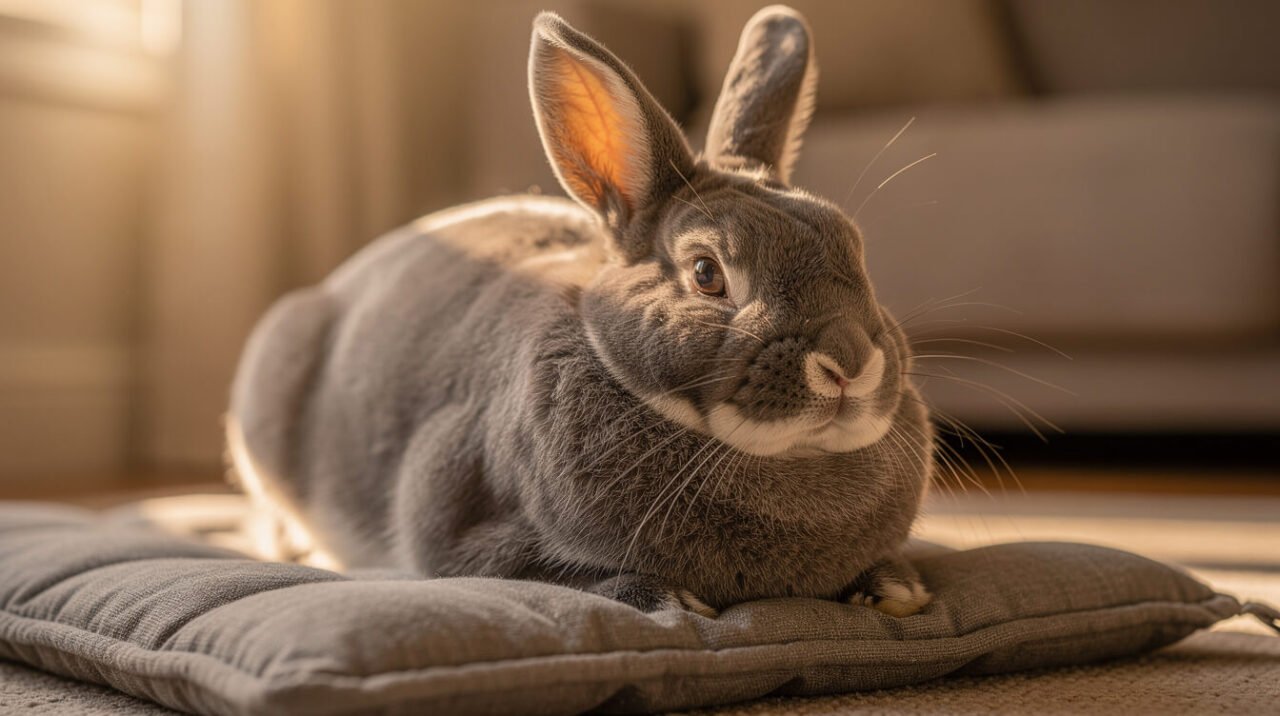
The clearest framework comes from the veterinary chapter on rabbit GI disease: a rabbit that leaves cecotropes behind either can’t eat them or won’t eat them. These are different problems with different fixes, so it’s worth working out which one you’re looking at.
“Can’t”: the rabbit physically can’t reach
Eating cecotropes takes a deep, flexible curl. Anything that gets in the way of that curl leaves cecotropes stuck to the fur or dropped on the floor:
- Extra weight. Vets name obesity as a common reason a rabbit can’t reach. Overweight rabbits can’t groom the base of the tail either.
- Stiffness or pain: arthritis, spinal problems (common in older rabbits), sore hocks, or any painful condition.
- Dental disease. Sore teeth, especially the molars you can’t see, make a rabbit less willing to eat anything, cecotropes included.
- Balance problems (vestibular disease, such as a head tilt).
- A large dewlap or long fur around the rear, as in Angoras and other long-coated breeds.
- A cone. An Elizabethan collar after surgery blocks cecotrophy completely. More on that below.
“Won’t”: the cecotropes aren’t right
If the rabbit can reach but the cecotropes come out soft, pasty, or extra smelly, the rabbit often won’t eat them. The usual cause is that the cecum’s bacterial balance has shifted, which MSPCA-Angell calls cecal dysbiosis. The most common trigger is diet: too many sugary or starchy foods (fruit, crackers, bread, cereal, commercial treats, seed-and-pellet mixes, and for some rabbits even carrots) and not enough hay. The Textbook of Rabbit Medicine adds that succulent foods like lettuce or fruit can cause brief episodes of soft, uneaten cecotropes. Stress, other illness, and some antibiotics can do it too.
There’s also a quieter version of “won’t”: a rabbit on a rich, high-protein diet may simply not want them, and the diet-and-cecotrophy research above predicts exactly that. Rabbit.org puts it plainly: in many house rabbits, lots of uneaten cecotropes means too many pellets and treats and not enough hay.
Why it matters even if your rabbit seems fine
The Textbook of Rabbit Medicine is careful to say that uneaten cecotropes are not life-threatening in themselves. What they lead to is the problem. Cecotropes caked under the tail cause sore, infected skin and urine scald, and the smell attracts flies. Flystrike, where flies lay eggs on soiled fur, is a genuine emergency, and the Rabbit Welfare Association & Fund warns that maggots can eat into a rabbit’s flesh within 24 hours.
Fixing uneaten cecotropes: the vet check, then the diet reset
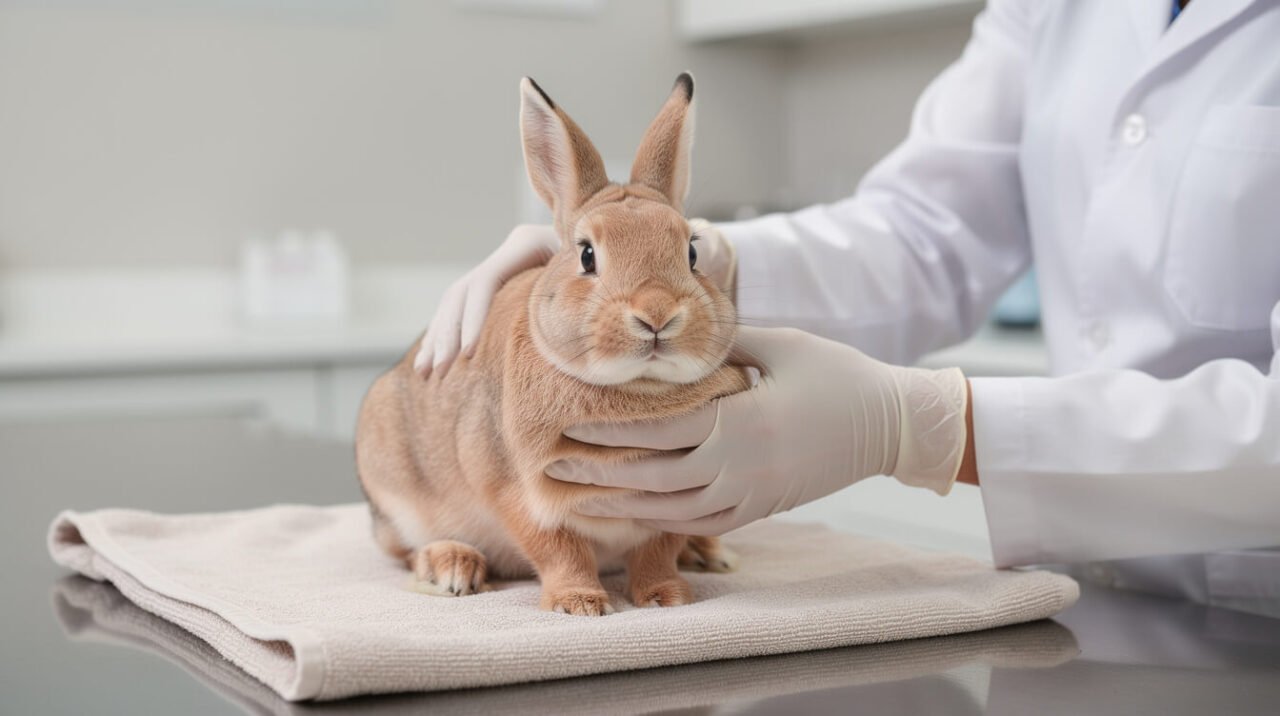
Start with a vet visit, not the food bowl. If your rabbit can’t reach, changing the diet won’t help, and pain or dental disease needs treating on its own terms. A rabbit-experienced vet can check weight, mobility, and spine, and do a proper dental exam that includes the back molars. Rabbit biologist Dana Krempels lists exactly that as step one for any messy bottom. If you don’t have a rabbit vet yet, find one before you need one. Plenty of general and emergency clinics see few rabbits.
The diet reset, and where the experts differ
Once a “won’t” problem is likely, the fix is more fiber and less sugar and starch. Two respected veterinary sources agree on the direction but differ on one detail, and you deserve to know both:
- The hay-only approach. The GI-disease chapter in Ferrets, Rabbits, and Rodents (Oglesbee and Lord) recommends feeding only grass hay until no uneaten cecotropes have been seen for several days. Then add pellets back gradually, then greens. It notes that some rabbits produce abnormal cecotropes whenever greens are fed and need them withheld for good.
- The keep-the-greens approach. MSPCA-Angell’s exotics service recommends removing sugary treats and pellets immediately, increasing grass hay (timothy, orchard, oat), and continuing leafy greens like romaine, endive, and dandelion greens. Pellets come back in small amounts once the soft cecotropes stop.
Both are reasonable, and both agree on the core: pellets, treats, and sugary extras come out, and hay goes up. The real disagreement is whether greens stay in during the reset. That depends on the individual rabbit, which is why this belongs with your vet rather than with an article. A few rules hold either way:
- Your rabbit must keep eating. The reset swaps foods; it never removes food. Unlimited grass hay, always. A rabbit that stops eating during a diet change needs a vet the same day.
- Be patient. Both sources say it can take days to weeks for cecotropes to firm up.
- Reintroduce one thing at a time, so if the cecotropes slip again, you know which food did it.
- Skip alfalfa hay for adult rabbits during the reset. MSPCA-Angell notes it’s higher in carbohydrates and protein than grass hays.
For the full picture of a rabbit’s everyday diet (hay first, greens second, pellets last), see our complete rabbit care guide. And if cucumber is part of your rabbit’s salad, our guide to rabbits and cucumber explains why watery vegetables are an occasional extra, not a fiber source.
Everyday habits that keep cecotrophy working
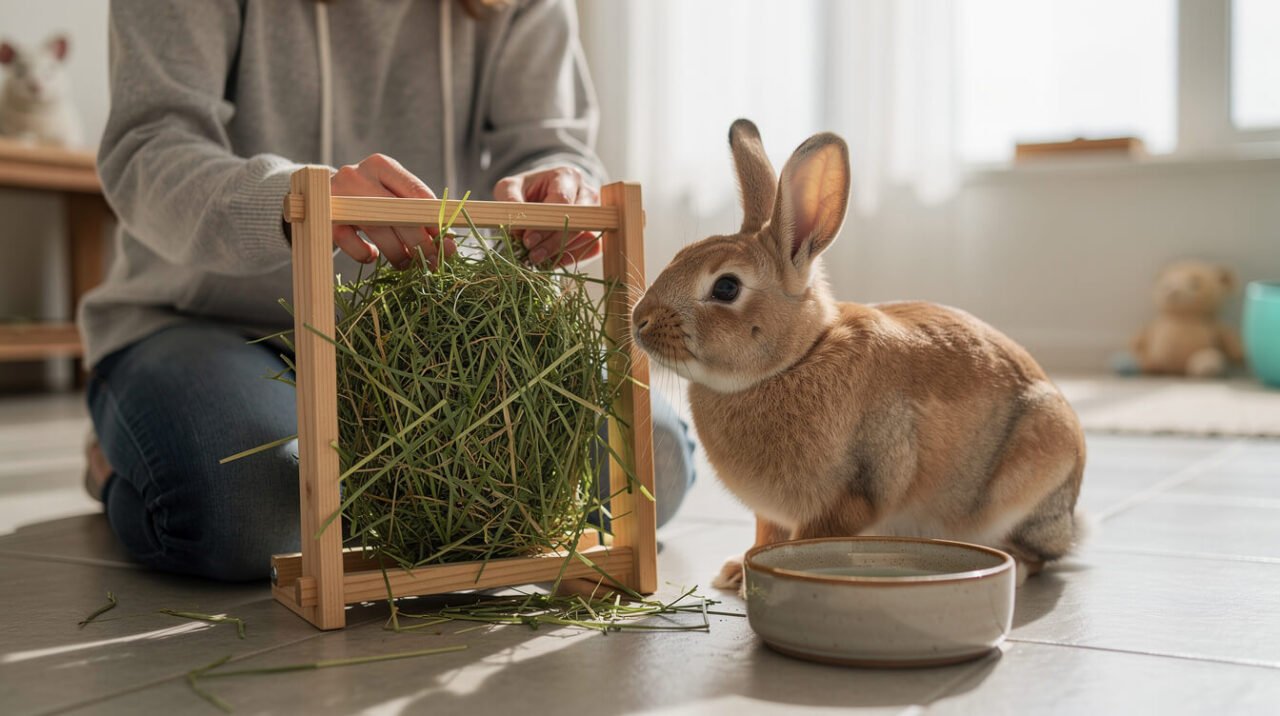
The good news is that a healthy cecotrophy routine mostly runs itself, as long as the basics are in place. Rabbits are wonderfully engineered; your job is just not to get in the way.
- Hay, always, and lots of it. Merck recommends unlimited grass hay, and Rabbit.org puts hay at about 80% of the diet. Long fiber keeps the gut moving and, per the research above, boosts the appetite for cecotropes.
- Keep pellets modest and treats tiny. These are the foods most often behind uneaten cecotropes.
- Watch the waistline. A rabbit who can curl comfortably can reach. Ask your vet to show you how to feel for a healthy body condition.
- Change foods slowly. A new bag, a new hay, or a new green is best mixed in gradually.
- Do bottom checks. The Rabbit Welfare Association & Fund recommends checking your rabbit’s rear every day, and more than once a day in summer. If there’s anything stuck there, clean it and dry the area.
And a small aside, because many rabbit homes are multi-species homes: our shop is tiny and reptile-first for now, but if there’s a bearded dragon living alongside your bunny, the Bearded Dragon Crown Sunglasses King T-Shirt is our one design so far.
Wear the obsession
Our shop is small and reptile-first for now. For the multi-species household with a bearded dragon basking down the hall, the Bearded Dragon Crown Sunglasses King tee is a soft, everyday keeper shirt.
Spay or neuter surgery: ask about the cone
This one catches a lot of new keepers. Spaying and neutering are routine, recommended rabbit surgeries, and in many species a cone (Elizabethan collar) afterward is standard. In rabbits it comes with a cost the cone was never designed for. The Textbook of Rabbit Medicine notes that Elizabethan collars prevent cecotrophy, at exactly the moment a healing rabbit needs those amino acids and vitamins. They’re also stressful, and their edges can damage the ears. The same text says careful surgical technique can reduce the need for collars. Where one is truly necessary, it suggests padding the edges and giving supervised, collar-free periods so the rabbit can eat cecotropes. So before surgery day, ask your vet: “Will my rabbit need a cone, and if so, how do we let them eat their cecotropes?” A rabbit-experienced vet will know exactly why you’re asking.
Cleaning a messy bottom gently
If cecotropes do get stuck, clean them off promptly and gently. Rabbit skin is thin and tears surprisingly easily, so never pull or cut at mats yourself. Dana Krempels’ guidance prefers a dry clean when the mess is dry, using cornstarch-based powder worked gently into the fur. Use cornstarch, never talc, and never flea powders. Where washing is needed, clean only the soiled rear end. Don’t give a full bath, and dry the fur thoroughly afterward, because damp fur attracts flies too. Never force a struggling rabbit; a kick against restraint can injure the spine. For heavy matting, let your vet’s team do it. And remember that a messy bottom is a symptom. Cleaning it buys comfort while you find the cause.
Cecotropes FAQ: the questions keepers ask most
Is it normal that my rabbit eats their poop?
Yes. If it’s cecotropes they’re eating, it’s not only normal but necessary. Please don’t try to stop it. The behavior to worry about is the opposite one: cecotropes regularly left behind.
I found one cecotrope in the pen. Should I worry?
Not on its own. Veterinary references treat an occasional uneaten cluster as normal. Pay attention if it becomes a pattern, if cecotropes are sticking to the fur, or if they’re soft and pasty rather than formed.
Should I give an uneaten cecotrope back to my rabbit?
Generally, no. Clean it up. Rabbits eat cecotropes fresh from the source, and a cluster that has sat on the floor isn’t the same thing. Feeding cecotropes from a healthy rabbit to young kits is a technique vets use in specific situations, so if you think your rabbit needs that kind of help, ask your vet rather than improvising.
Do guinea pigs and chinchillas make cecotropes too?
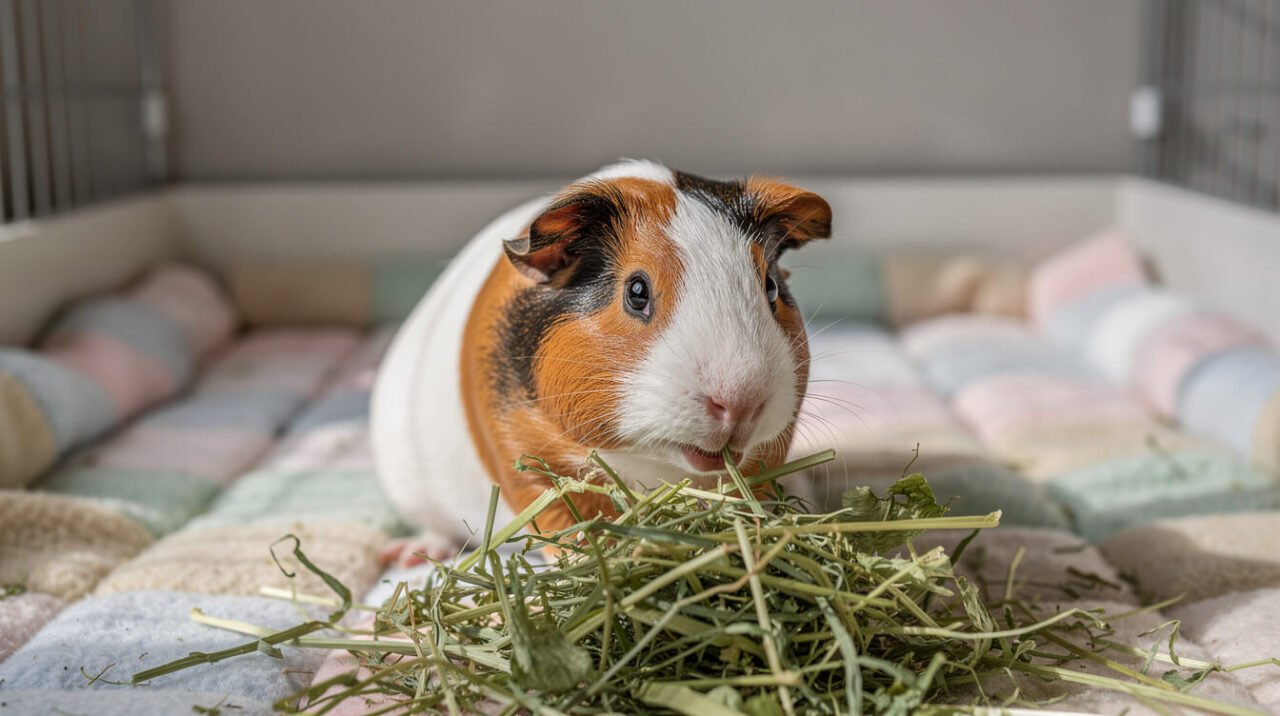
They do re-ingest special droppings too. Lagomorphs (rabbits, hares, and pikas) are the best-known example, but rodents including guinea pigs and chinchillas also practice it. The details differ by species, so don’t map rabbit rules directly onto them. Our guinea pig care guide covers their diet basics. Guinea pigs need a dietary vitamin C source that rabbits don’t, which is part of why our guinea pig broccoli guide spends time on it. Chinchilla keepers will find more species-specific care in our chinchilla dust bath guide.
Why do cecotropes smell so strong?
Because they’re full of live cecal bacteria and fermentation products. That smell is part of how they work: veterinary texts list the odor of cecotropes among the triggers that prompt a rabbit to eat them.
My rabbit has cecotropes stuck under the tail every day. What now?
Clean the area gently, book a rabbit-savvy vet visit to rule out the “can’t reach” causes (weight, pain, teeth, spine), and talk through the diet with them. If it’s summer, check that bottom more than once a day until it’s resolved.
Final thoughts: cecotropes are a sign of a gut doing its job
It’s a little funny that one of the most important things your rabbit does each day is something you’ll almost never see. But that’s how it should be. Cecotropes are a quiet, private second meal, and a rabbit eating every one is a rabbit whose gut, teeth, weight, and diet are all in order.
So the cecotropes you don’t see are good news, and the ones you do see are information. A stray cluster means nothing. A daily pattern means look at the hay-to-treat balance, then at whether your rabbit can comfortably reach. No droppings at all means pick up the phone. Get to know your own rabbit’s normal, keep the hay flowing, and you’ll be ready to notice the day something changes. Understanding the odd little habit is part of loving them well.
Before you go
Keep learning your animal
We publish a new guide every day. The best of them land in one short weekly email, so you never miss the one about your species.

Oliver Grant is your go-to expert for all things related to small mammals. With 15 years of hands-on experience raising and caring for rabbits, guinea pigs, hamsters, and ferrets, Oliver brings a wealth of knowledge to his readers.