Can My Dog Eat Oranges? A Vet-Informed Safety Guide
Short answer: yes, a little plain orange flesh is fine for most dogs, but oranges are a “sometimes treat,” not a health food — and the peel, seeds, and juice come with real risks. If your dog snatched a slice off the counter, you probably don’t need to panic. But can my dog eat oranges deserves a fuller answer than a yes or no, because the parts of the fruit you don’t think about — the peel, the pith, a fallen piece in the yard — are where the actual risk lives. Here’s what’s true, what’s overblown, and how to do it right.
Can my dog eat oranges? The quick answer

Oranges are not toxic to dogs. A dog who steals a segment of orange off the counter, or licks up a bit of juice, isn’t in danger. Peeled, seedless orange flesh in small amounts is a safe occasional treat for most healthy adult dogs.
That’s different from saying oranges are good for dogs, or that they belong in a regular rotation. Dogs get everything they need from a complete, balanced commercial diet — the vitamin C and fiber in an orange aren’t doing your dog any favors they don’t already have. And the fruit’s natural sugar and acidity mean “a little” really does mean a little: a segment or two, not a slice of the whole thing, and not every day.
The parts to actually worry about are the peel, the pith, the seeds, and anything moldy — we’ll walk through each of those below, because that’s where the real safety questions live.
It’s also worth saying plainly: your dog does not need oranges. Nothing bad happens if you never offer one. This is entirely a “nice occasional treat if you want to” question, not a “make sure your dog gets this” question — which takes some of the pressure off if your dog turns their nose up at citrus, or if you’d simply rather not deal with the mess.
What’s actually in an orange, and does it help your dog?
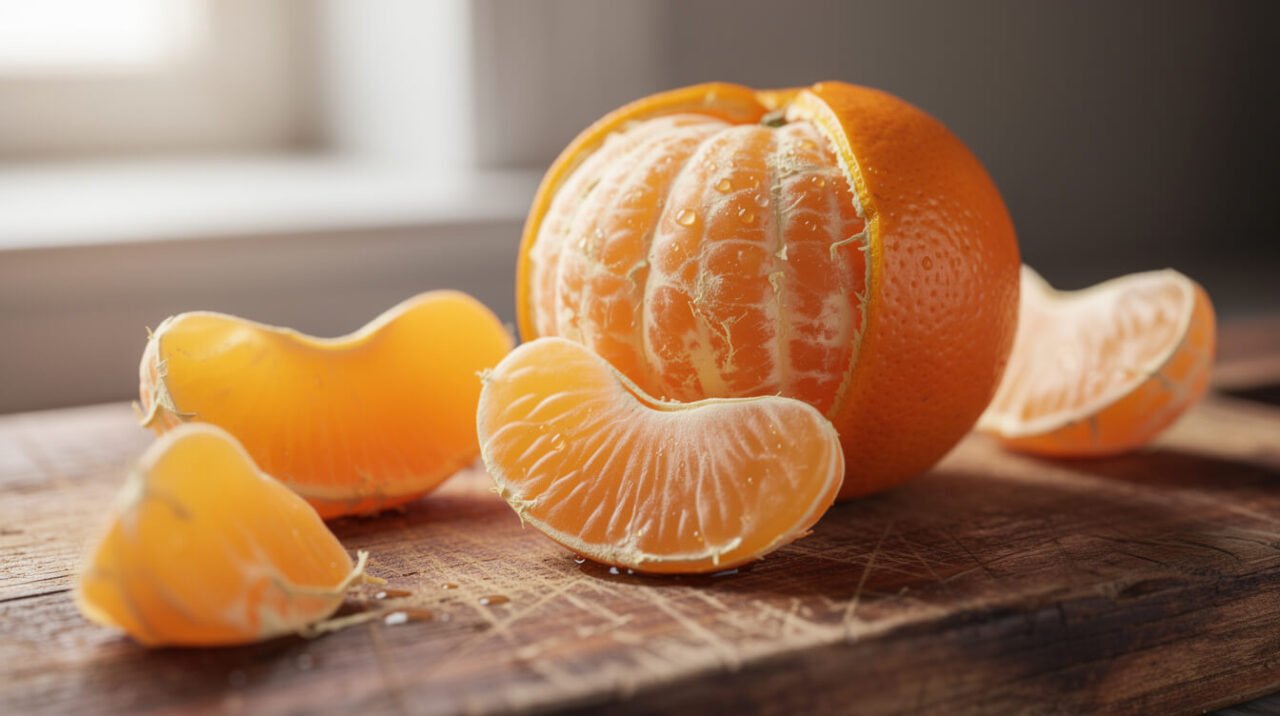
Oranges bring vitamin C, fiber, potassium, and a handful of B vitamins to the table. In a human diet, that’s a genuinely useful nutritional profile. In a dog’s diet, it’s mostly redundant.
Dogs synthesize their own vitamin C — they don’t need to get it from food the way people do — and a quality commercial dog food is already formulated to cover fiber and potassium needs. That doesn’t mean an orange segment is bad; the fiber can be a mild, pleasant bonus, and plenty of dogs enjoy the citrus flavor and texture as an occasional novelty. It just means you shouldn’t reach for oranges thinking you’re doing something nutritionally important for your dog. Think of it the way you’d think of a cucumber slice or a plain rice cake: a low-stakes treat, not a supplement.
Where it can tip from “fine” to “not great” is volume and frequency. The same natural sugars and citric acid that make an orange taste bright can upset a dog’s stomach if they get too much, too often — especially dogs who already run sensitive.
One more honest note on the fiber angle: some owners offer a small piece of orange specifically to help with mild, occasional constipation, since the fiber and moisture can help things move along. That’s a reasonable use if your vet has already ruled out anything more serious — but persistent or recurring constipation is a “call the vet” issue, not a “manage it with fruit” issue. Don’t let a home remedy delay an actual diagnosis if the problem keeps coming back.
Why do some dogs love oranges and others won’t go near them?
Dogs experience taste differently than we do — they have far fewer taste buds than humans and are generally less driven by sweetness, which is part of why reactions to citrus are so split. Some dogs happily crunch through a segment; others recoil at the smell of citrus oil alone (which is also why citrus scents are sometimes used as a mild, humane deterrent to keep dogs away from furniture or garden beds). Neither reaction means anything is wrong — it’s just individual preference, the same as some dogs loving carrots and others ignoring them entirely.
Peels, seeds, and mold: the real risks
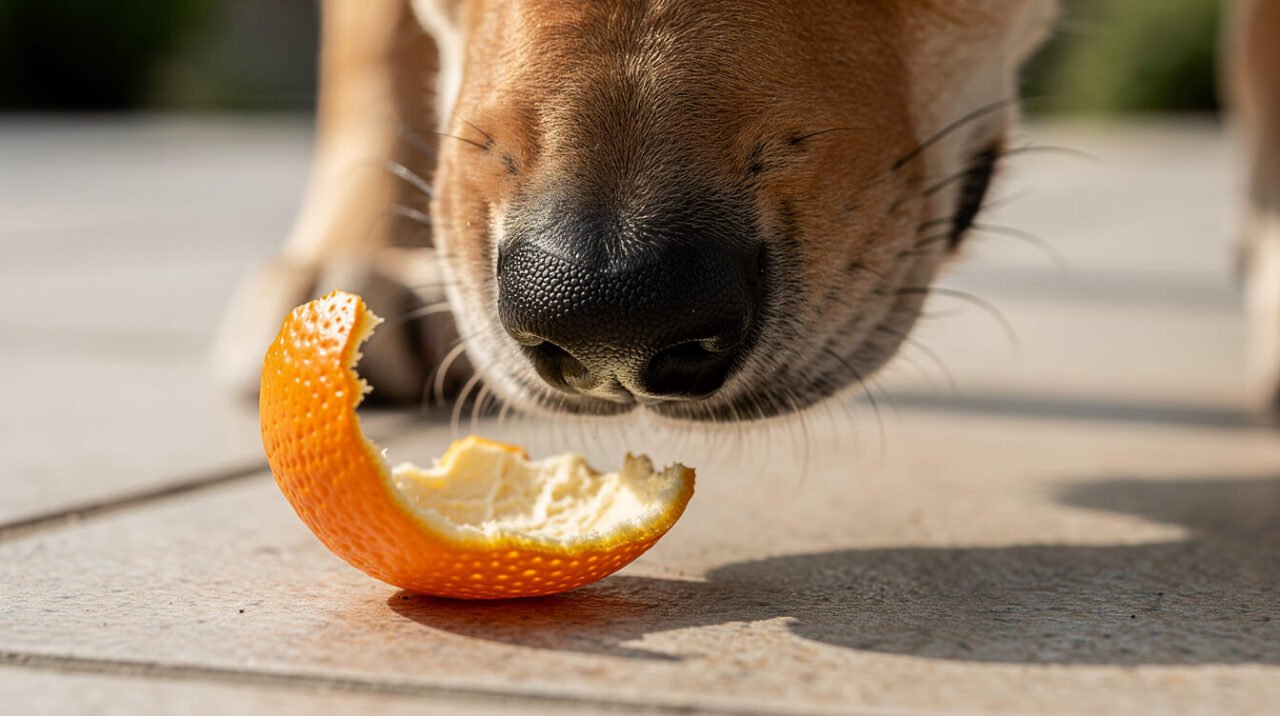
This is the section that actually matters, because most of the real risk with oranges isn’t the fruit — it’s everything around it.
Orange peel
Peel is tough, fibrous, and hard for a dog’s digestive system to break down. In small nibbles it’s usually not an emergency, but peel can be a choking hazard and, in larger amounts, has been linked to digestive blockages — a genuine emergency that needs a vet. Orange peel also contains natural oils that can cause stomach upset, drooling, or lethargy in some dogs if they eat enough of it. The safest approach is simple: always peel an orange fully before offering any to your dog, and keep peels out of reach in the trash, not just on the counter.
Seeds
Orange seeds aren’t a significant toxicity concern the way some fruit pits are, but they’re a choking and digestive-irritation risk, especially in small dogs. Remove them before you share.
Moldy or fallen fruit
If you have an orange tree, or citrus ever ends up forgotten in a fruit bowl, this is the one to take seriously. Moldy citrus can contain mycotoxins — toxins produced by certain molds — that are genuinely dangerous if ingested, potentially causing tremors or more serious neurological symptoms. Keep your yard clear of fallen fruit if you have citrus trees, and never offer your dog fruit that’s past its prime. If you know or suspect your dog ate moldy fruit of any kind, call your veterinarian or an animal poison control line right away rather than waiting to see what happens.
So, can my dog eat oranges every day? How much is safe

For a healthy adult dog with no digestive sensitivities, one or two small segments of peeled, seedless orange, offered occasionally rather than daily, is a reasonable ceiling. Smaller dogs should get less than larger dogs — a single small segment is plenty for a toy or small breed, while a large dog can typically handle a bit more without issue.
The first time you offer orange, start with a small piece and watch how your dog does over the next day. Some dogs love it; others are put off by the citrus scent and won’t touch it, which is a fine outcome too. If you see loose stool, vomiting, or obvious discomfort, that’s your dog telling you oranges aren’t for them — skip it going forward and don’t force the issue.
Dogs with a history of pancreatitis, diabetes, obesity, or a generally sensitive stomach are better off skipping oranges altogether. The sugar and acidity aren’t worth the risk for a treat that offers no real nutritional upside. If you’re not sure whether your dog’s health history makes citrus a bad idea, that’s a quick, easy question for your veterinarian at your next visit.
Serving it safely, step by step
If you’ve decided a bit of orange is going to be an occasional treat in your house, a few simple habits make it close to risk-free:
- Wash it first. Even though you’re removing the peel, rinsing the whole orange keeps any surface residue off your hands and cutting board.
- Peel it completely. Every bit of skin and as much of the white pith as is practical — the pith isn’t dangerous, but it’s bitter and tough, and most dogs don’t want it anyway.
- Remove every seed. Seedless varieties make this easier, but check regardless.
- Cut it small. A segment cut into two or three pieces is easier to chew and swallow safely, especially for small dogs and enthusiastic gulpers.
- Offer it plain. No sugar, no salt, no chocolate or yogurt dip — just the fruit.
- Start with one piece. Especially the first time, or with a puppy or senior dog, treat it as a trial rather than a full serving.
Skip anything canned, dried, or candied. Canned mandarin segments are typically packed in sugary syrup; dried citrus concentrates the sugar further; candied peel is sugar on top of the peel risks already covered above. Fresh and plain is the whole strategy.
The weekly care guide
Get it right for your animal, every week
One email a week: new care guides, species deep-dives, and the safety answers keepers search for, written by our specialists. No spam. Unsubscribe anytime.
Orange juice, marmalade, and other citrus products to watch for
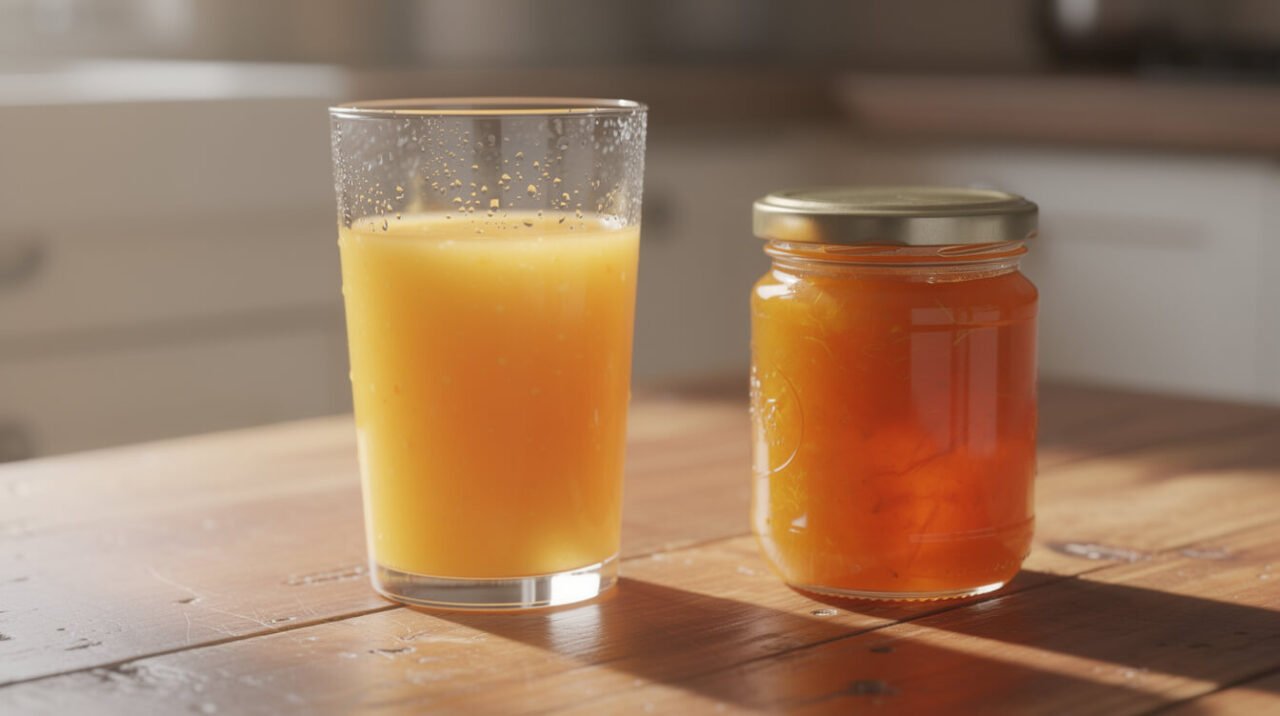
Skip these. Whole fresh fruit and processed orange products are not the same thing, and this is a place where the doctrine of “a little of the real food is fine” doesn’t carry over.
Orange juice concentrates the sugar and acid from several oranges into one serving, without any of the fiber that slows digestion down. It’s a fast track to an upset stomach and offers your dog nothing worthwhile. Don’t pour a splash in the water bowl as a “treat” — plain water is what your dog’s digestive system is built for.
Marmalade, candied orange peel, and orange-flavored desserts are worse, not better — they add sugar, and often other ingredients dogs shouldn’t have at all. Always check labels on anything orange-flavored before it’s anywhere near your dog: some sugar-free products are sweetened with xylitol, which is genuinely toxic to dogs even in small amounts. If a product’s ingredient list mentions xylitol (sometimes listed as “birch sugar”), keep it away from your dog entirely and call your vet immediately if they get into it.
Orange essential oil or potpourri is a different hazard again — concentrated essential oils, including citrus ones, can cause skin irritation, drooling, and more serious symptoms if ingested or applied to a dog’s skin. These have no place in pet care; leave essential oils out of anything that touches your dog.
What about lemons, limes, and grapefruit?
Not quite the same story. Lemons and limes aren’t considered toxic in the way grapes are, but they’re far more acidic and bitter than oranges, and the peel and pith contain higher concentrations of the same compounds (essential oils and psoralens) that make citrus peel irritating. Most dogs won’t willingly eat much lemon or lime anyway — the sourness is usually enough of a deterrent on its own — but there’s no upside to offering it, and larger amounts can cause more pronounced stomach upset than an equivalent amount of orange would.
Grapefruit is the one to be more careful with. It’s highly acidic, and grapefruit is well known in human medicine for interacting with certain medications — a caution that can extend to dogs on some prescriptions too. If your dog is on any regular medication, it’s worth asking your veterinarian before offering grapefruit specifically, even though an occasional small taste of the flesh isn’t considered acutely toxic. Bottom line: oranges and clementines are the most forgiving citrus fruits to share in small amounts; lemons, limes, and grapefruit aren’t worth offering on purpose.
Puppies and dogs with health conditions

Puppies who are already eating solid food can have a tiny taste of orange, but their digestive systems are more easily upset than an adult dog’s, so “tiny” should mean tiny — a small piece, offered once, with a full day to see how they handle it before considering it again. If you’re still working out your puppy’s regular feeding routine, it’s worth holding off on any new treat, orange included, until that foundation is solid.
Senior dogs, dogs on a prescription or weight-management diet, and dogs with kidney disease, diabetes, or a history of gastrointestinal issues are all better off without citrus fruit as a treat. None of these conditions make oranges dangerous in the way grapes or xylitol are dangerous — but the added sugar and acid work against what you’re usually trying to manage in those dogs. When in doubt about a specific health condition, ask your vet before adding any new food, however small the amount.
Frequently asked questions

Are oranges toxic to dogs?
No. Orange flesh is not toxic to dogs. The peel, in large amounts, can cause digestive blockages, and moldy fruit carries a real mycotoxin risk — but the fruit itself, in small amounts, is safe for most healthy dogs.
My dog ate a whole orange, peel and all — should I worry?
Watch closely. A small dog who ate a whole orange including the peel is at higher risk of digestive upset or, less commonly, a blockage from the fibrous peel. Watch for vomiting, straining, lethargy, loss of appetite, or a swollen abdomen over the next 24–48 hours, and call your veterinarian promptly if you see any of those signs, or sooner if you’re simply worried.
Can dogs eat clementines, mandarins, or tangerines?
Yes, the same guidance applies to clementines, mandarins, and tangerines as to oranges: peeled, seedless segments in small amounts are fine occasionally; peels, juice, and large quantities are not.
Is orange peel poisonous to dogs?
Orange peel isn’t classified as toxic the way grapes or xylitol are, but it’s genuinely hard to digest, a choking hazard, and a blockage risk in quantity — treat it as something to keep away from your dog rather than a minor concern.
What fruits are actually toxic to dogs, if oranges aren’t?
Grapes and raisins are the big one — they’re toxic to dogs in any amount and can cause acute kidney failure, unlike oranges. If you want the full picture on another commonly-asked fruit, we’ve also covered whether avocado is safe for dogs in detail, since the two get confused for similarly “maybe risky” fruits and the honest answers are actually quite different.
Do dogs need vitamin C from food?
No. Unlike humans, dogs produce their own vitamin C internally and don’t rely on their diet for it. A vitamin-C boost isn’t a real reason to feed your dog oranges — any benefit is incidental, not essential.
Can dogs have orange zest in baked treats?
Small amounts of finely grated orange zest in a homemade dog treat recipe generally follow the same logic as the flesh — not toxic in small amounts, but not necessary either. Be more cautious with zest than with peeled fruit, since zest concentrates more of the peel’s essential oils. If you’re baking for your dog, plain, vet-approved dog treat recipes are a safer bet than adapting a human dessert recipe.

Wear the obsession
Bearded Dragon Crown Sunglasses King T-Shirt
Price range: $24.99 through $26.99
Shop this designFinal thoughts
Oranges land solidly in the “fine in moderation, not something to build a habit around” category — same neighborhood as watermelon and blueberries. Peeled, seedless, occasional, and small is the formula that keeps it a safe treat instead of a stomach-ache waiting to happen. Skip the juice, skip the peel, skip anything moldy, and you and your dog are both in good shape.
None of this needs to be complicated, and it’s a good sign that you’re asking the question before handing over the slice rather than after. That’s the whole difference between a caring pet owner and a lucky one.
If you’re building out a mental list of what’s safe to share from your kitchen, our guides on blackberries and avocado are good next reads — and if anything about your dog’s reaction to a new food ever worries you, your veterinarian is always the right call, not a search engine.
Before you go
Keep learning your animal
We publish a new guide every day. The best of them land in one short weekly email, so you never miss the one about your species.

Meet Jake Harrington, your go-to guru for all things canine. With over 15 years of professional dog training experience, Jake has transformed the lives of thousands of dogs and their owners. His journey began in the bustling streets of a major city, where he discovered his natural affinity for understanding canine behaviors and communication.